Powder Processing Equipment and Its Role in Industrial Environmental Protection
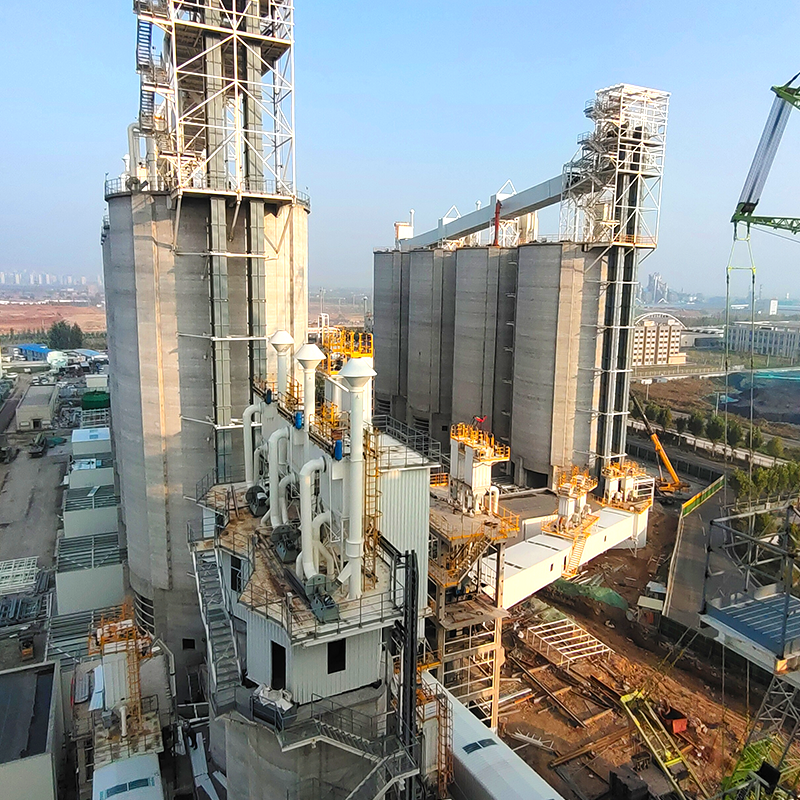
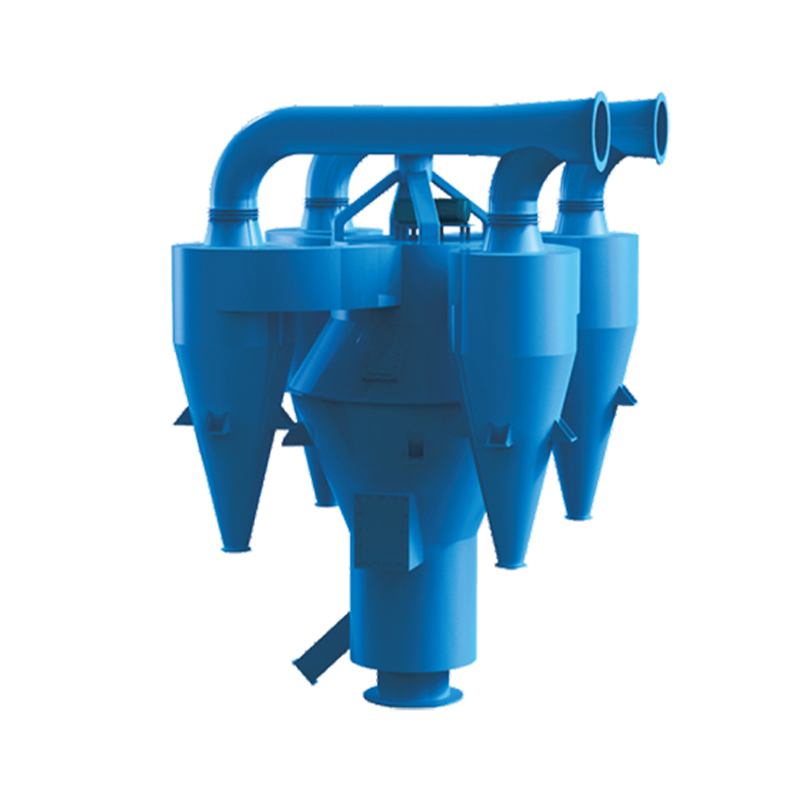
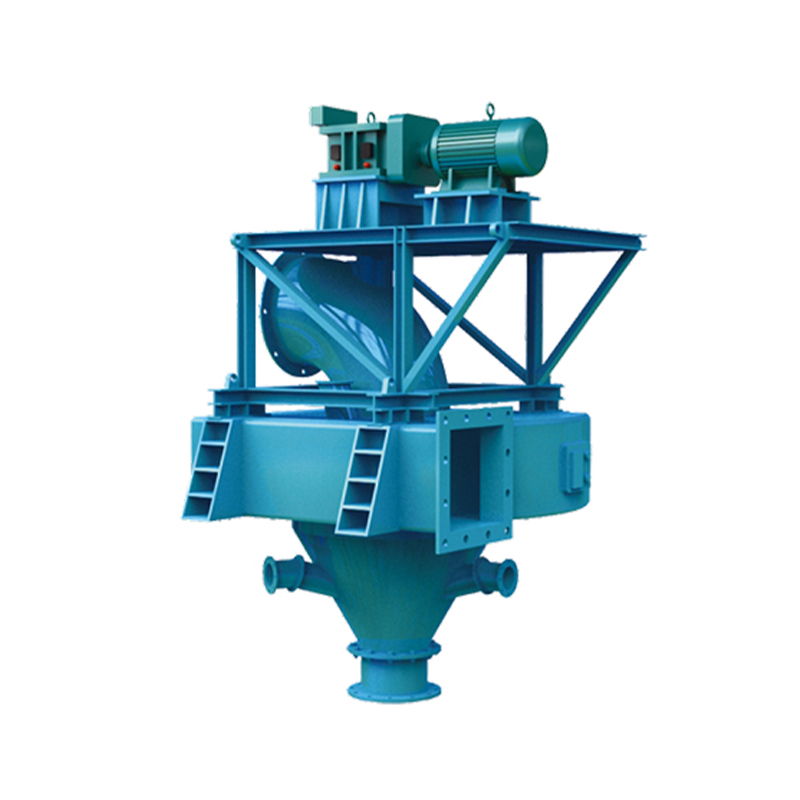
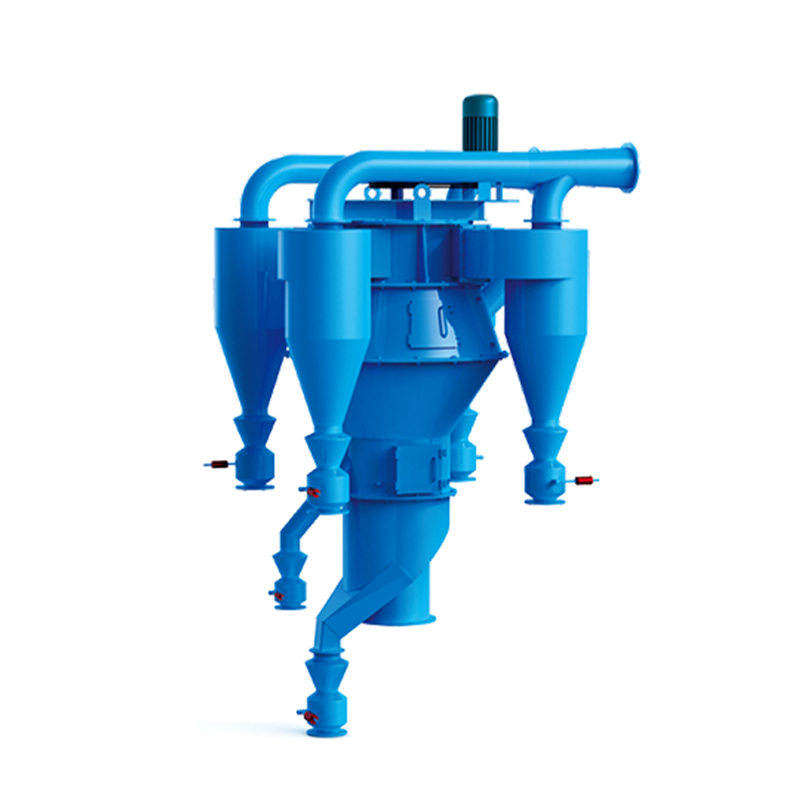
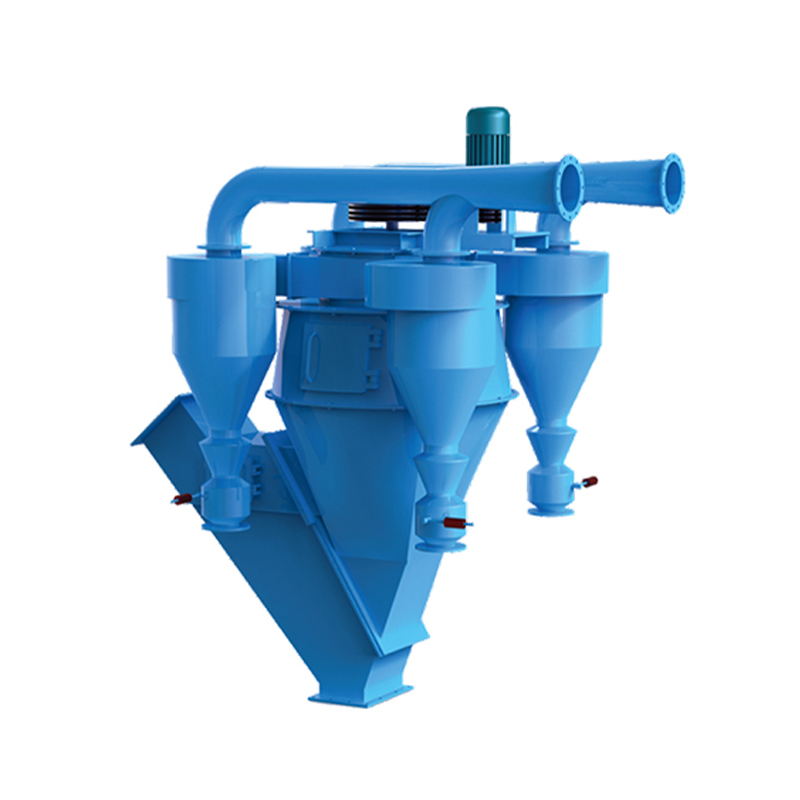
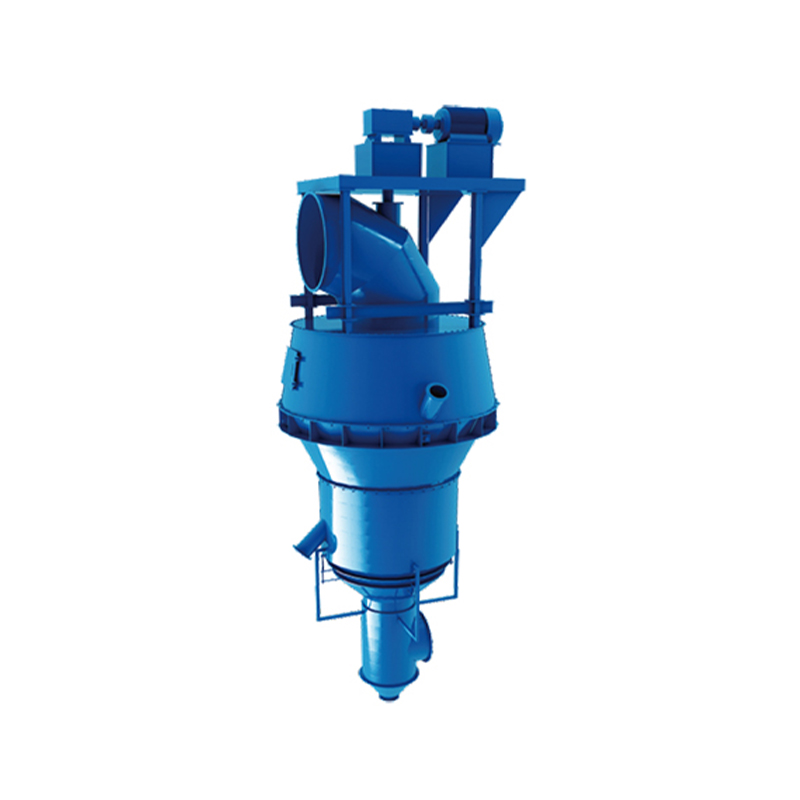
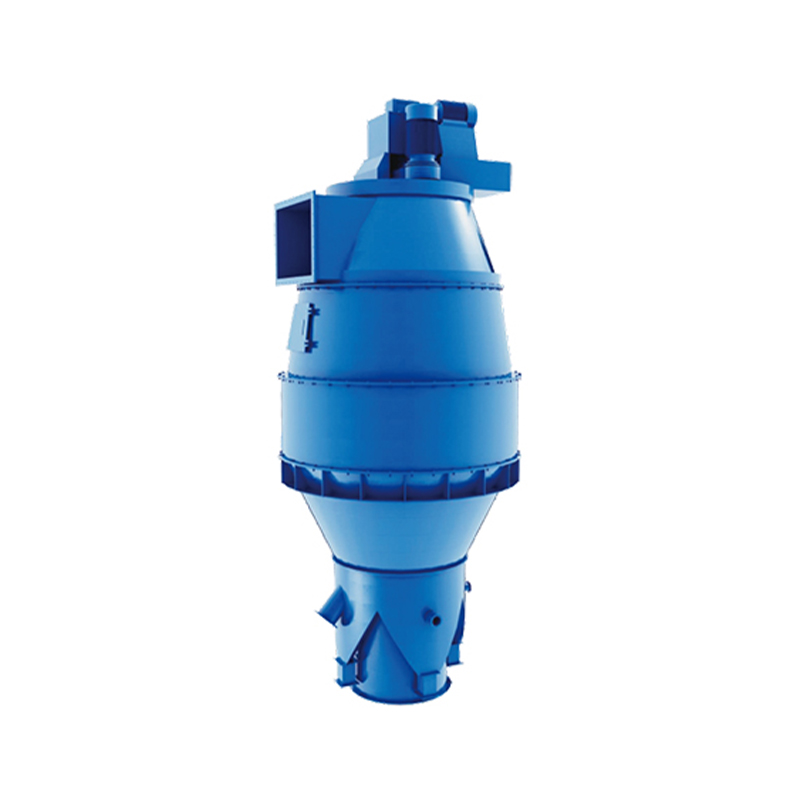
Modern manufacturing in power generation, chemical engineering, cement and iron & steel relies heavily on efficient Powder Processing Equipment, including grinding mills, powder-separating systems and classification units. As emission regulations tighten worldwide, this equipment is increasingly paired with Industrial Environmental Protection Equipment such as dust collectors, desulfurization systems and waste-heat recovery units, forming an integrated production line that reduces particulate release while improving material yield.
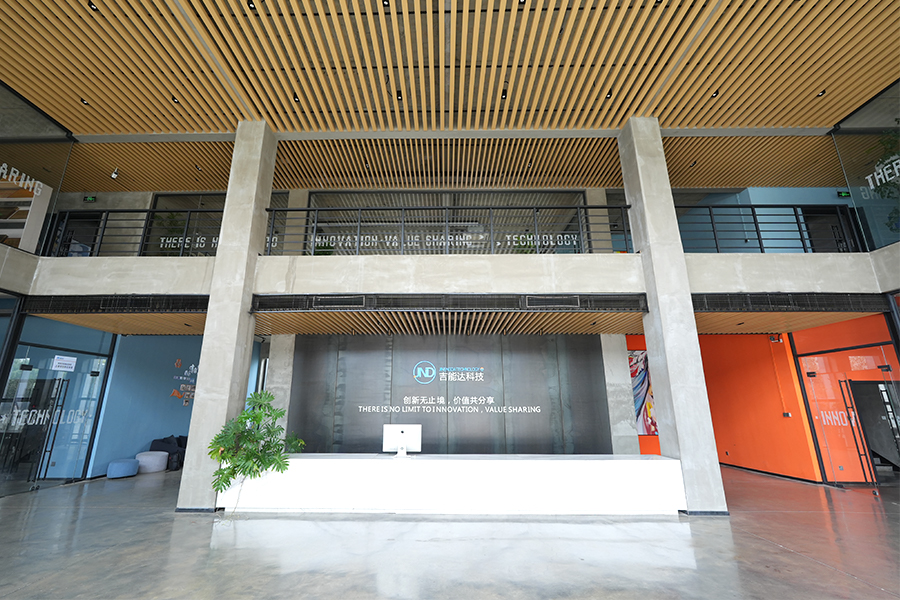
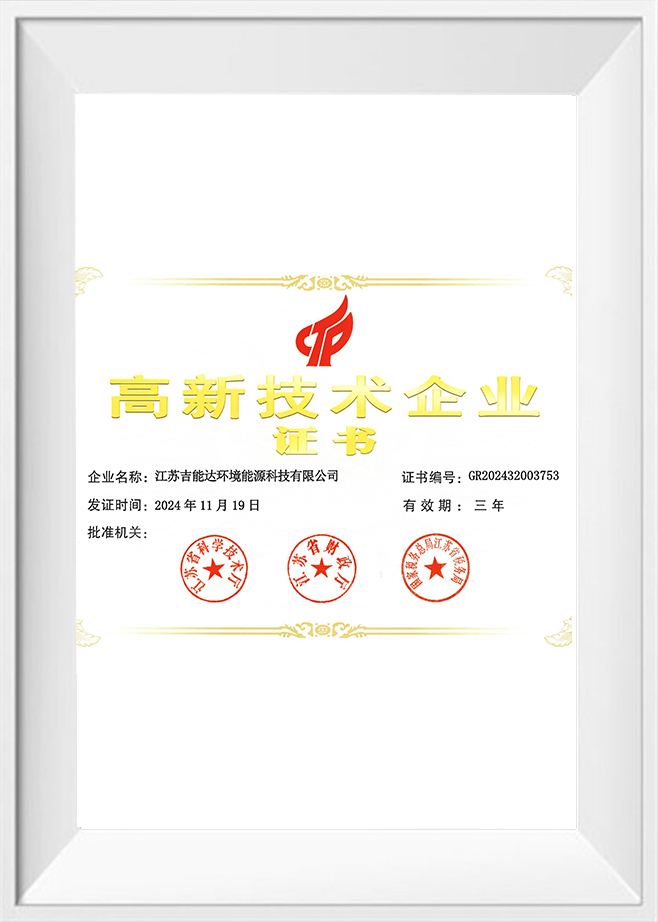
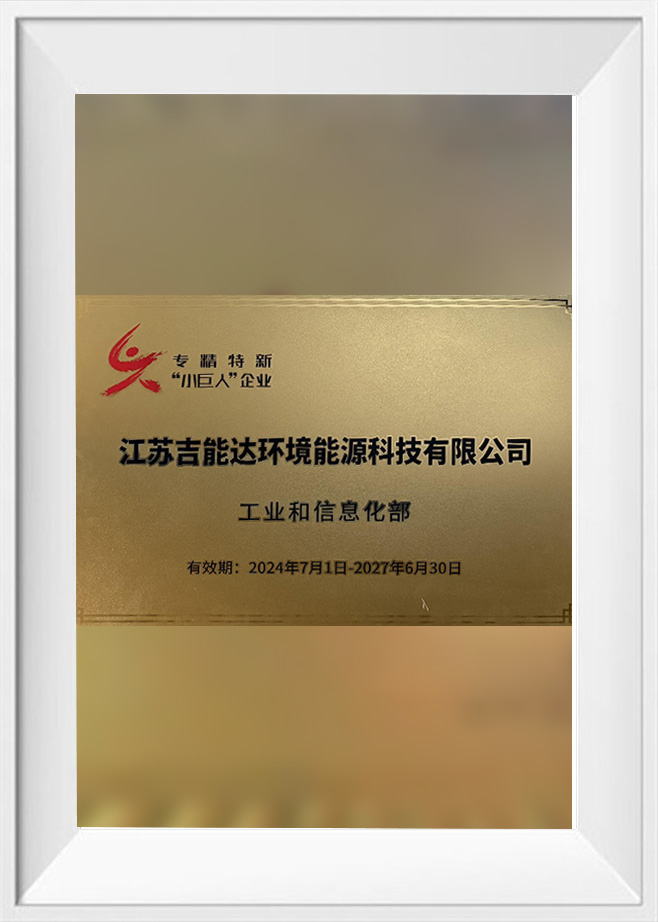
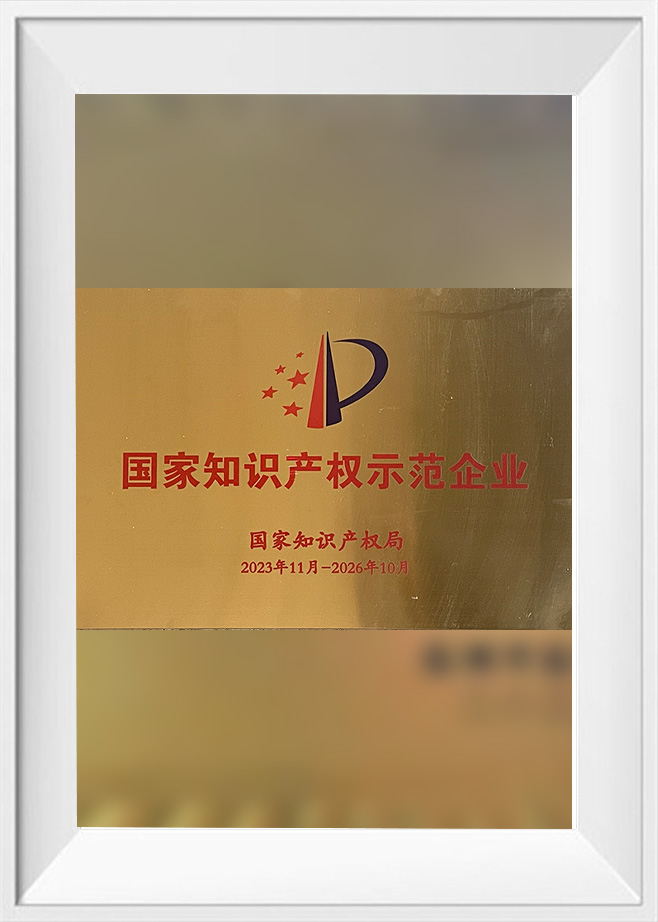
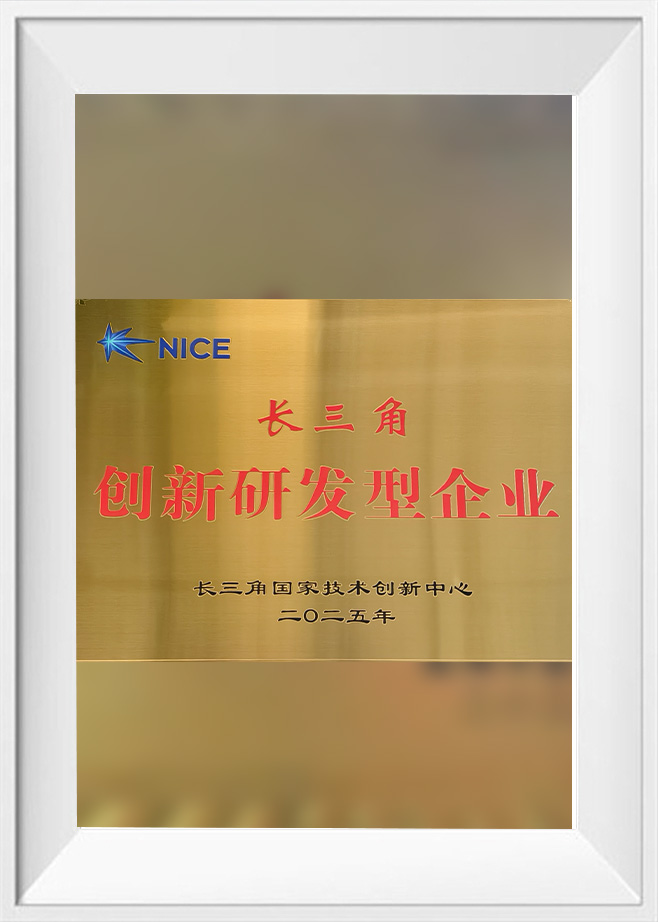
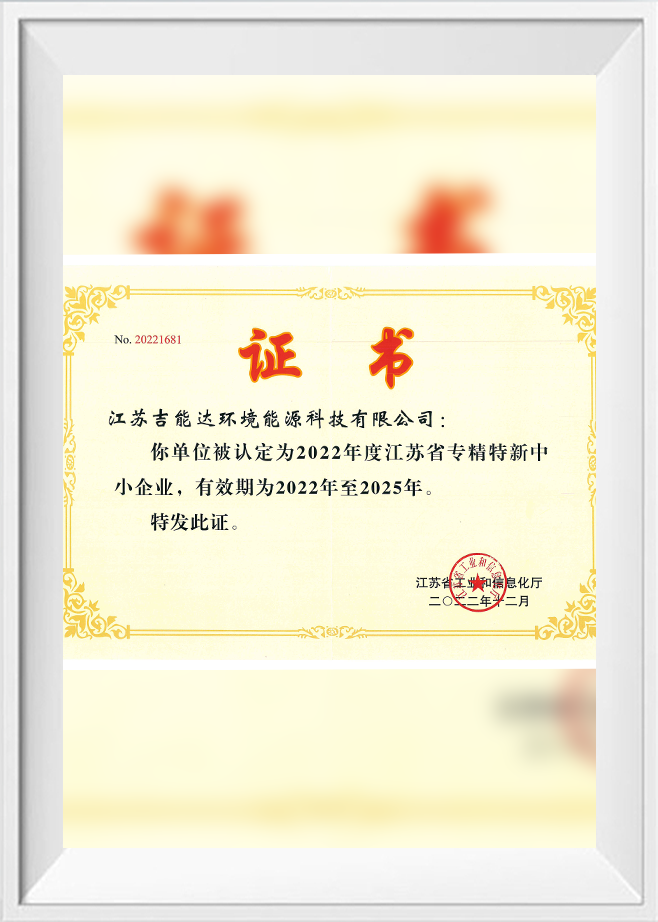
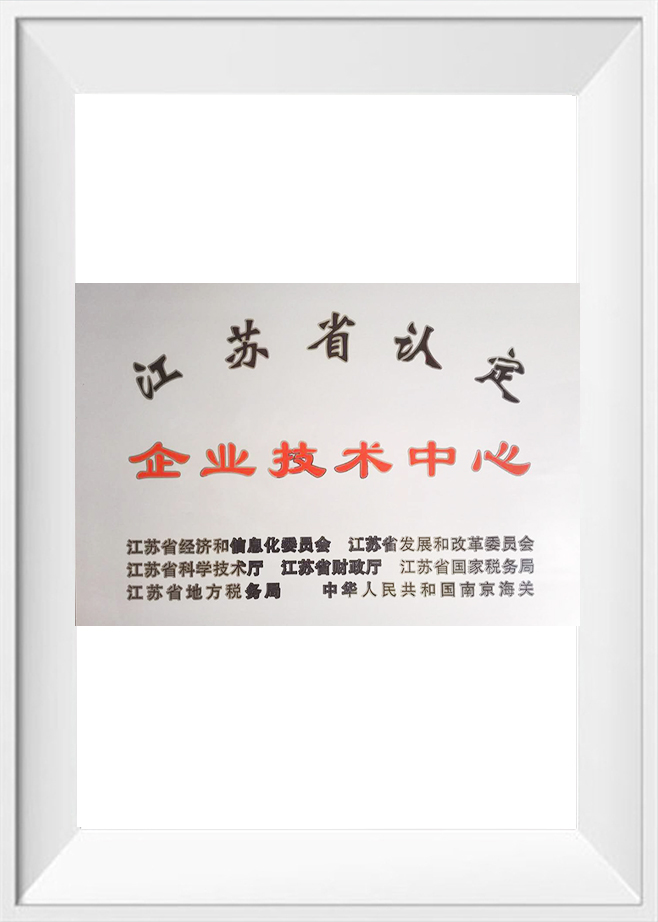
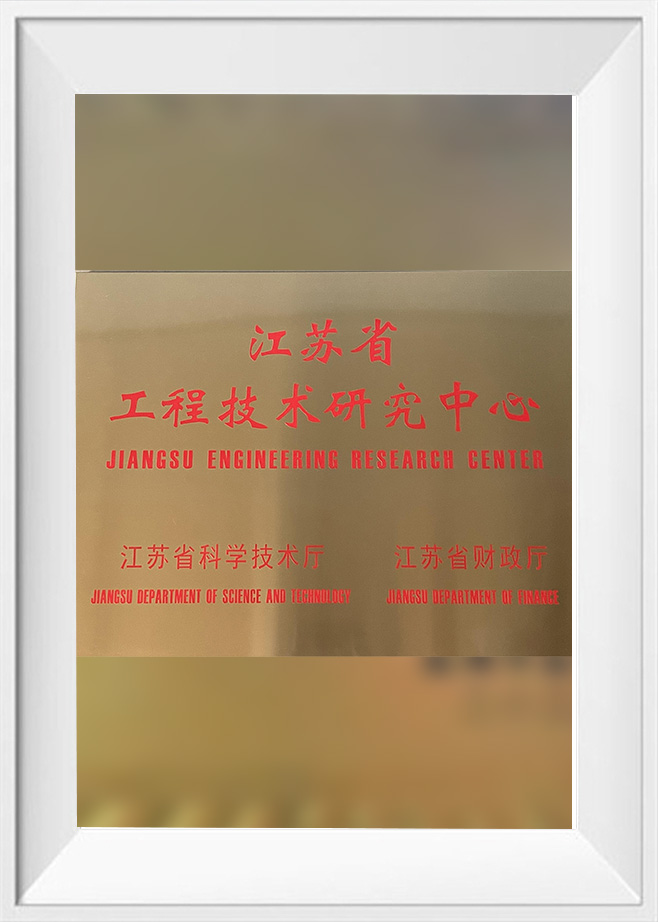
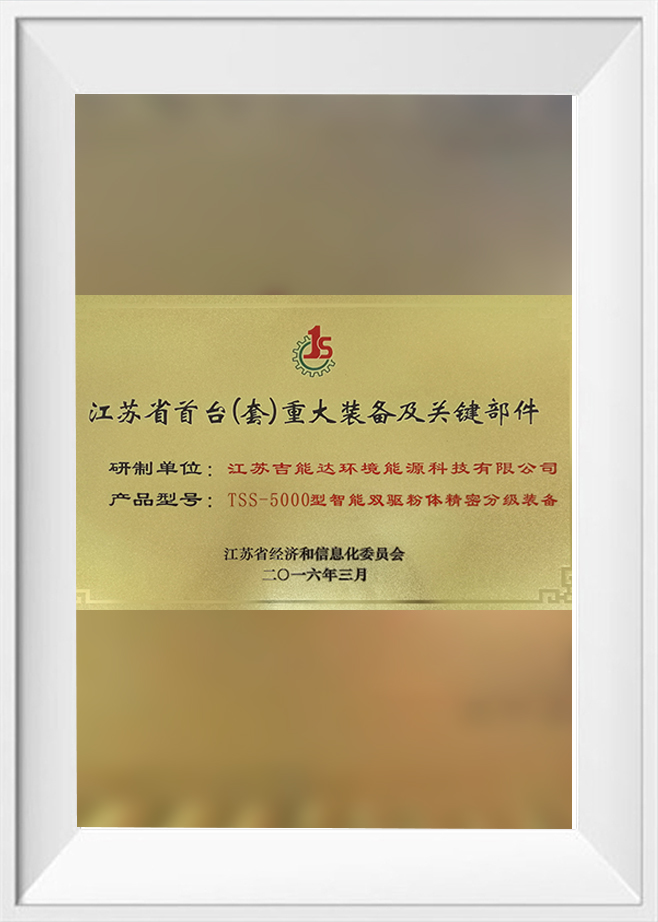
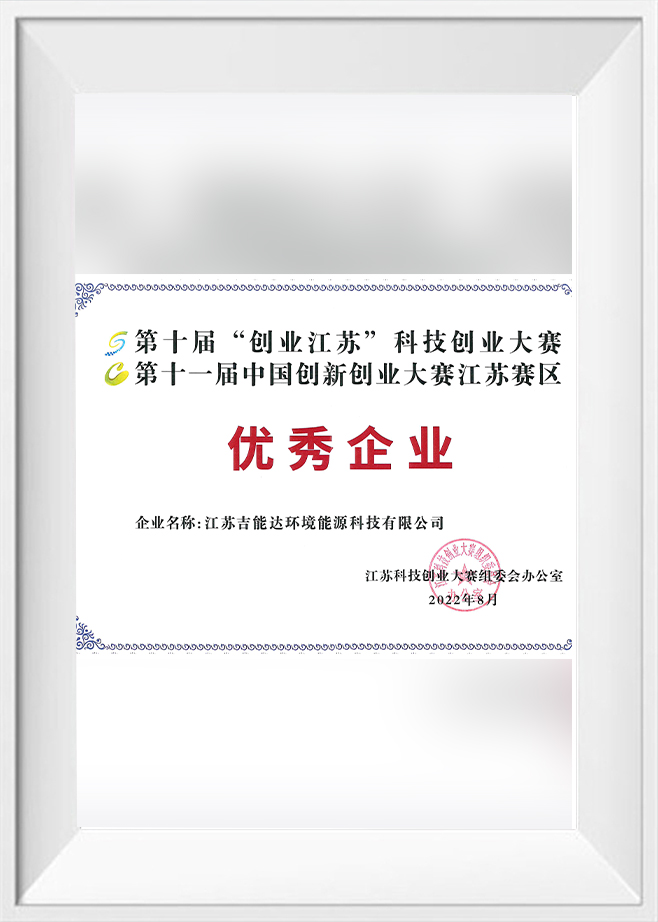
Jiangsu JND Environmental & Energy Technology Co., Ltd., founded in 2002 and based in the Yancheng National High-Tech Industrial Development Zone, is a national high-tech enterprise focused on integrating environmental protection technology R&D, equipment manufacturing and engineering contracting. The company has built long-term research partnerships with universities such as Southeast University and Tongji University, and holds a leading position in the field of grinding and powder-separating technology, reflecting how deep technical cooperation drives progress across this sector.
How Powder Processing and Environmental Protection Systems Work
Core Processing Stages
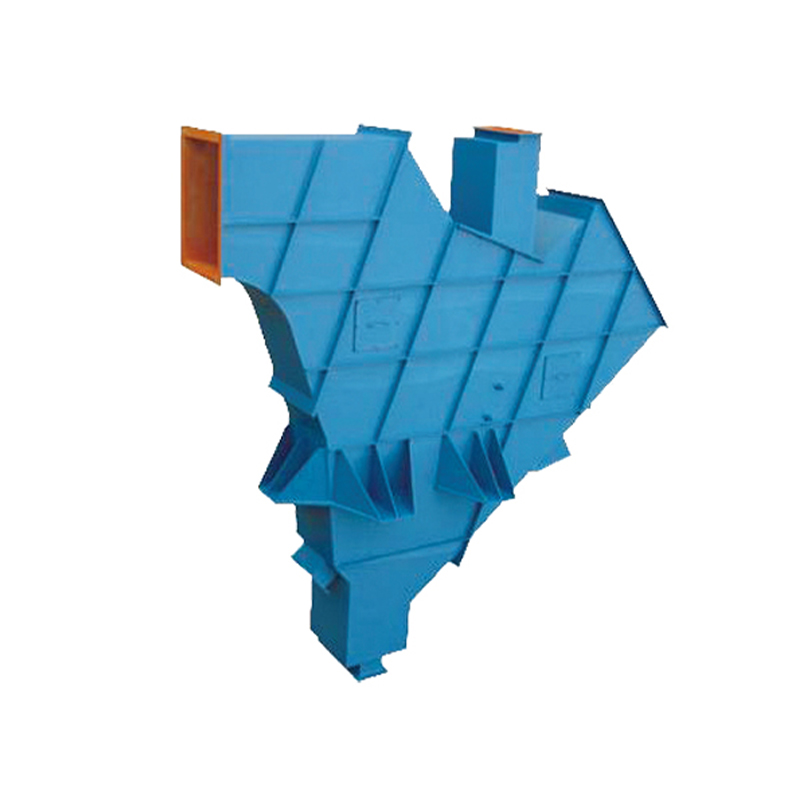
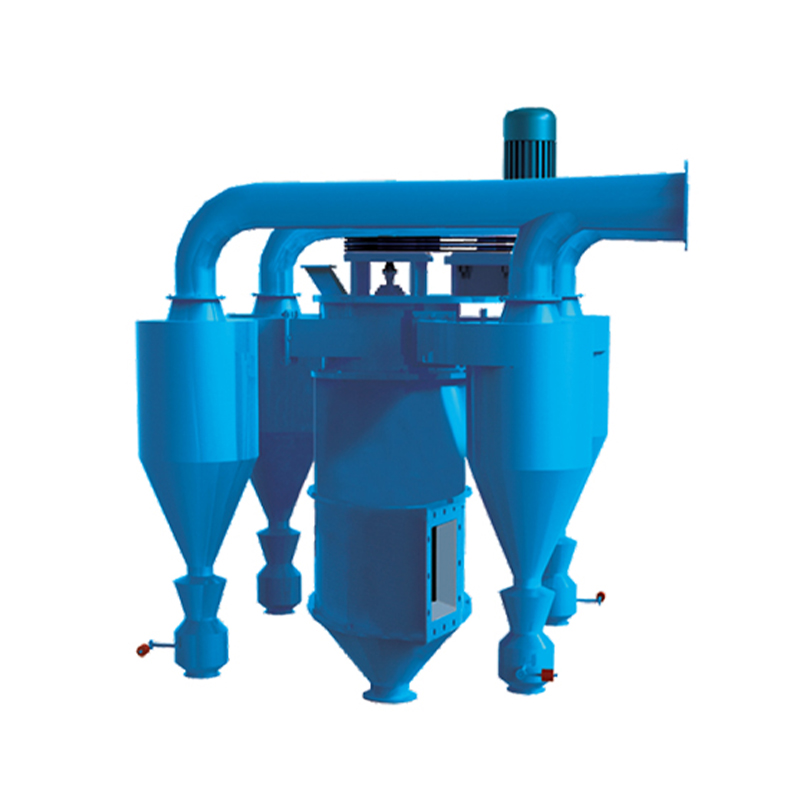
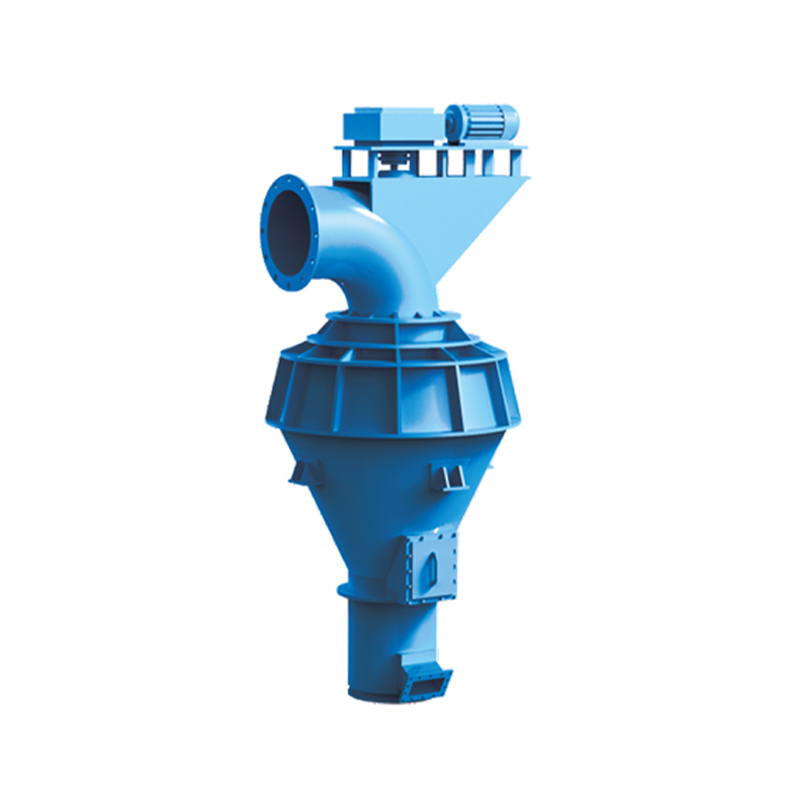
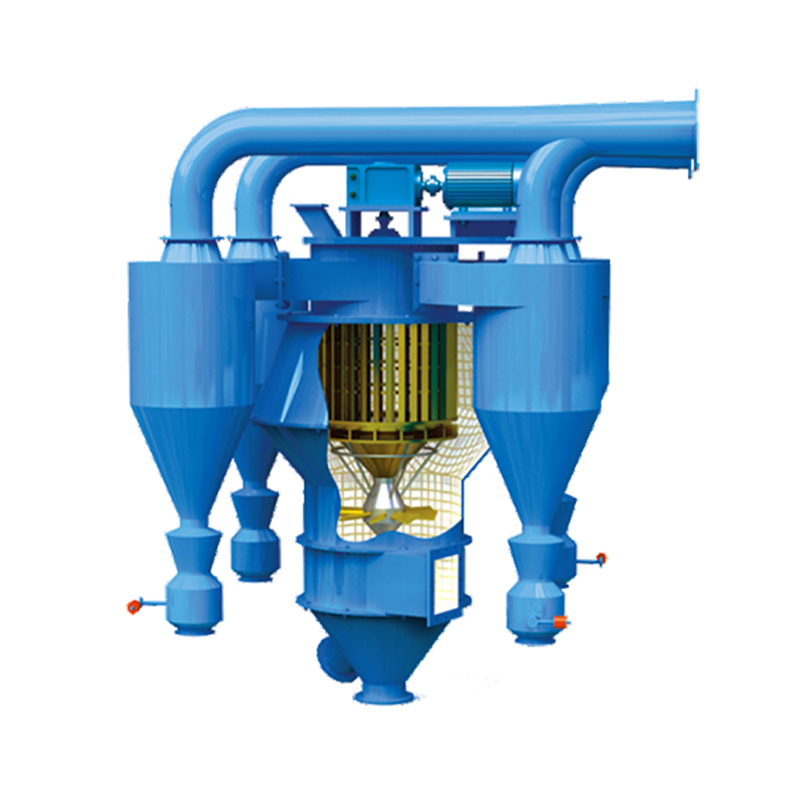
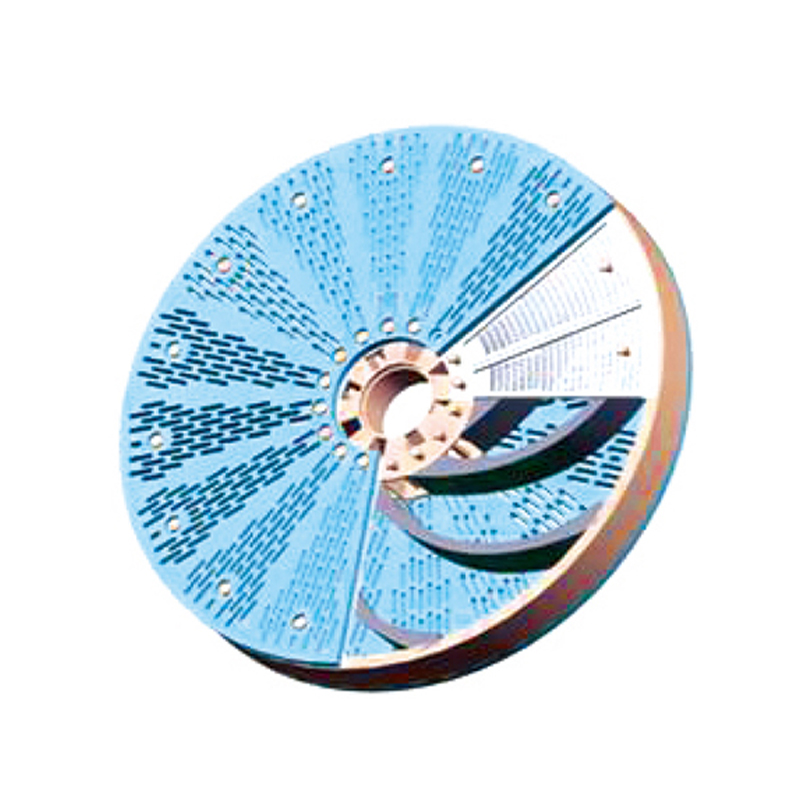
A typical powder processing line moves raw material through crushing, grinding and classification. Grinding reduces particle size through mechanical impact and friction, while a powder-separating classifier sorts particles by fineness, returning oversized material for regrinding. This closed-loop cycle keeps particle size distribution consistent, which is essential for downstream product quality.
Integration with Emission Control
Because grinding generates fine airborne dust, Industrial Environmental Protection Equipment is installed directly downstream. Bag filters and cyclone separators capture particulate matter before exhaust air is released, while collected dust is often recycled back into the process rather than treated as waste. This closed-circuit design is one of the clearest examples of how equipment design and environmental compliance are engineered together, not added as an afterthought.
Advantages of Energy-saving and Eco-friendly Technologies
Applying Energy-saving and eco-friendly technologies to powder processing lines changes both operating cost and environmental impact. Variable-frequency drives adjust motor speed to actual load rather than running at fixed full power, waste-heat recovery reuses thermal energy from grinding and drying stages, and optimized airflow design lowers the fan power needed to move process gas. The comparison below outlines the practical differences between a conventional setup and one built around these principles.
Comparison of conventional and energy-saving powder processing approaches
| Parameter |
Conventional Approach |
Energy-saving & Eco-friendly Approach |
| Motor Operation |
Fixed speed, full load regardless of demand |
Variable-frequency control matched to load |
| Heat Utilization |
Process heat vented as waste |
Waste heat recovered for drying or preheating |
| Dust Handling |
Discharged after basic filtration |
Captured dust recycled into the production loop |
| Maintenance Pattern |
Reactive, after breakdown |
Condition-based, scheduled around wear data |
Together, these measures lower both energy draw and particulate emissions, giving plant operators a system that is easier to keep within regulatory limits while also reducing long-term operating expense.
Frequently Asked Questions
Q1: What industries most commonly use Powder Processing Equipment?
It is widely used in power generation, chemical engineering, cement production and iron & steel manufacturing, wherever raw materials must be ground to a controlled fineness.
Q2: Why pair grinding equipment with Industrial Environmental Protection Equipment?
Grinding naturally produces fine dust; without dedicated filtration and dust-capture equipment, plants cannot meet air quality standards or recover valuable material that would otherwise be lost as waste.
Q3: Do energy-saving upgrades require replacing the entire production line?
Not necessarily. Variable-frequency drives, improved airflow ducting and waste-heat recovery modules can often be retrofitted onto existing equipment.
Q4: How is equipment reliability maintained over long-term operation?
Condition-based maintenance, guided by wear monitoring on grinding components and filter elements, helps prevent unplanned downtime and extends service life.
Looking Ahead: Where Green Powder Processing Is Heading
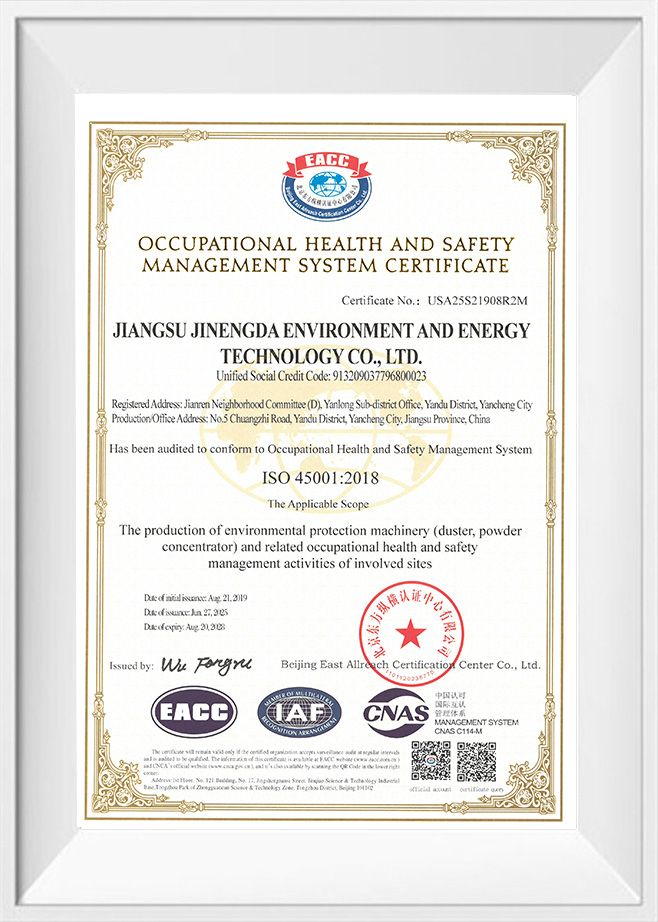
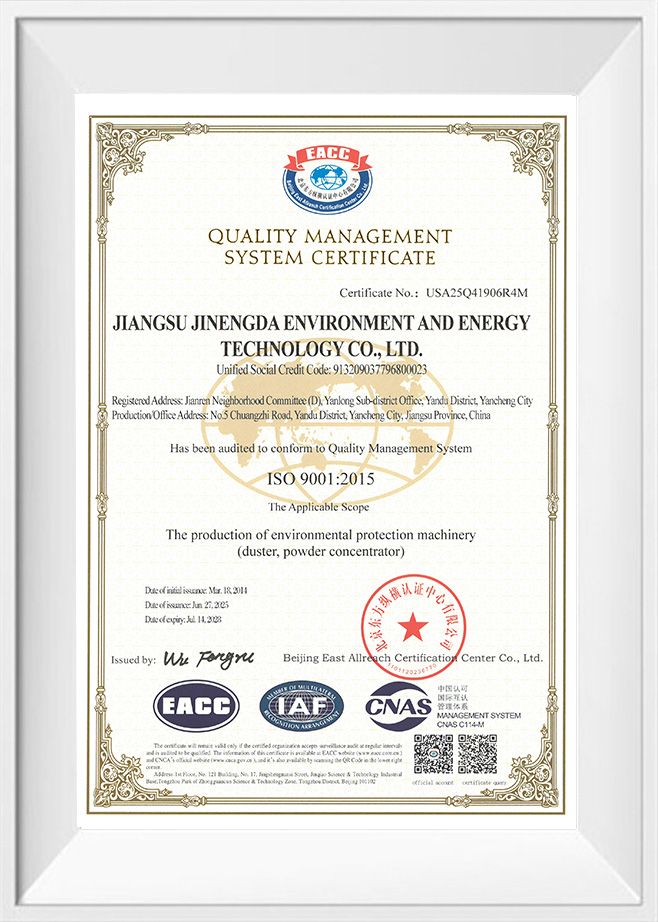
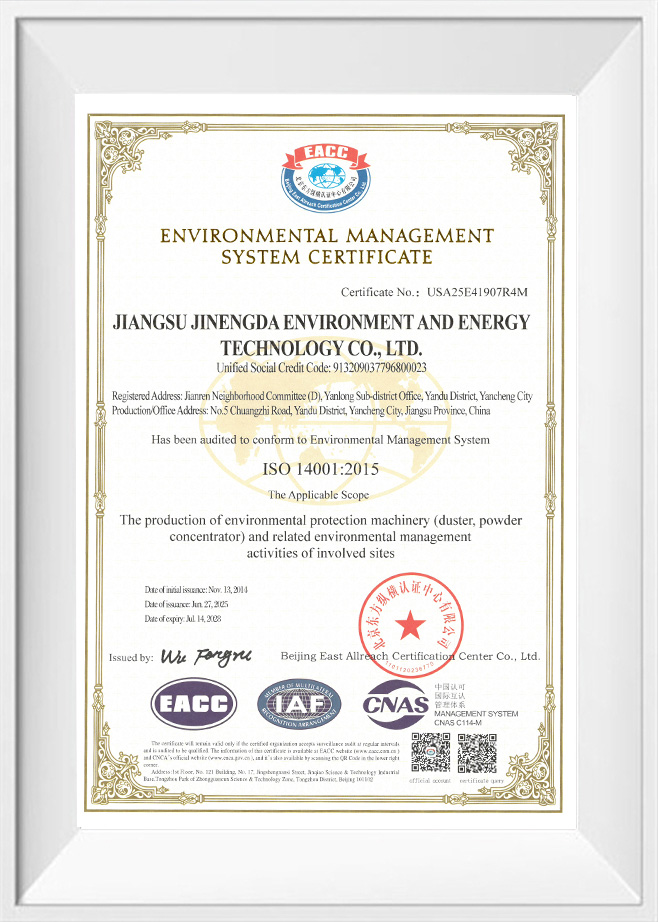
The next stage of development combines digital monitoring with the mechanical and environmental improvements described above. Sensors tracking vibration, temperature and airflow allow operators to fine-tune grinding parameters in real time, further reducing energy waste. Companies that treat R&D, manufacturing and engineering contracting as one connected system are best placed to keep advancing in this direction. As stated in its own mission, JND is committed to practicing the concept of environmental protection and creating ecological value in all its business activities, continuously optimizing its environmental management system rather than settling for minimum compliance. This mindset — pairing capable Powder Processing Equipment with robust Industrial Environmental Protection Equipment and steady investment in Energy-saving and eco-friendly technologies — is what allows heavy industry to keep growing without growing its environmental footprint.


 English
 中文简体
 русский
 Español
 عربى


 Email:ycjnd@163.com
 Telephone:+86-13770001111
 Phone:+86-515-88582588



