The Role of Industrial Dust Collectors in Clean Production
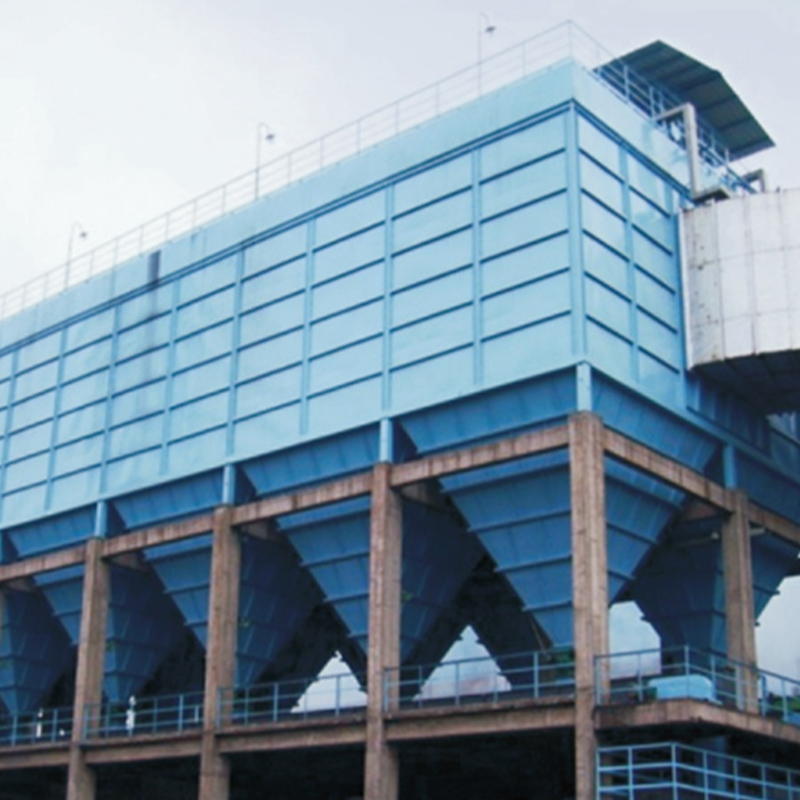
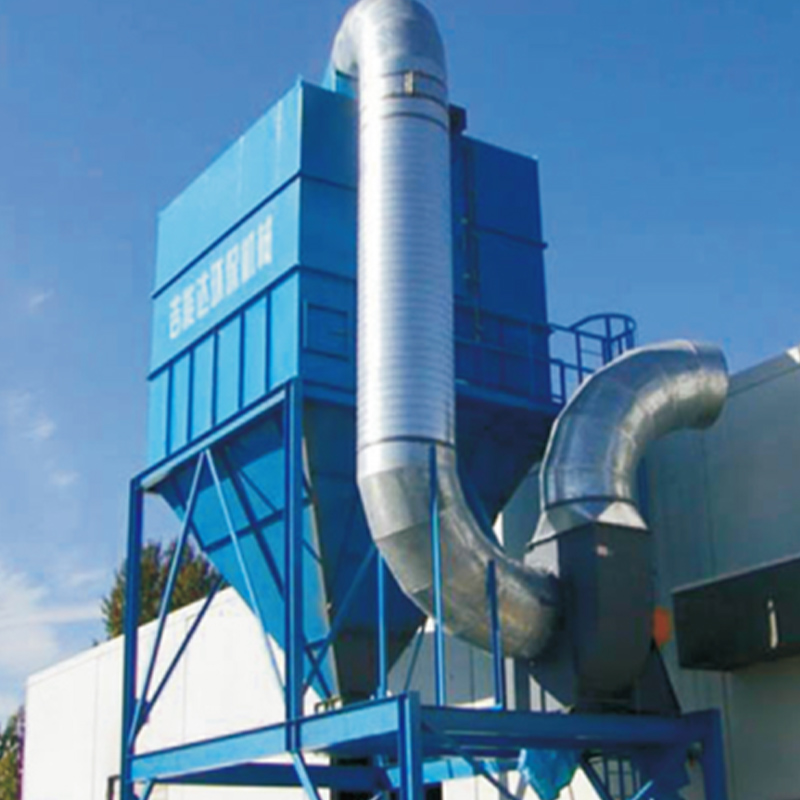
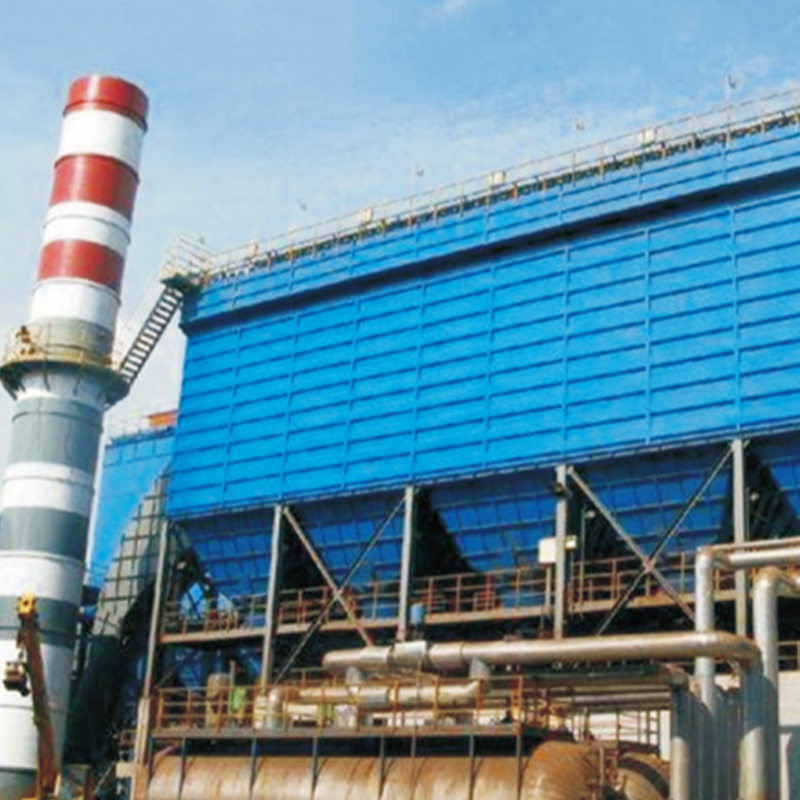
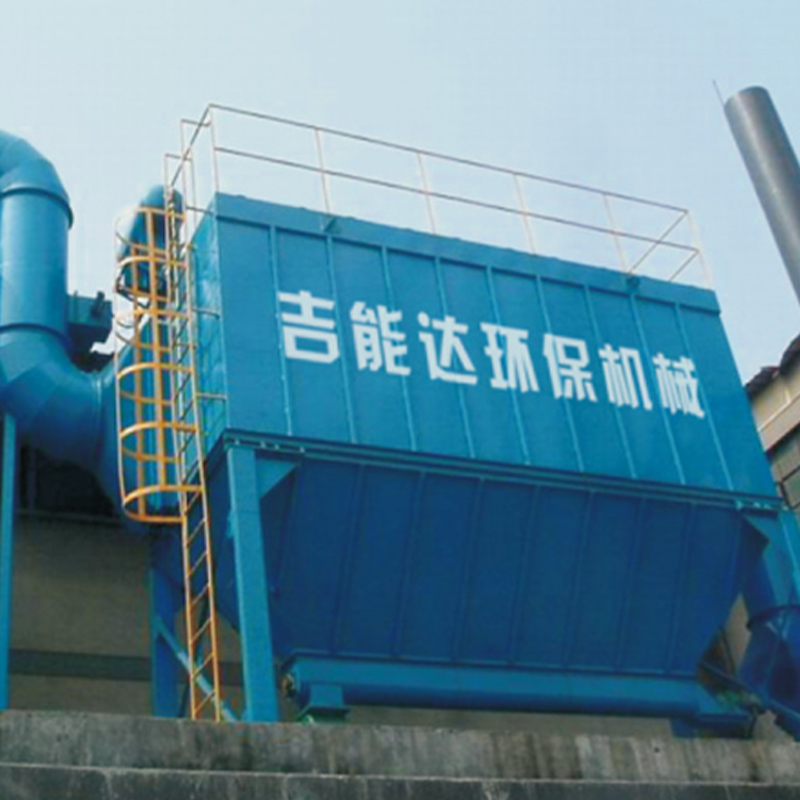
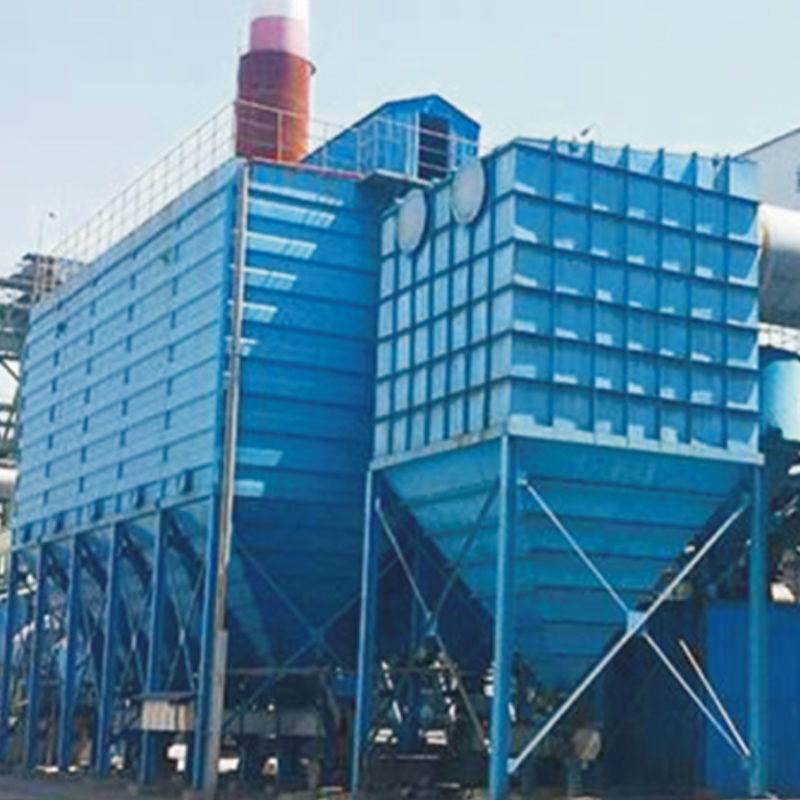
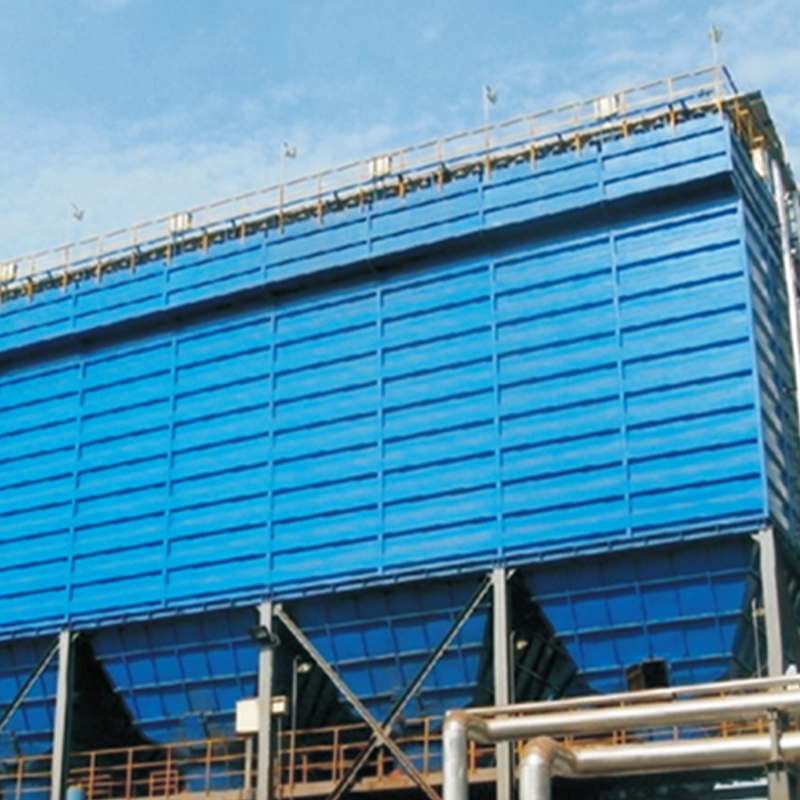
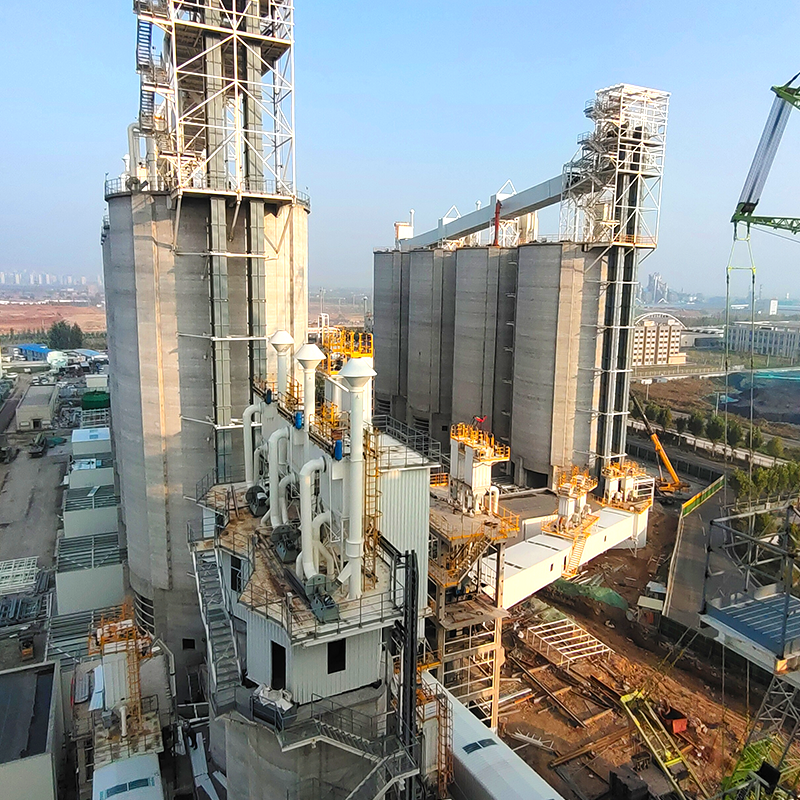
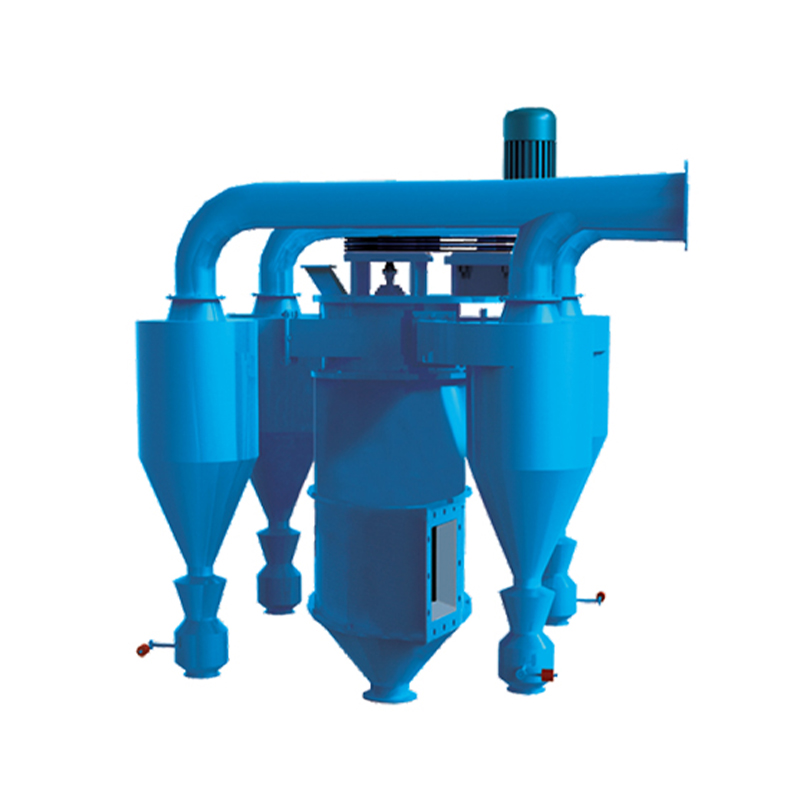
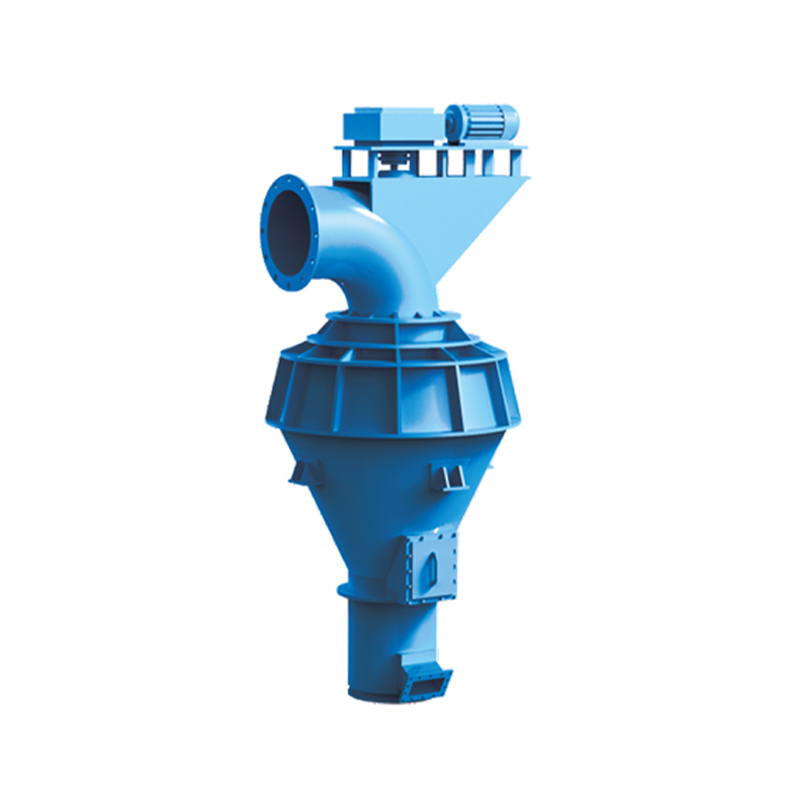
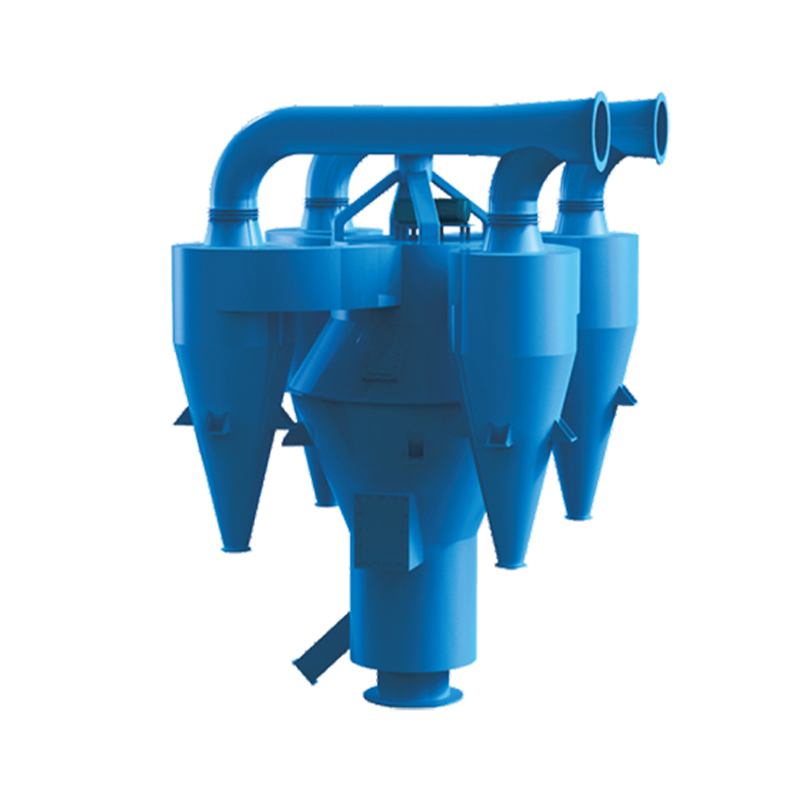
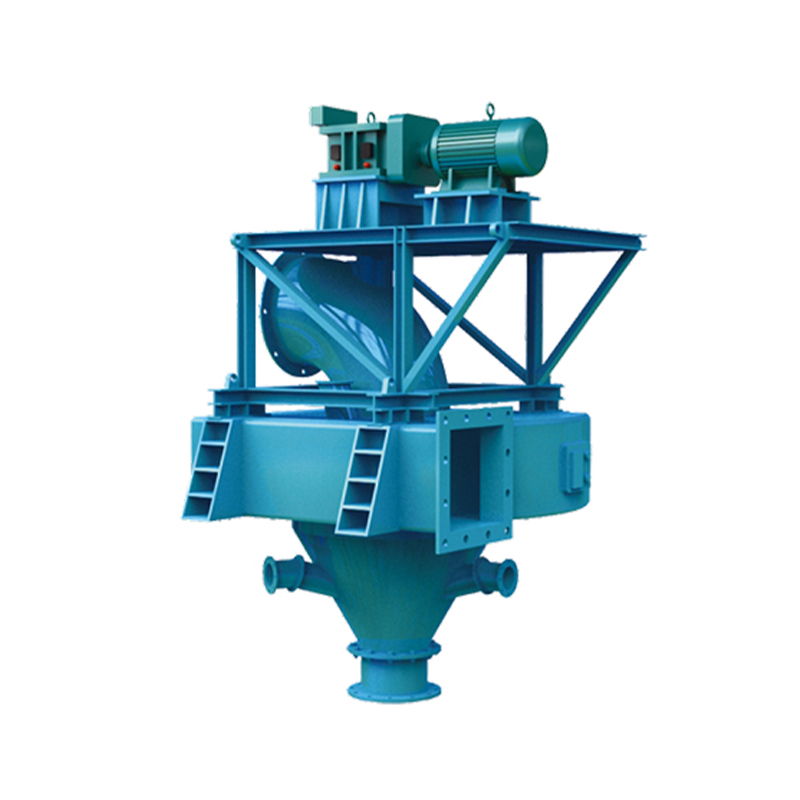
Grinding, drying and material handling processes in power generation, chemical engineering, cement and iron & steel plants all generate airborne particulate matter. An Industrial Dust Collector captures this dust before it reaches the atmosphere, protecting both worker health and equipment while helping plants stay within emission limits. As environmental standards continue to tighten, a reliable dust collector has shifted from an optional add-on to a core part of process design.
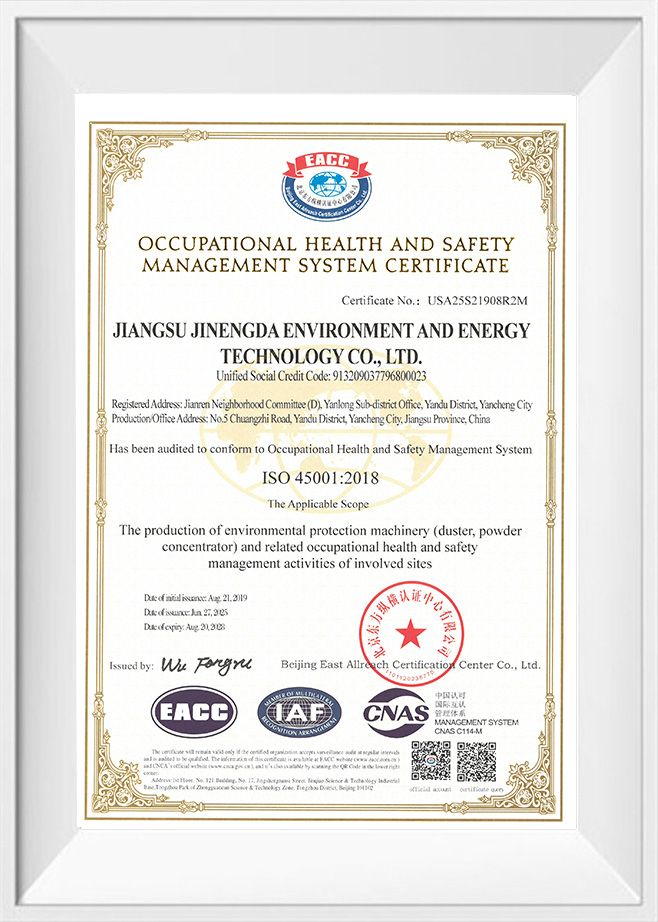
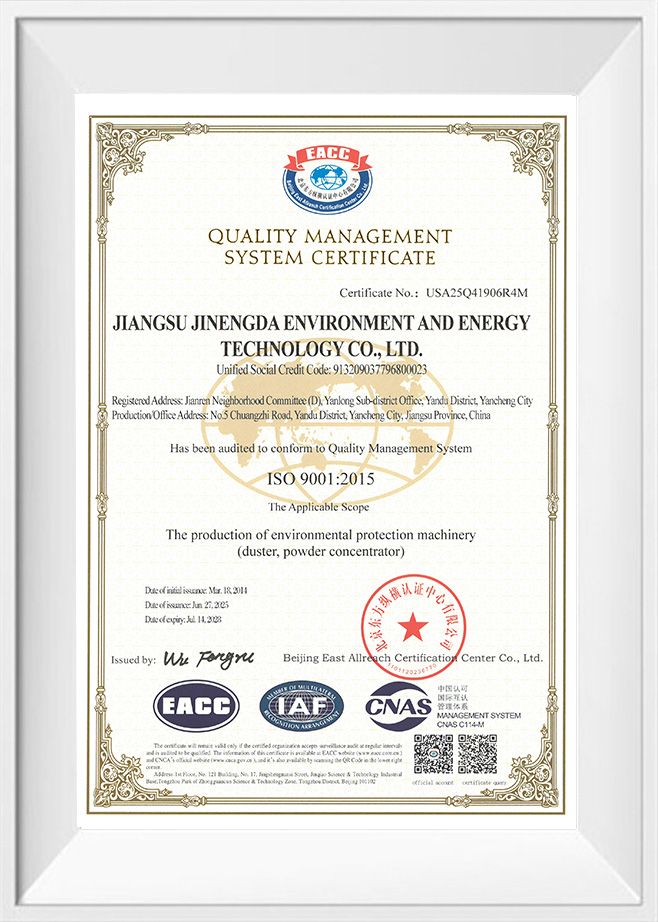
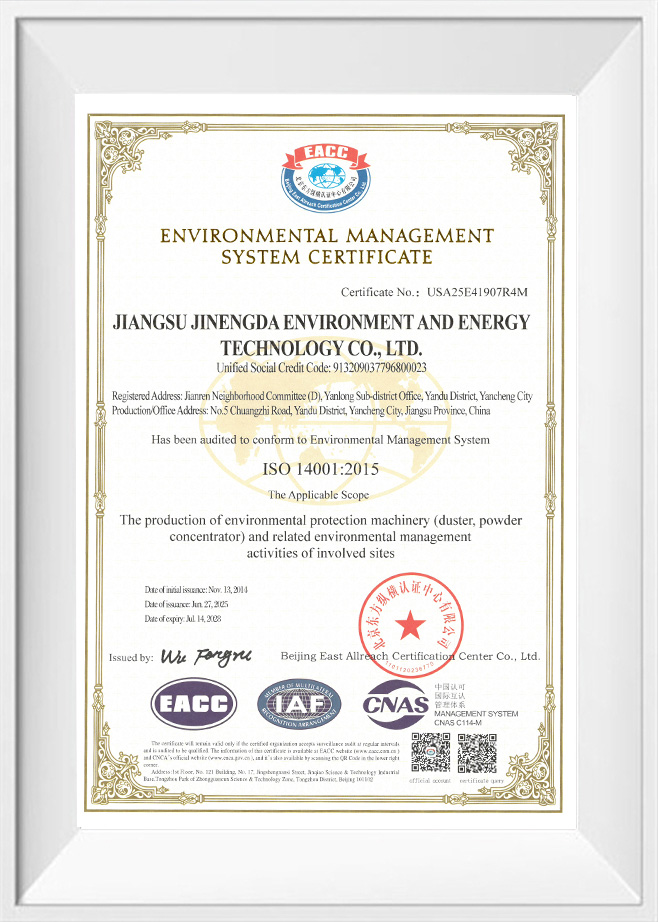
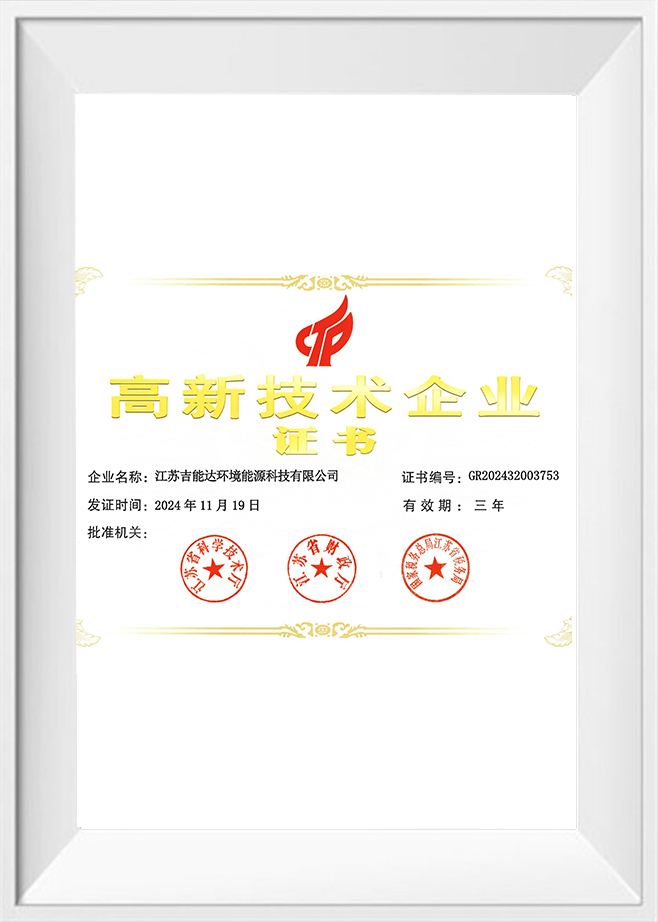
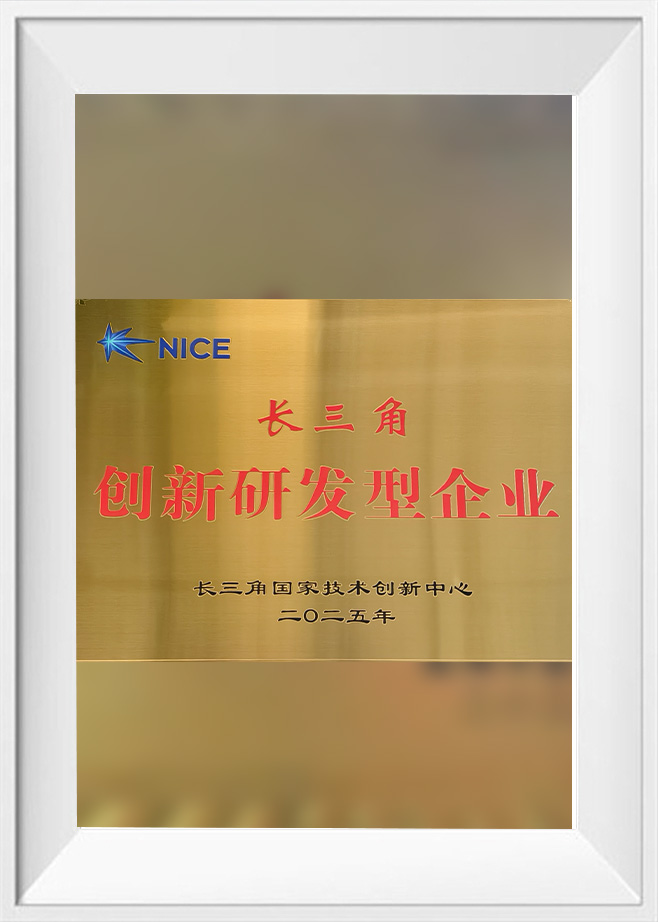
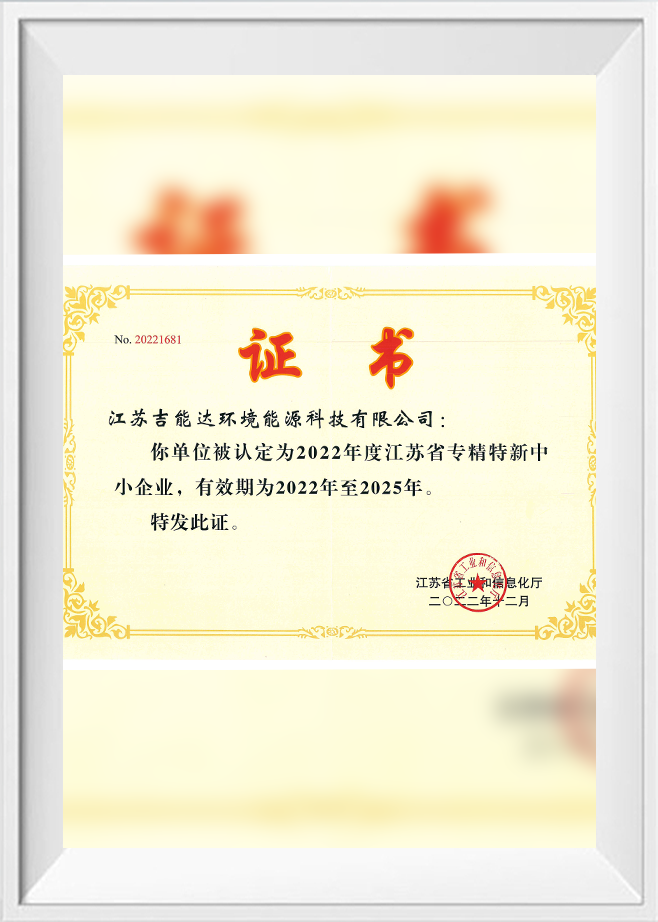
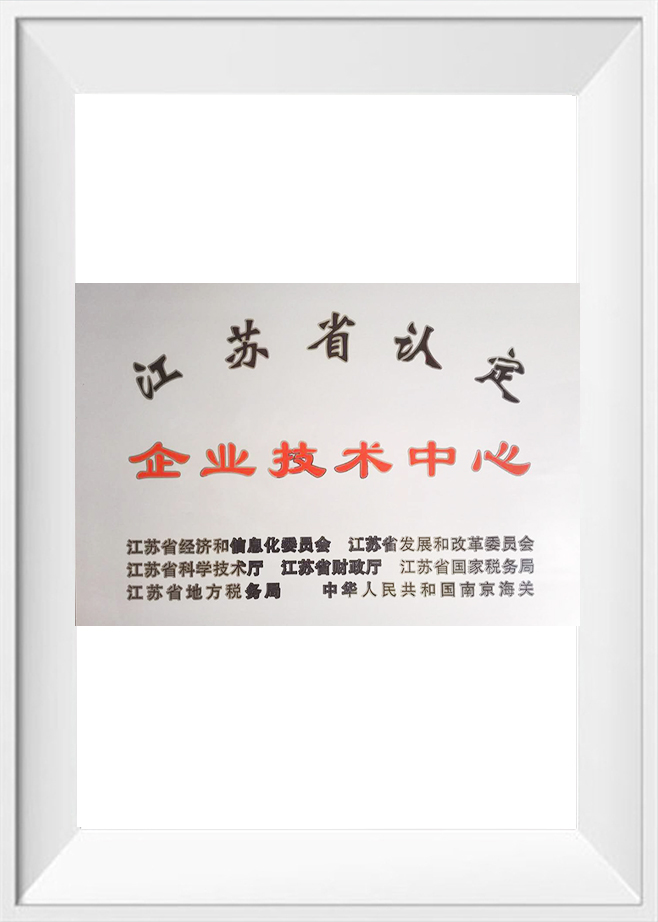
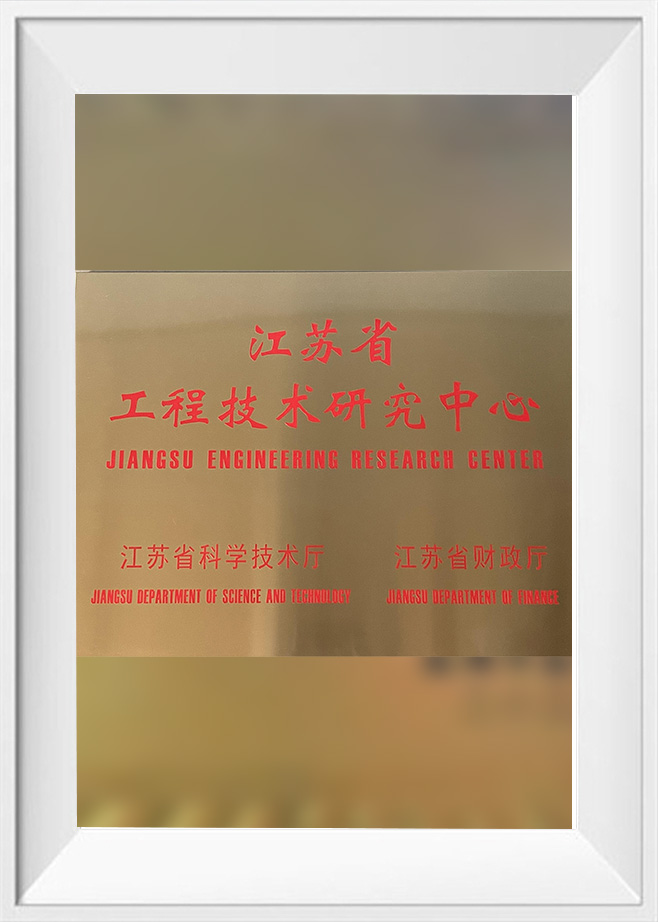
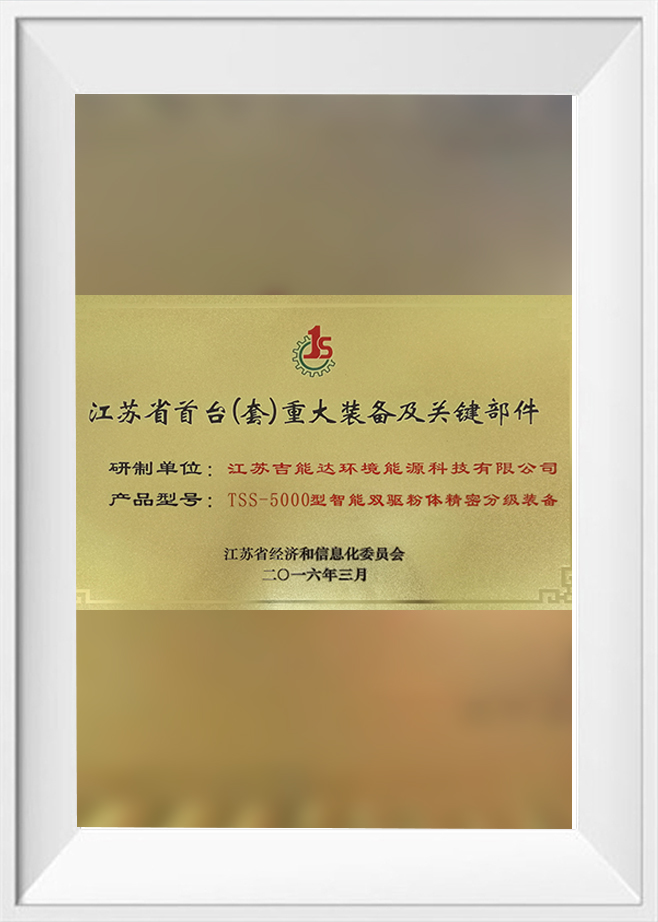
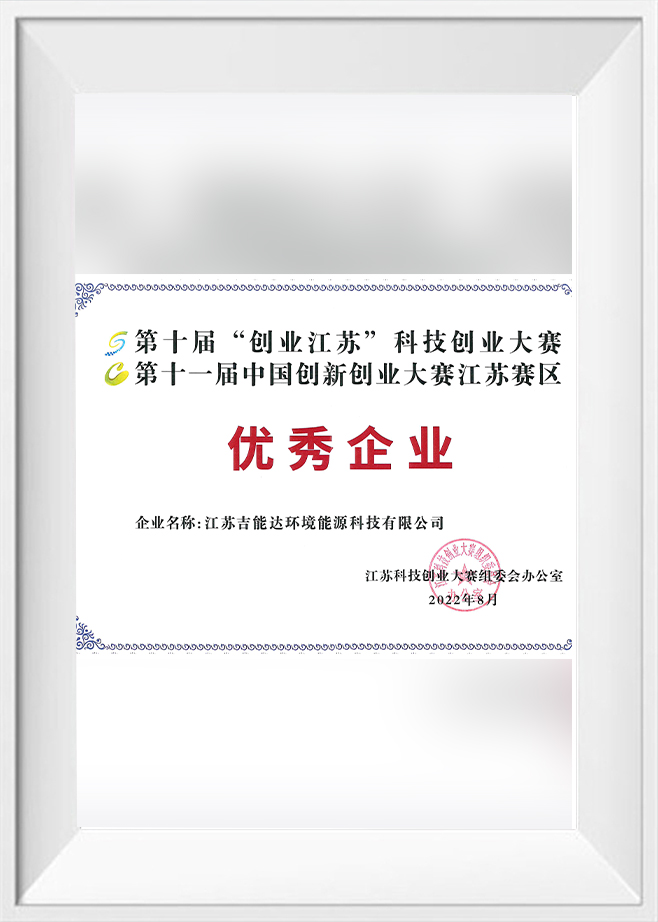
Jiangsu JND Environmental & Energy Technology Co., Ltd., founded in 2002 and based in the Yancheng National High-Tech Industrial Development Zone, is a national high-tech enterprise focused on integrating energy-saving and environmental protection technology R&D, equipment manufacturing and engineering contracting. Supported by long-term cooperation with universities including Southeast University and Tongji University, the company has built a sound R&D system and obtained ISO 9001, ISO 14001 and OHSAS 18001 certifications, reflecting a management approach that treats environmental performance as a measurable operating standard rather than an afterthought.
How Industrial Dust Removal Equipment Works
Capturing Particles from the Air Stream
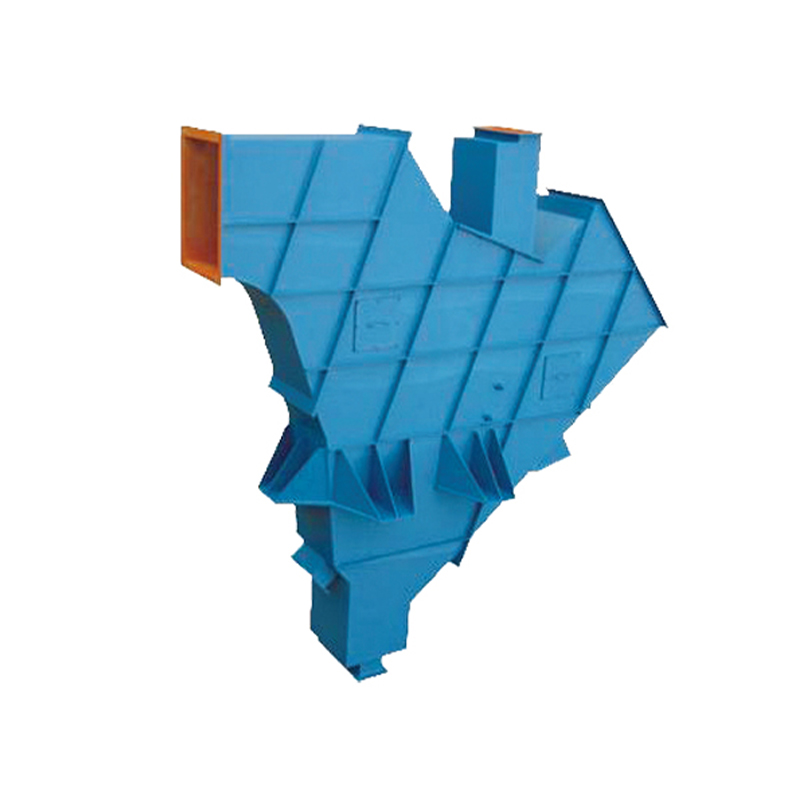
Most Industrial Dust Removal Equipment draws dust-laden air through a filtration medium, such as fabric filter bags or cyclone chambers, where particles are separated from the air stream. Cleaned air is then released or recirculated, while collected dust falls into a hopper for removal or, in many powder processing lines, reintroduction back into the production process.
Cleaning and Maintaining Filter Media
Over time, filter bags accumulate a dust cake that increases airflow resistance. Pulse-jet cleaning systems periodically release short bursts of compressed air to dislodge this buildup, restoring airflow without stopping the process. Balancing cleaning frequency is important: too little cleaning raises energy consumption from higher resistance, while too much can shorten filter bag life.
Advantages of a Well-Designed Dust Collector
The table below compares outcomes between a poorly maintained dust collection system and one that follows proper design and maintenance practices.
Comparison of poorly maintained and well-designed industrial dust collection systems
| Aspect |
Poorly Maintained System |
Well-Designed & Maintained System |
| Emission Compliance |
Frequent risk of exceeding limits |
Consistently within regulatory thresholds |
| Filter Bag Lifespan |
Shortened by uneven cleaning cycles |
Extended through balanced pulse-jet cleaning |
| Fan Energy Consumption |
Higher due to clogged media resistance |
Lower with controlled pressure drop |
| Dust Recovery Value |
Often lost as waste |
Recovered and reused where possible |
These differences show that dust collection is not only an environmental measure but also a direct factor in operating cost and equipment longevity.
Choosing the Right Dust Removal Solution
- Identify the dust particle size and concentration generated by your specific process.
- Match filter media type and area to expected airflow volume and dust load.
- Confirm the cleaning system can maintain stable pressure drop under continuous operation.
- Plan for safe, efficient disposal or reuse of collected dust.
Frequently Asked Questions
Q1: What types of dust collectors are commonly used in industrial plants?
Fabric filter (bag house) collectors and cyclone separators are among the most widely used, often applied together to handle both coarse and fine particulate matter.
Q2: How is dust collector efficiency measured?
Efficiency is typically assessed by comparing dust concentration in the air stream before and after filtration, along with monitoring pressure drop across the filter media over time.
Q3: Can collected dust be reused instead of discarded?
In many powder processing operations, yes. Recovered dust can often be returned to the production line, reducing material waste and improving overall yield.
Q4: What causes premature filter bag failure?
Common causes include excessive cleaning frequency, incompatible filter media for the dust type, and operating temperatures that exceed the media's rated limits.
Dust Collection as Part of a Broader Environmental Commitment
Effective dust removal works best when it is planned alongside the rest of a plant's environmental strategy, not treated as a separate compliance box to check. JND states that it is committed to practicing the concept of environmental protection and creating ecological value in all its business activities, and that it continuously optimizes its environmental management system rather than settling for minimum compliance standards. Applied to dust control, this outlook supports the ongoing refinement of Industrial Dust Collector and Industrial Dust Removal Equipment designs so that emission control keeps pace with both regulatory expectations and the practical realities of daily plant operation.


 English
 中文简体
 русский
 Español
 عربى



 Email:ycjnd@163.com
 Telephone:+86-13770001111
 Phone:+86-515-88582588



