What Pneumatic Air Classification Equipment Does Differently
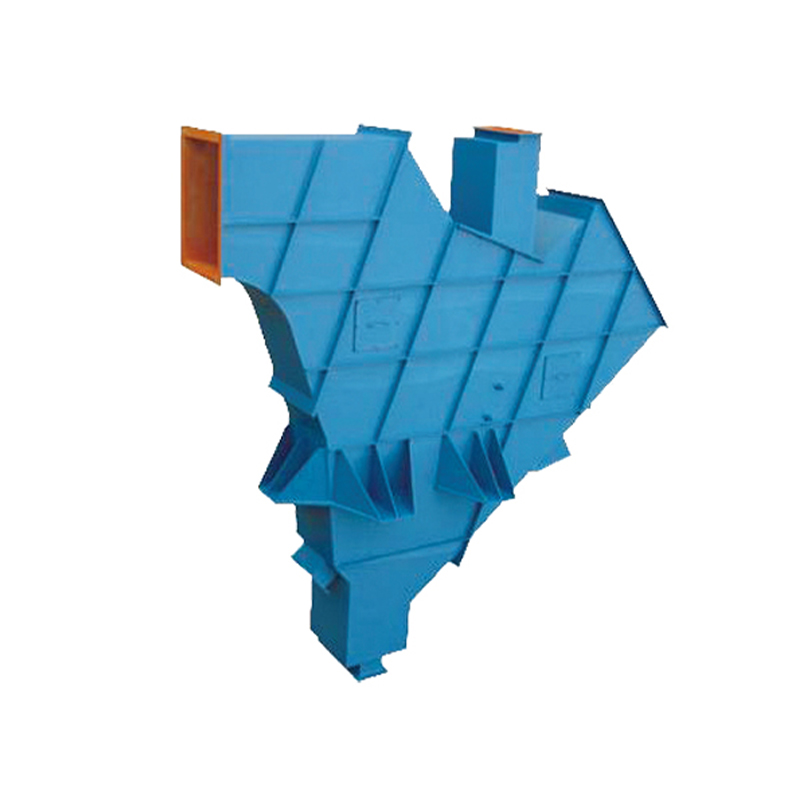
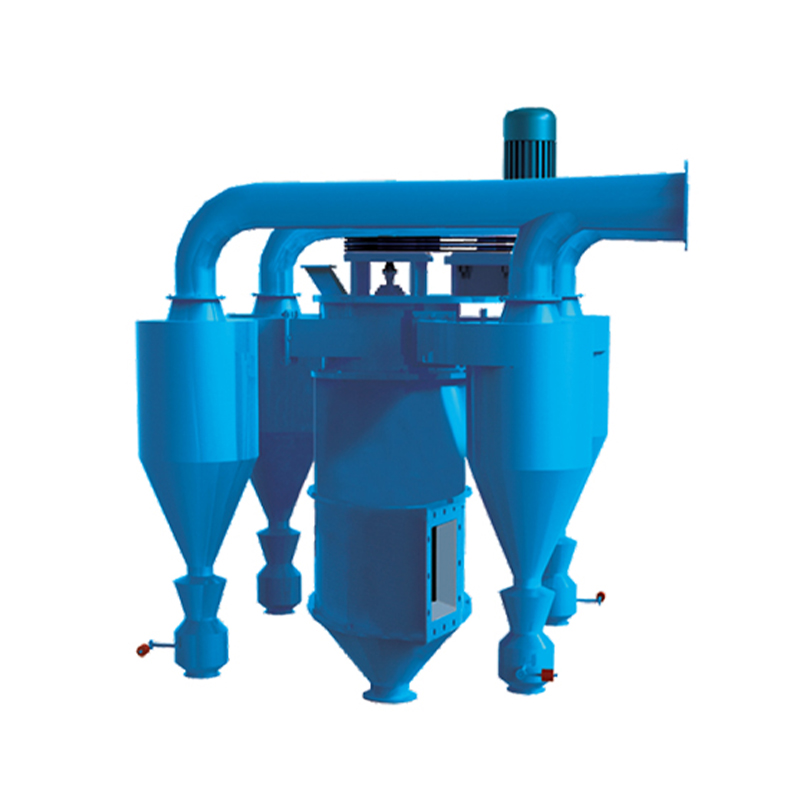
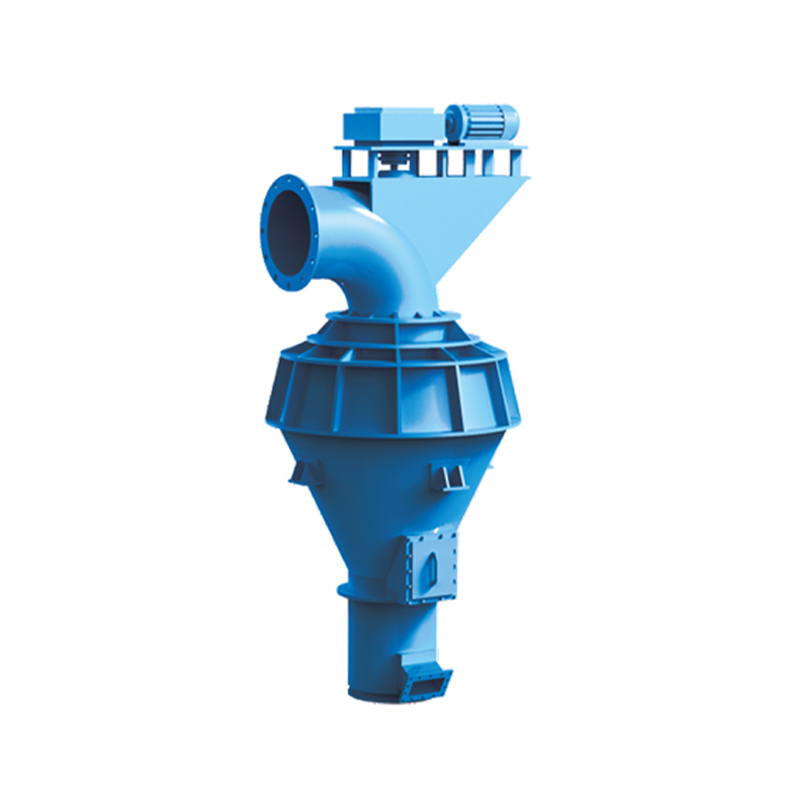
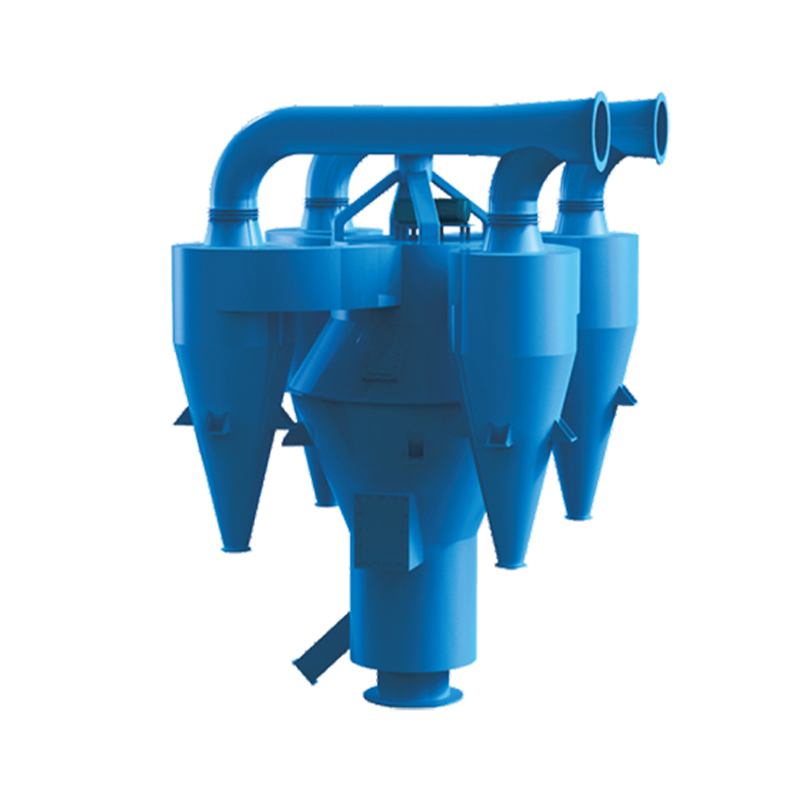
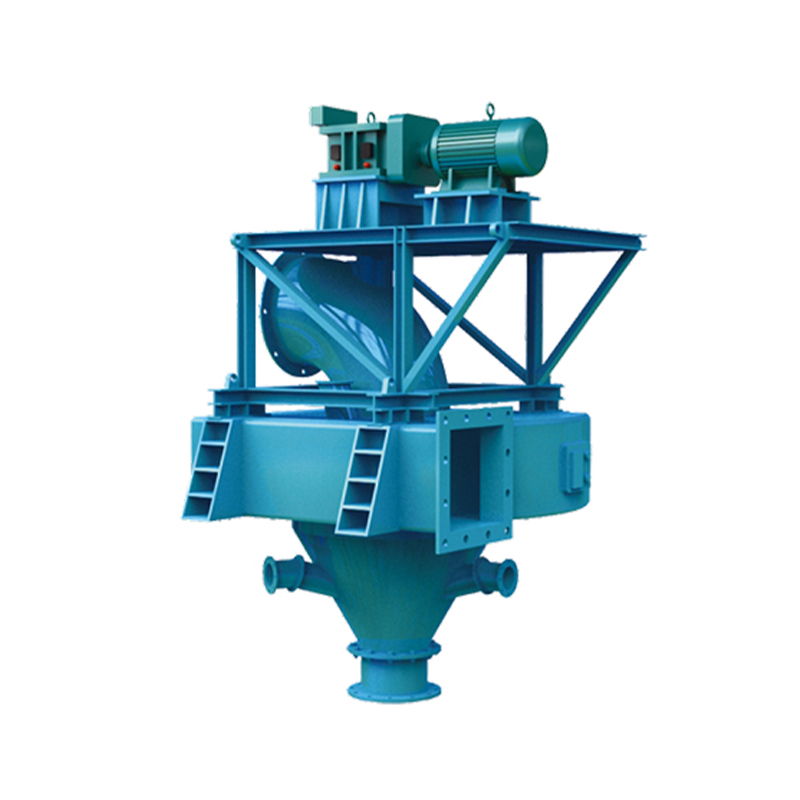
Traditional screen-based sorting struggles once particle size drops below a certain range, as fine material tends to clog mesh openings and reduce throughput. Pneumatic Air Classification Equipment solves this by separating particles using controlled airflow and centrifugal force instead of a physical screen, making it well suited to powder processing lines in cement, chemical engineering, power generation and iron & steel production where consistent fineness control is essential.
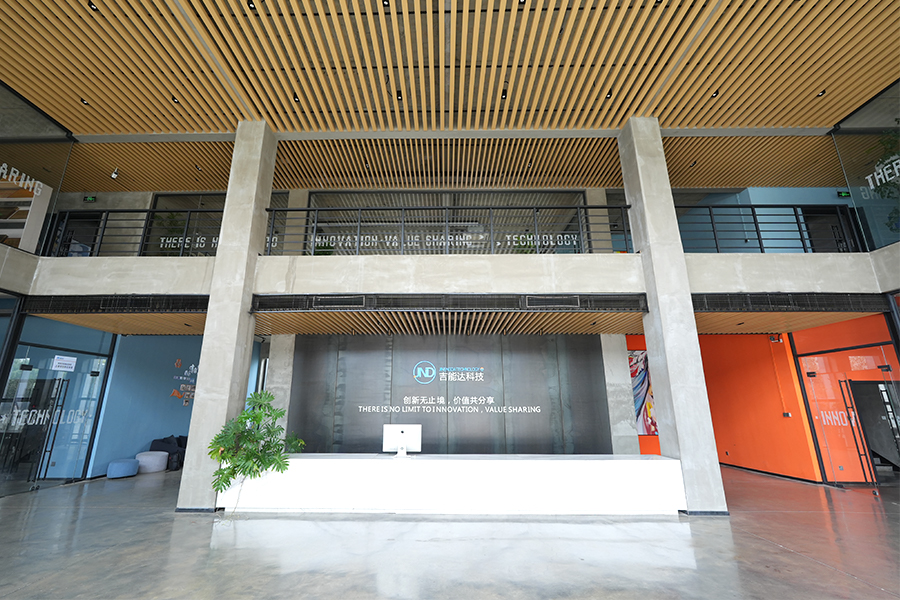
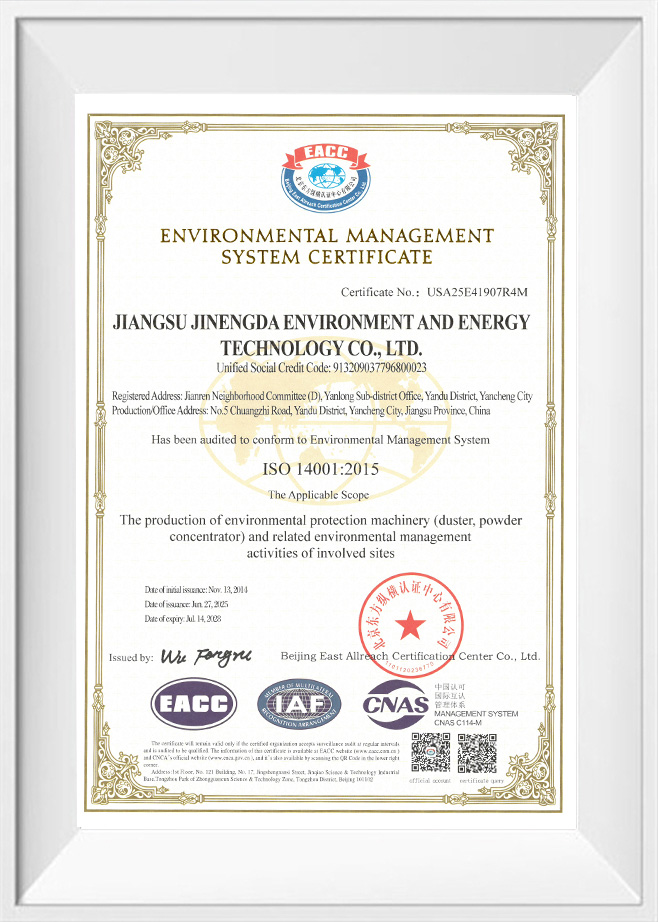
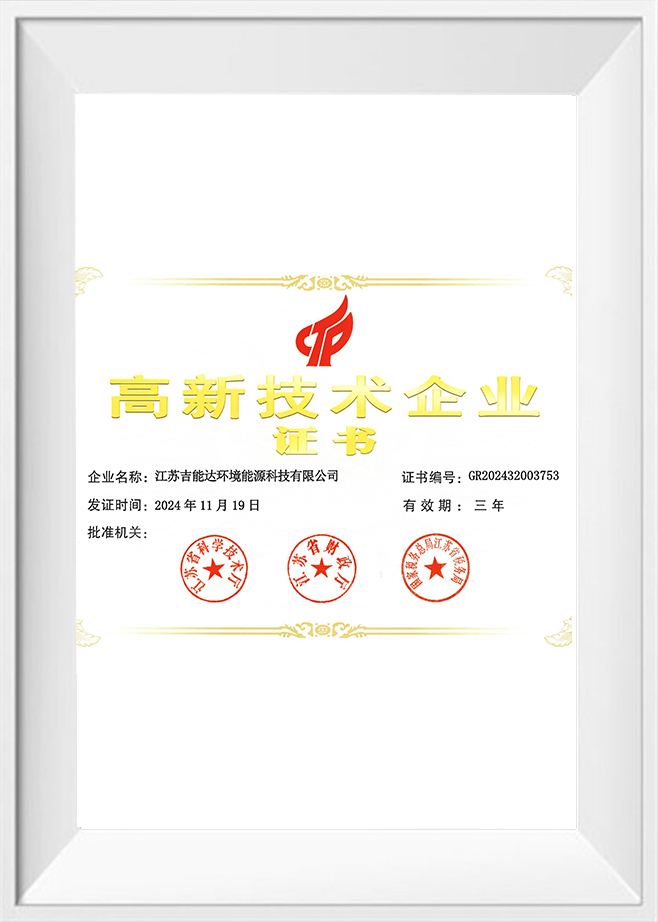
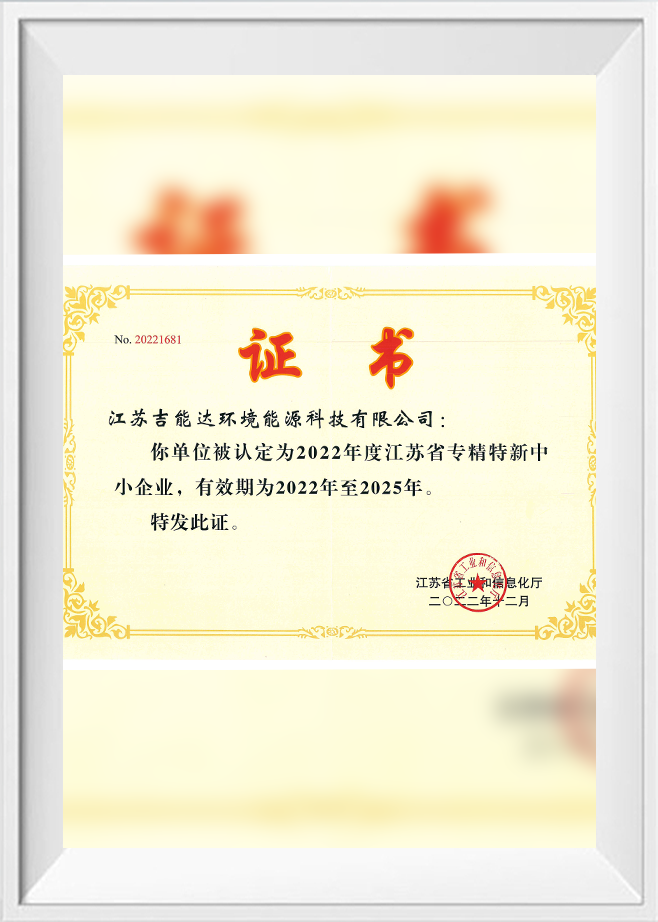
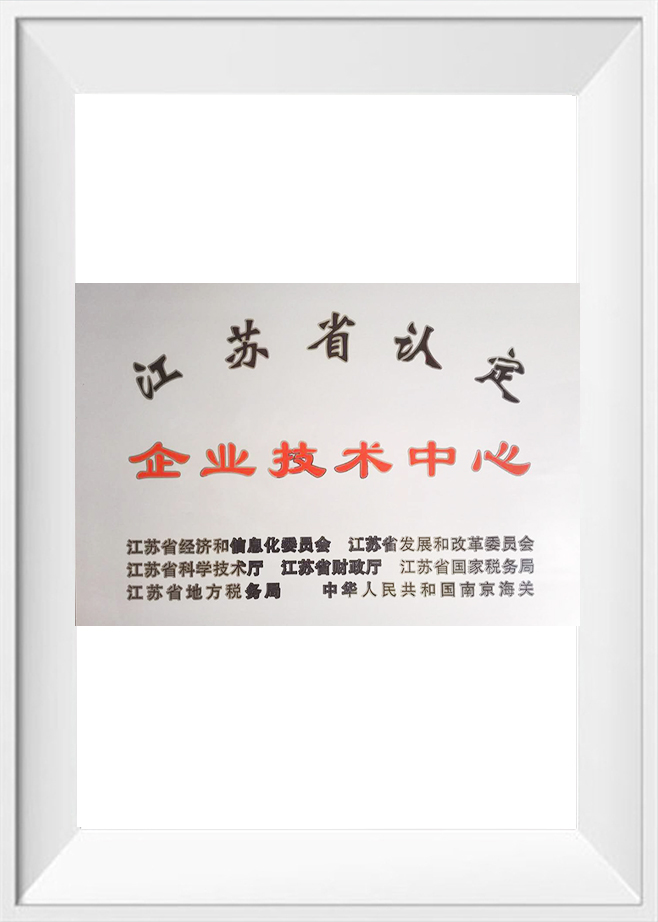
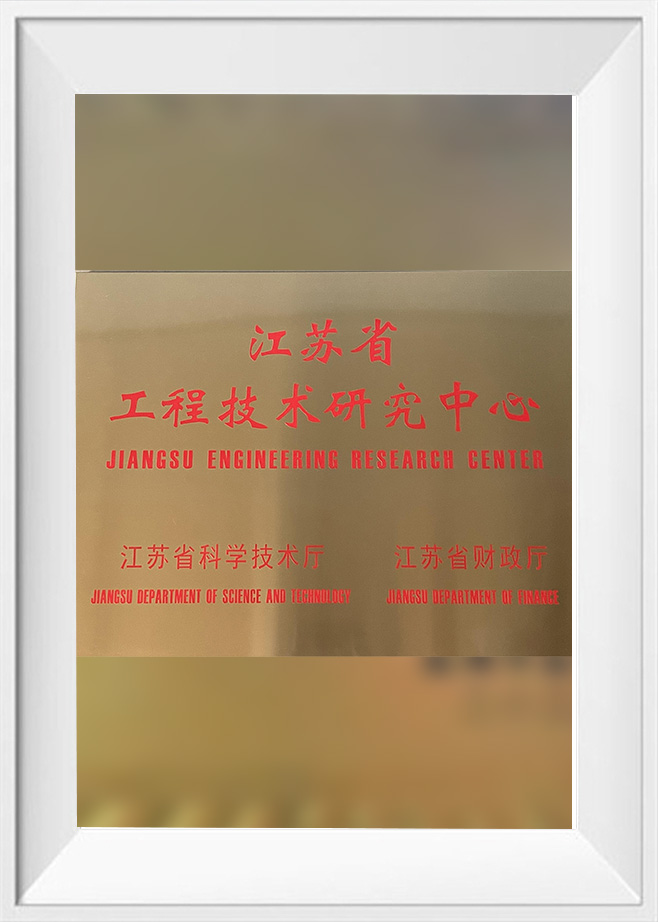
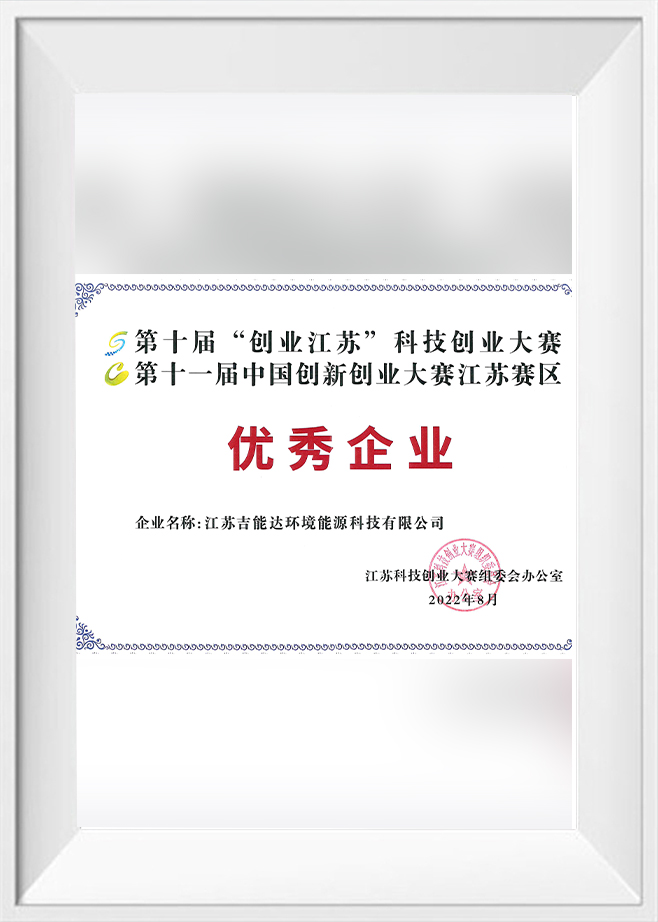
Jiangsu JND Environmental & Energy Technology Co., Ltd., founded in 2002 and based in the Yancheng National High-Tech Industrial Development Zone, is a national high-tech enterprise specializing in the integration of energy-saving and environmental protection technology R&D, equipment manufacturing and engineering contracting. Through cooperation with universities including Southeast University and Tongji University, the company takes a leading position in the field of grinding and powder-separating technology, an area directly connected to how well pneumatic classification systems perform in practice.
Separation Without a Physical Mesh
A Screenless Classifier relies on the balance between airflow drag force and centrifugal force generated by a rotating impeller. Fine particles that follow the air stream pass through to the fine outlet, while coarser particles are thrown outward and fall back for further processing. Because there is no mesh to wear out or clog, the cut point can be adjusted simply by changing rotor speed or airflow rate, without replacing physical screens.
Fitting Into a Sand-Making Tower
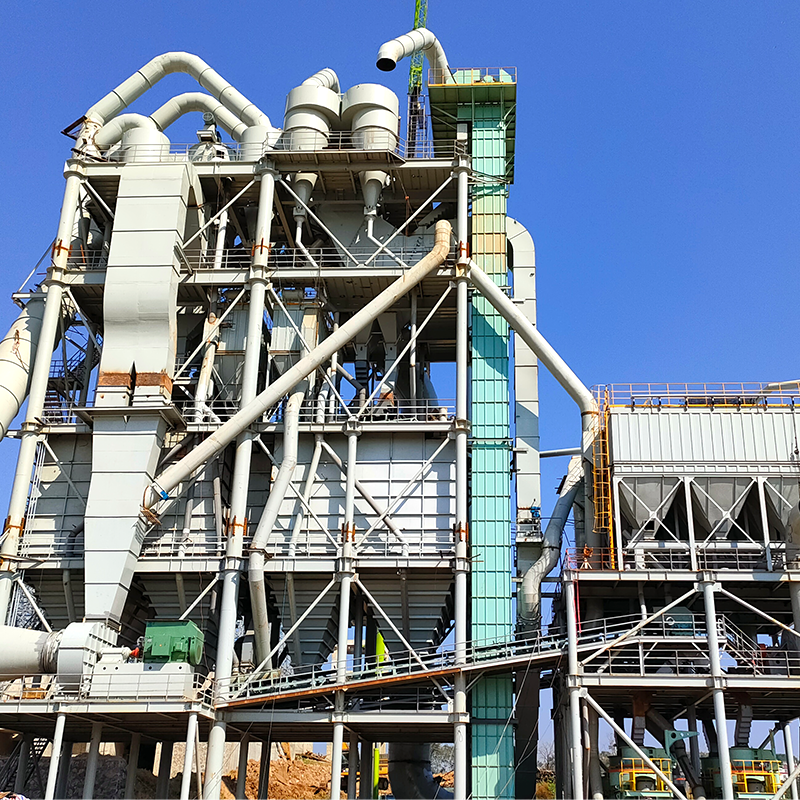
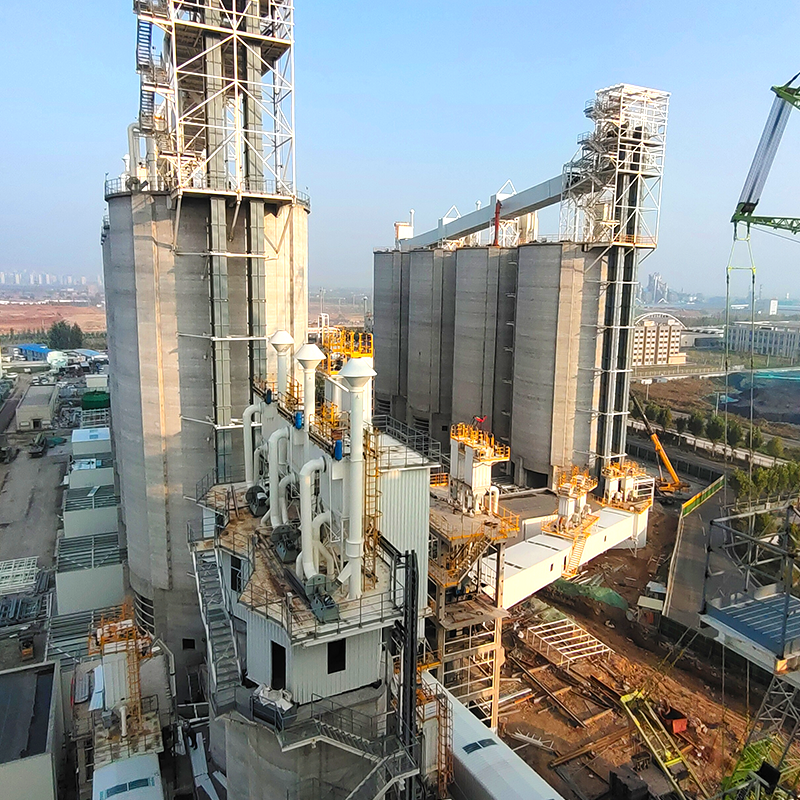
In aggregate and construction material processing, a Sand-making tower often integrates crushing, classification and dust control across multiple vertical stages. Positioning screenless classification equipment within this tower structure allows fine and coarse sand fractions to be separated efficiently at each stage, improving overall product gradation without adding horizontal floor space.
Advantages Over Screen-Based Classification
The table below outlines the practical differences between conventional mesh screening and pneumatic screenless classification.
Comparison of screen-based classification and pneumatic screenless classification
| Aspect |
Screen-Based Classification |
Pneumatic Screenless Classification |
| Fine Particle Handling |
Prone to mesh clogging |
Unaffected by mesh blockage issues |
| Wear Component Replacement |
Frequent screen replacement |
Rotor and liner wear only, less frequent |
| Cut Point Adjustment |
Requires changing the screen |
Adjustable via rotor speed and airflow |
| Dust Generation |
Higher, from mechanical agitation |
Lower, contained within airflow system |
These differences make pneumatic classification particularly valuable where fine particle fractions are a significant share of total output, since screen-based systems tend to lose efficiency precisely in that range.
Planning a Pneumatic Classification Installation
- Assess feed material particle size range and moisture content before selecting rotor and airflow settings.
- Determine whether a standalone classifier or a multi-stage Sand-making tower layout better suits available space.
- Pair the classifier with adequate dust collection to manage fine particulate carried in the exhaust air.
- Plan access points for rotor and liner inspection to keep separation accuracy stable over time.
Frequently Asked Questions
Q1: Why choose a Screenless Classifier over a mesh-based sieve?
Since there is no mesh to clog or wear through, a screenless classifier maintains stable separation performance over longer operating periods, especially when processing fine or sticky material.
Q2: Can Pneumatic Air Classification Equipment handle varying feed rates?
Yes, within its designed range. Airflow and rotor speed can typically be adjusted to accommodate moderate fluctuations in feed rate while keeping the cut point relatively stable.
Q3: How does classification fit into a Sand-making tower layout?
Classification units are typically positioned after crushing stages within the tower, allowing fine and coarse fractions to be separated and routed to the appropriate output without additional horizontal transport equipment.
Q4: What maintenance does screenless classification equipment require?
Regular inspection of rotor blades and internal liners for wear is the main maintenance task, since these components directly affect separation accuracy over time.
Classification Technology as Part of an Integrated Process
Pneumatic classification performs best when treated as one coordinated element within a full processing line, alongside crushing, dust control and material transport, rather than as an isolated add-on. JND describes its own approach in similar terms, stating that it is committed to practicing the concept of environmental protection and creating ecological value in all its business activities, and that it continuously optimizes its systems instead of settling for minimum standards. Applied here, this outlook supports the ongoing refinement of Pneumatic Air Classification Equipment and Screenless Classifier designs so they continue to deliver stable separation performance as production demands evolve.


 English
 中文简体
 русский
 Español
 عربى





 Email:ycjnd@163.com
 Telephone:+86-13770001111
 Phone:+86-515-88582588



