The Foundation Role of Industrial Crushing and Grinding Equipment
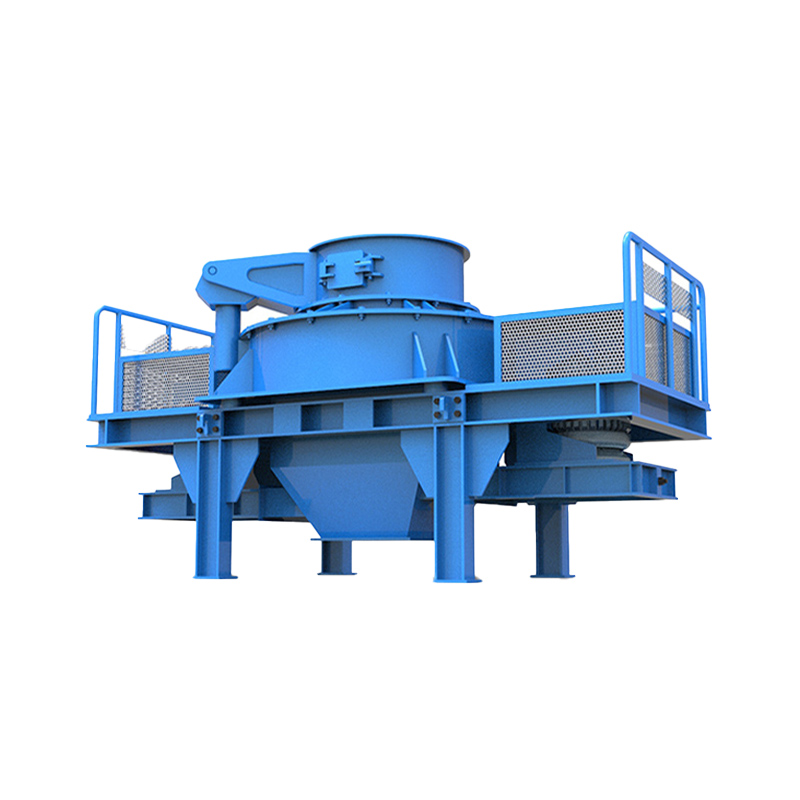
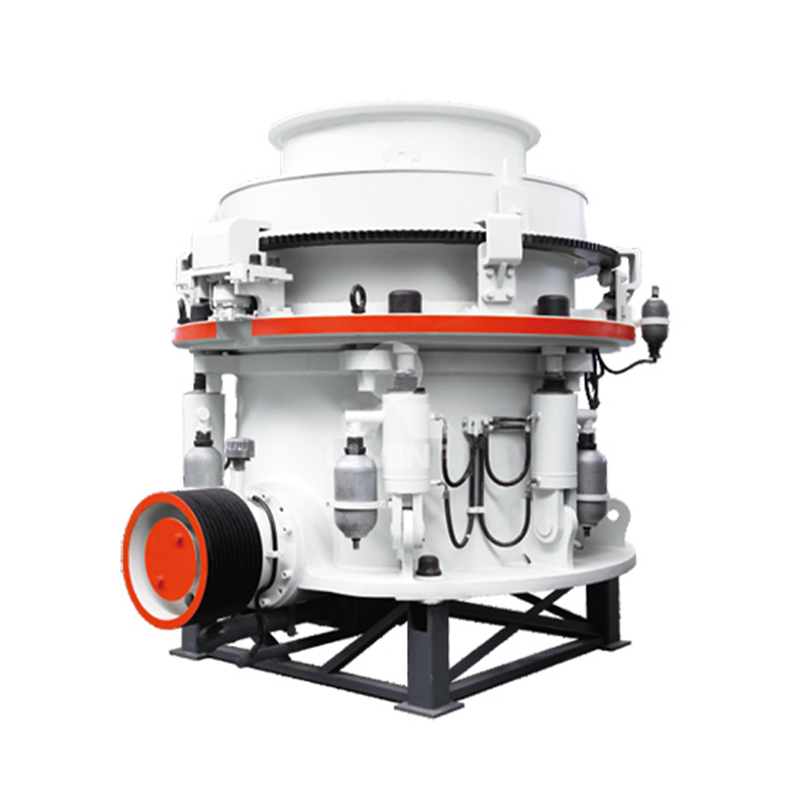
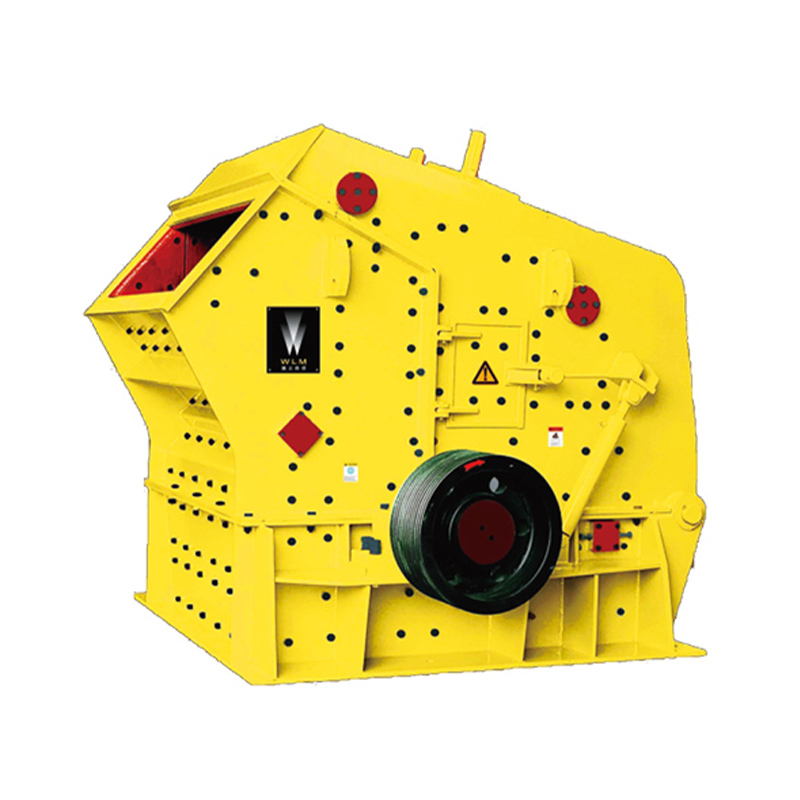
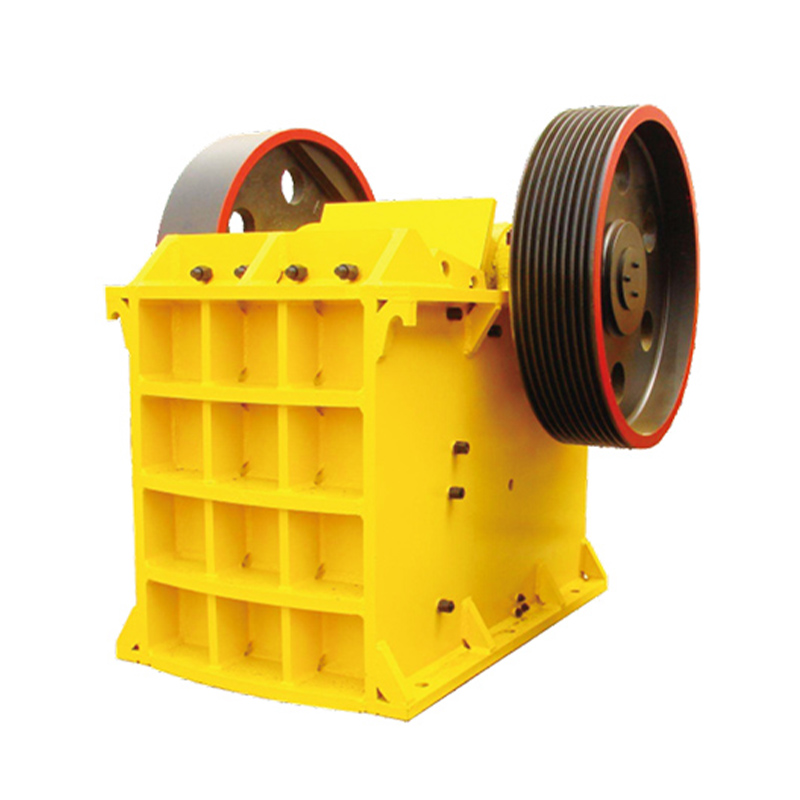
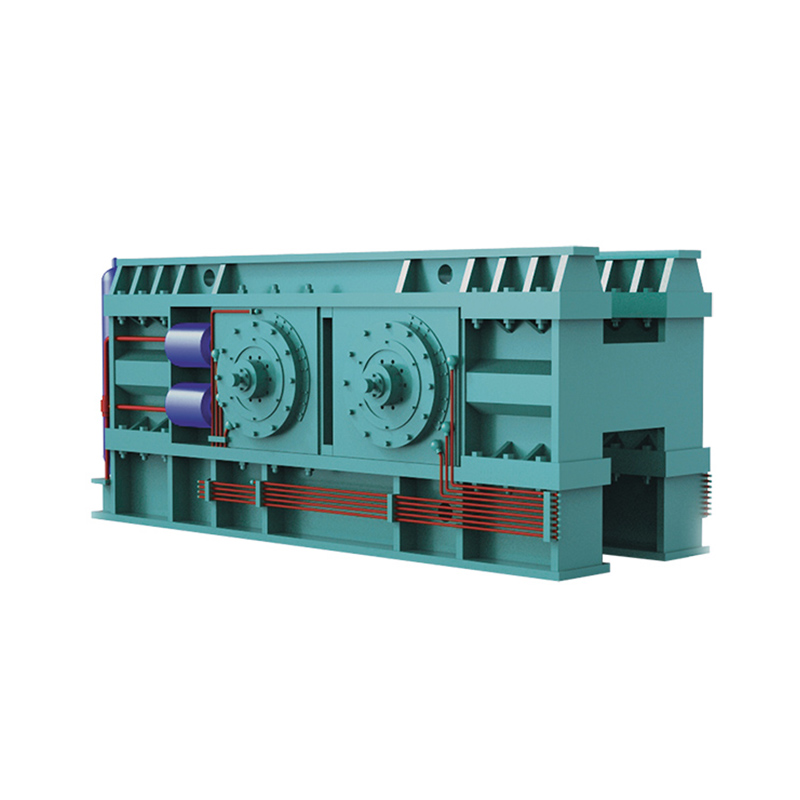
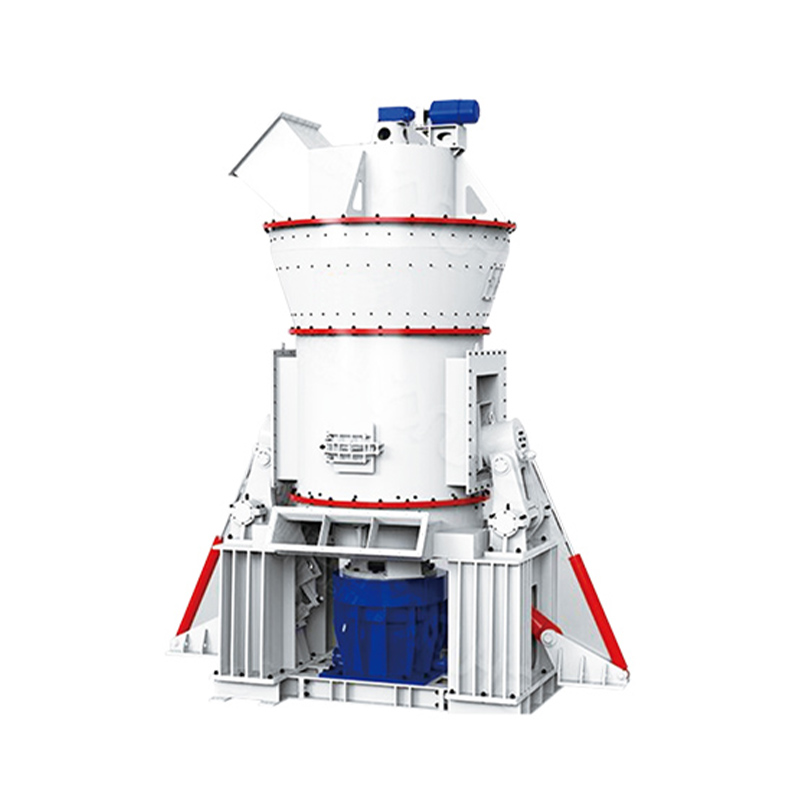
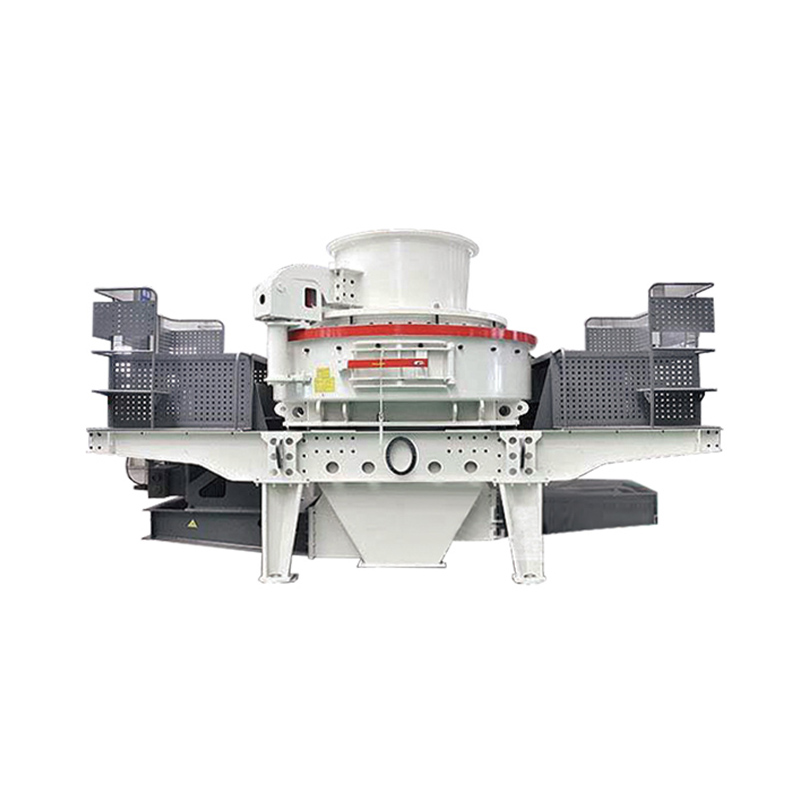
Before any bulk material can be classified, dried or turned into a finished product, it must first be reduced to a workable particle size. Industrial Crushing and Grinding Equipment performs this foundational step across cement, chemical engineering, power generation and iron & steel operations, breaking raw feed down through mechanical force so that later processing stages can work efficiently.
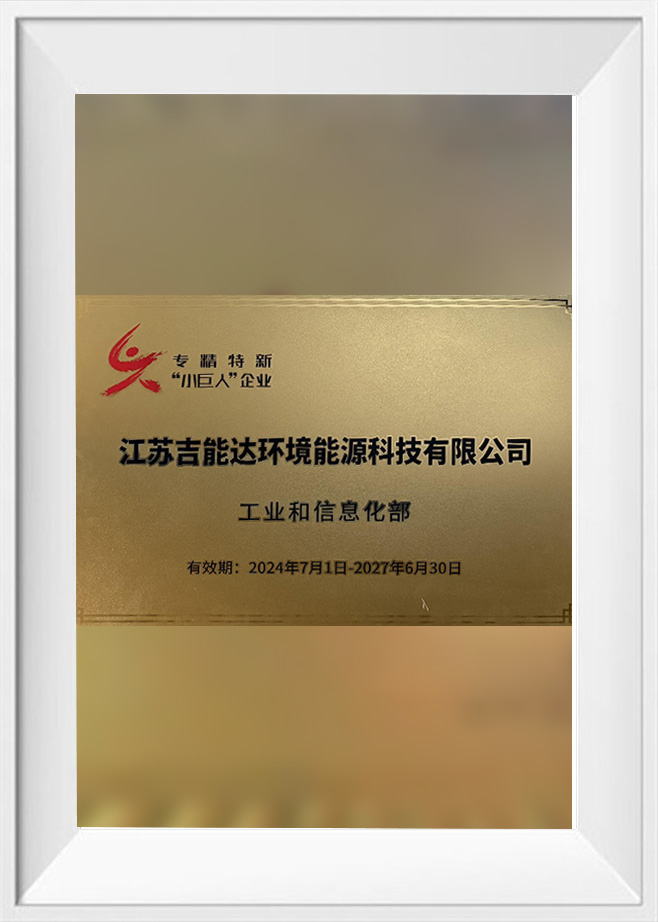
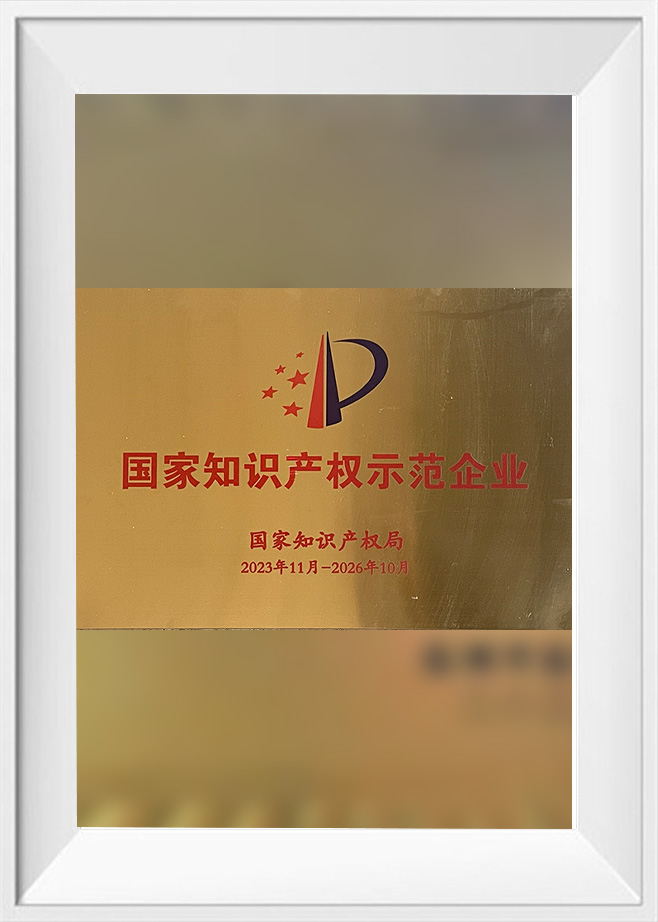
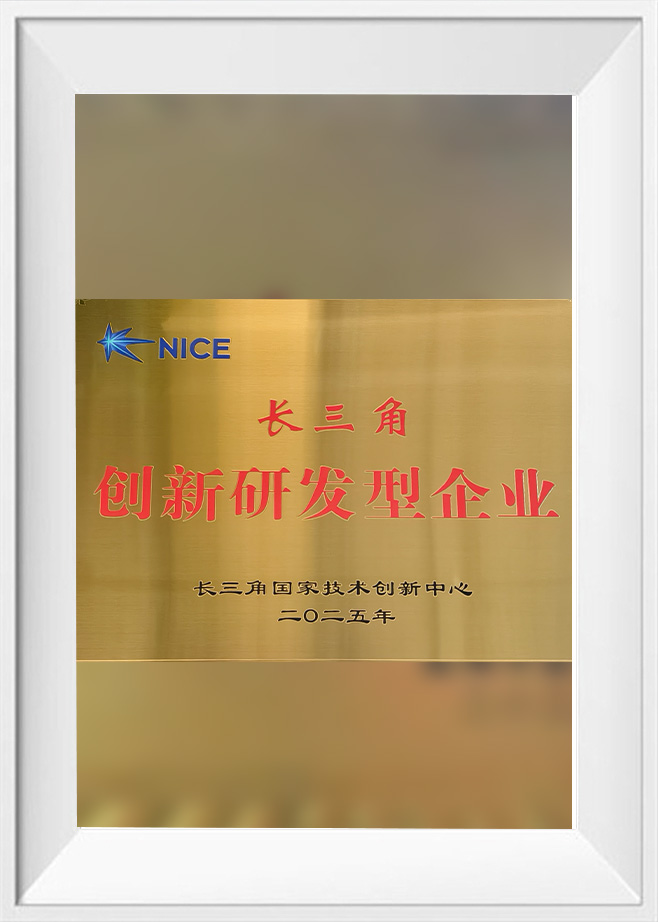
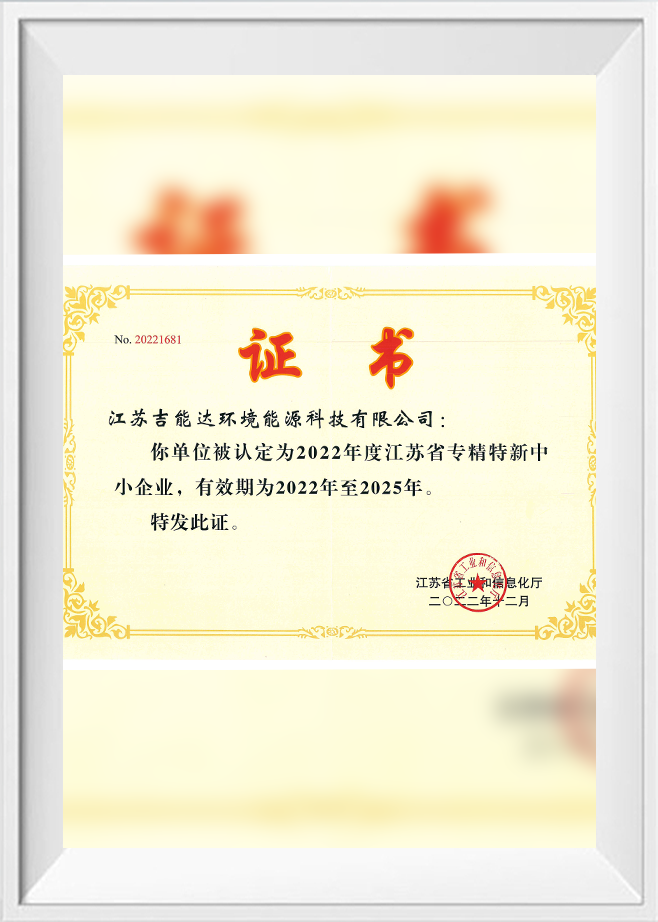
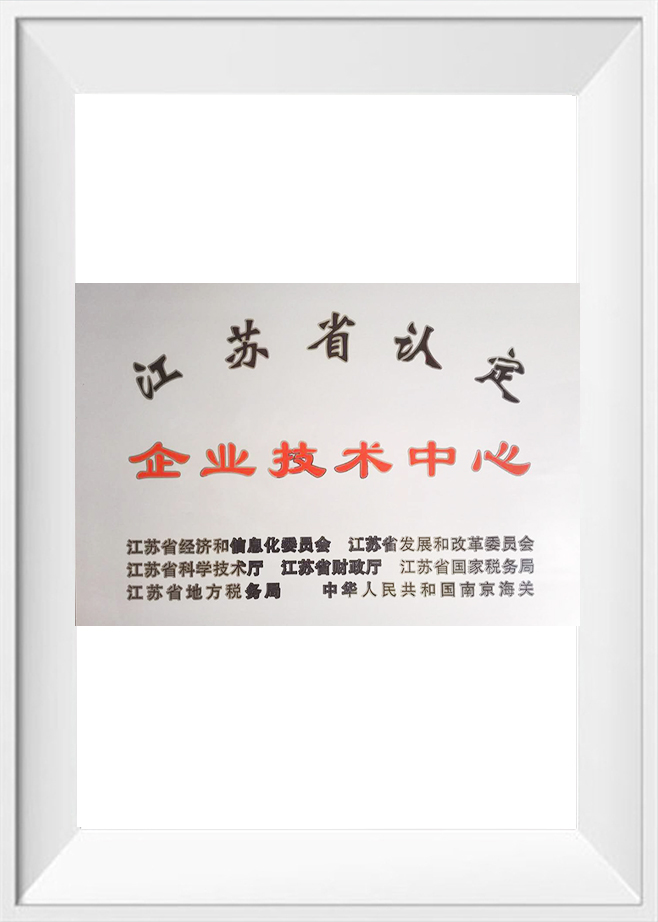
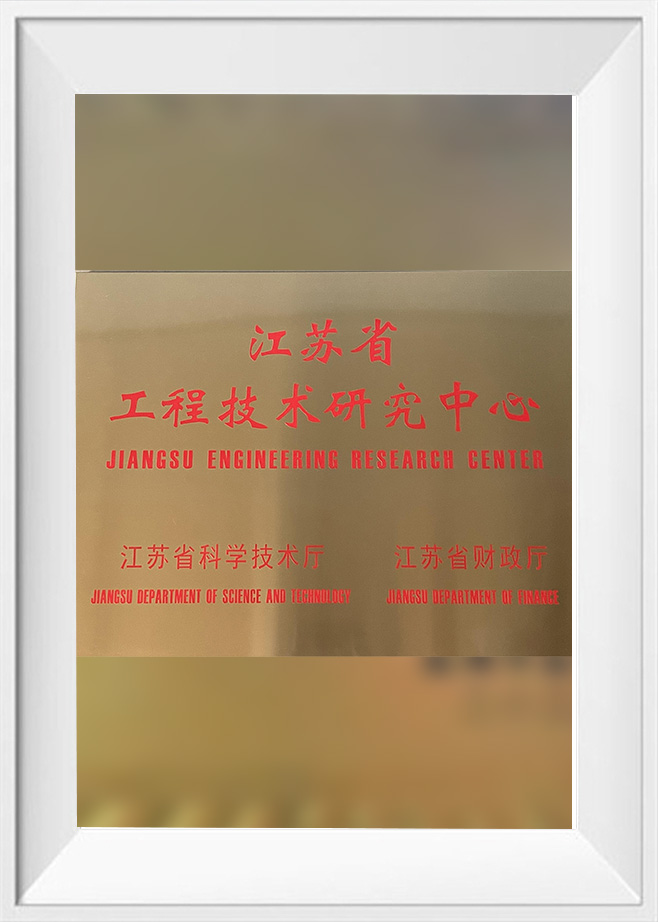
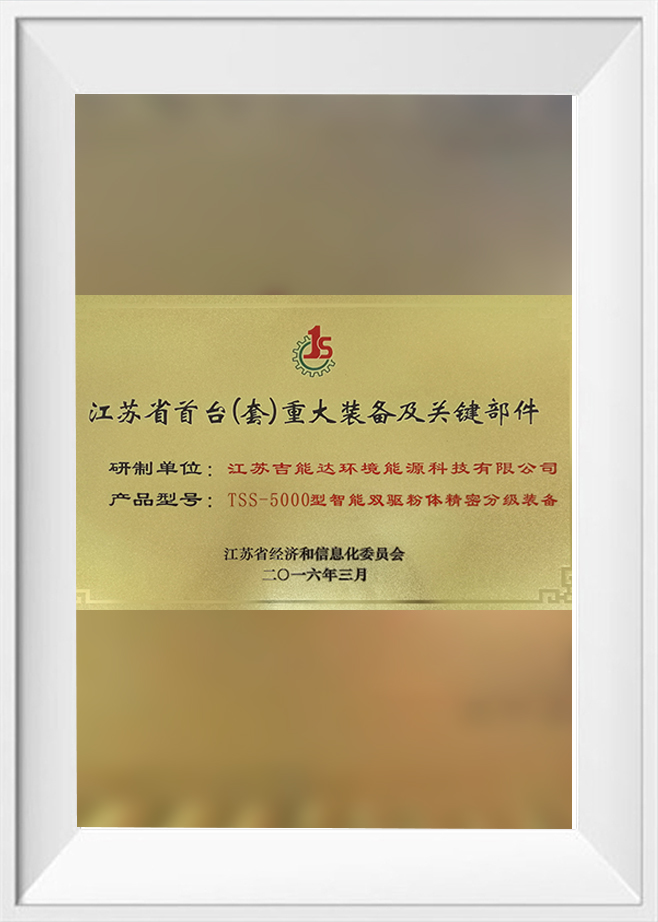
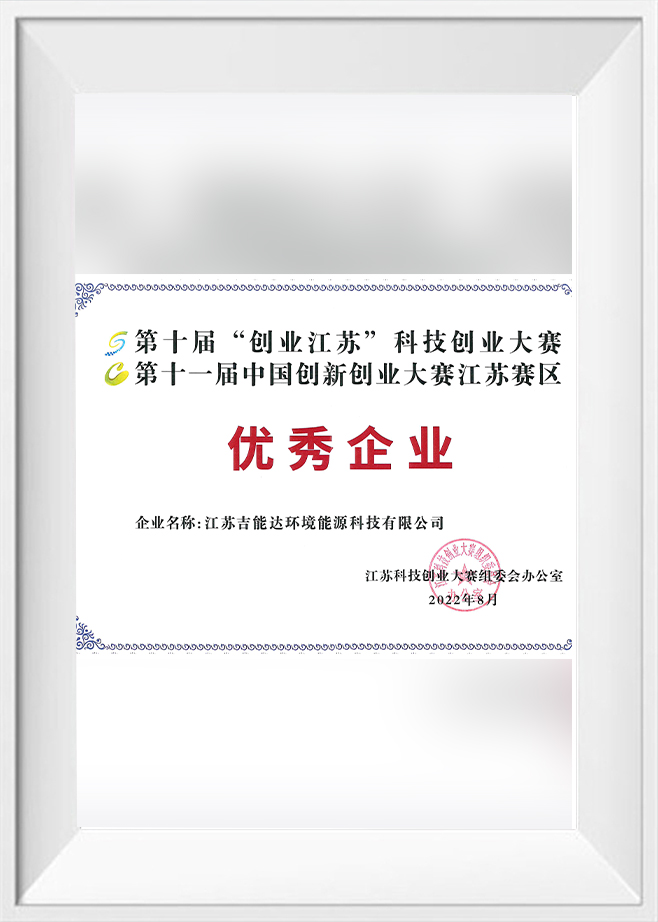
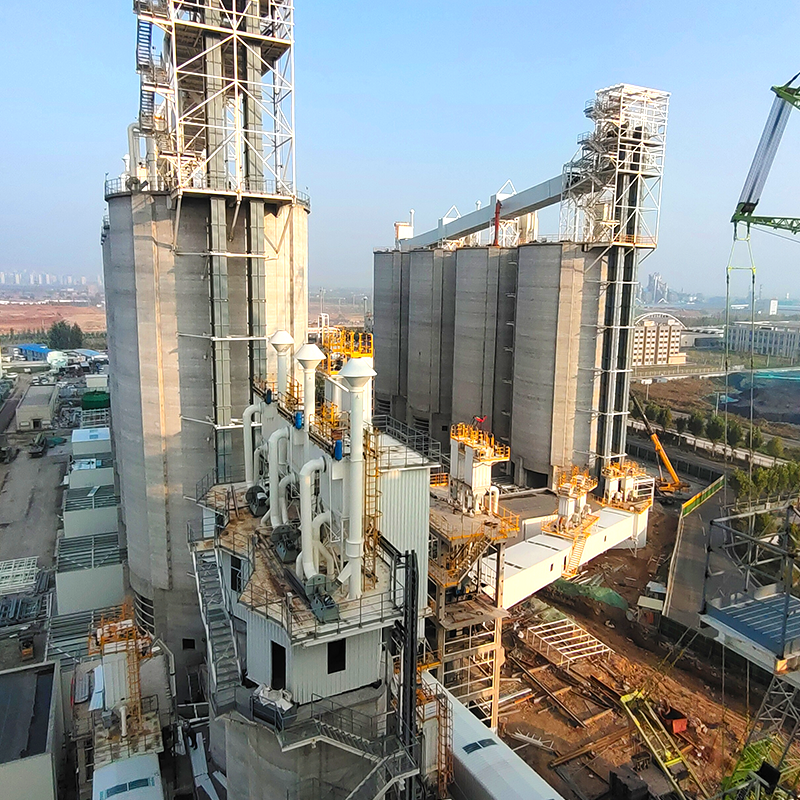
Jiangsu JND Environmental & Energy Technology Co., Ltd., founded in 2002 and based in the Yancheng National High-Tech Industrial Development Zone, is a national high-tech enterprise specializing in the integration of energy-saving and environmental protection technology R&D, equipment manufacturing and engineering contracting. Through cooperation with universities including Southeast University and Tongji University, the company takes a leading position in the field of grinding and powder-separating technology, an area of direct relevance to crushing and grinding line performance.
How Crushing and Grinding Stages Work Together
Primary Size Reduction
Crushing is typically the first stage, using compressive or impact force to break large raw material chunks into smaller, more manageable pieces. This stage prepares feed material for the grinding equipment that follows, since grinding mills are generally designed to accept a maximum feed size for efficient operation.
Fine Grinding and Particle Size Control
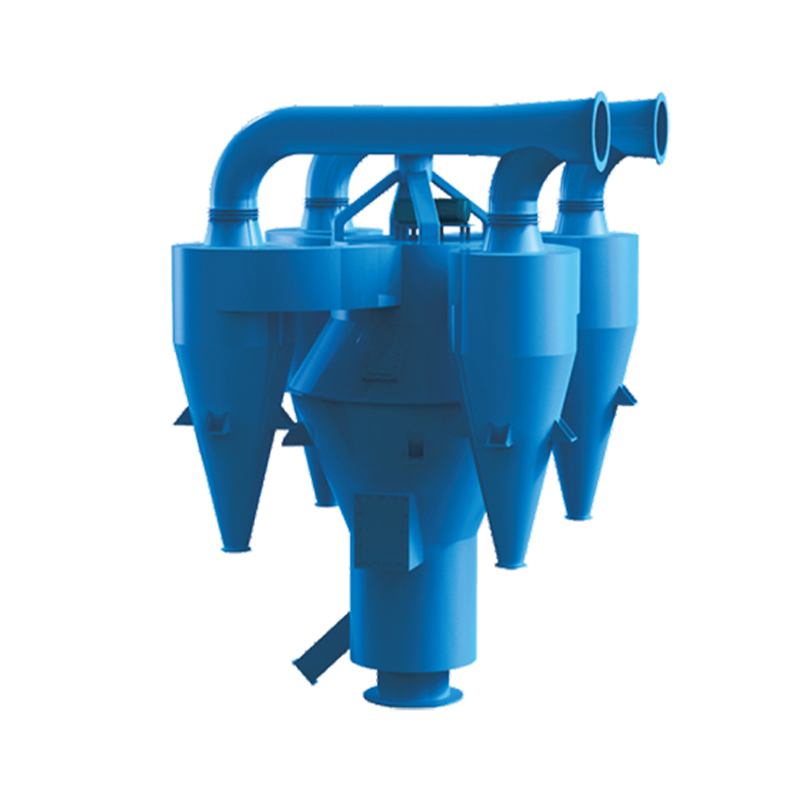
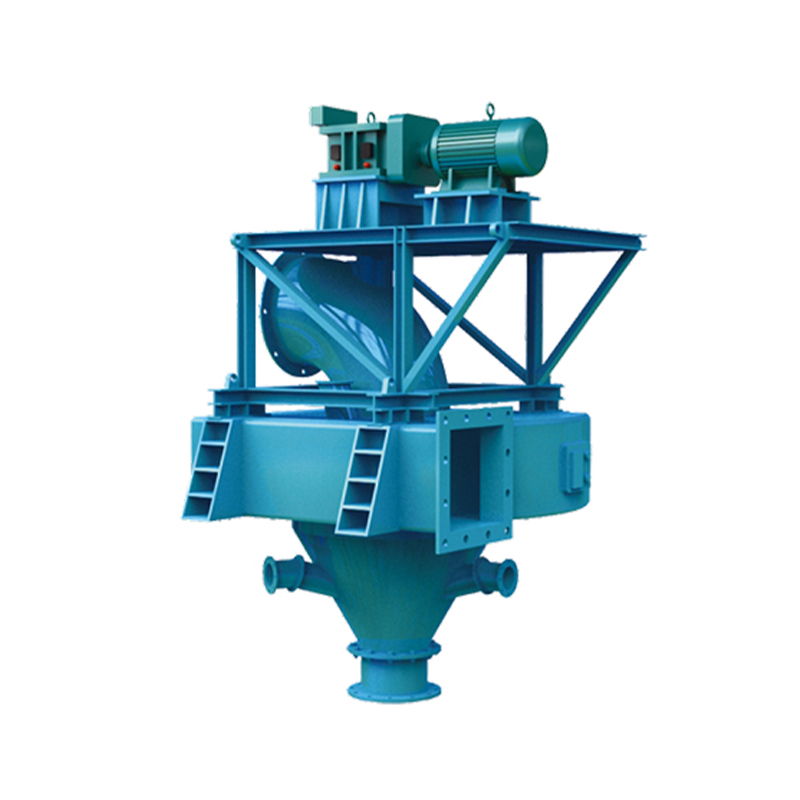
Grinding equipment then reduces crushed material further through attrition, impact or compression between grinding media or grinding rollers. Coupled with a classifier, the system forms a closed loop where only particles meeting the target fineness pass through, while oversized material returns for another grinding pass.
Cement Semi-Finish Grinding as a Practical Application
Cement semi-finish grinding illustrates how crushing and grinding equipment can be combined efficiently within a single production configuration. In this setup, a pre-grinding stage — often a roller press or similar equipment — partially reduces clinker particle size before material passes to a ball mill for final fine grinding. This staged approach reduces the workload on the ball mill compared with feeding it raw clinker directly.
Comparison of conventional ball mill grinding and semi-finish grinding configuration
| Aspect |
Conventional Ball Mill Only |
Semi-Finish Grinding Configuration |
| Feed Particle Size to Mill |
Coarser, higher grinding load |
Pre-reduced, lower grinding load |
| Ball Mill Wear Rate |
Higher due to heavier workload |
Reduced through pre-grinding assistance |
| Particle Size Distribution |
Standard range |
Can be tuned for improved cement quality |
| System Flexibility |
Fixed grinding path |
Adjustable balance between pre-grinding and mill stages |
This configuration shows how combining two grinding principles can outperform relying on a single stage alone, particularly where mill capacity or wear costs are a limiting factor.
Planning a Crushing and Grinding Line
- Determine raw material hardness and abrasiveness to select appropriate crushing equipment.
- Match crusher output size to the feed size range accepted by the downstream grinding mill.
- Evaluate whether a pre-grinding stage, as used in Cement semi-finish grinding, could reduce load on the main mill.
- Plan dust capture at both crushing and grinding stages to control fine particulate release.
Frequently Asked Questions
Q1: What is the difference between crushing and grinding?
Crushing reduces large raw material into smaller pieces, typically down to a range grinding equipment can accept, while grinding further reduces particle size to the fineness required for the finished product.
Q2: Why is Cement semi-finish grinding used instead of grinding clinker directly?
Pre-reducing clinker before it reaches the ball mill lowers the mill's workload, which can reduce wear and support more consistent particle size distribution in the final product.
Q3: How does feed material hardness affect equipment selection?
Harder, more abrasive materials generally require crushing and grinding components built with more wear-resistant materials to maintain reasonable service intervals.
Q4: Can crushing and grinding equipment be adjusted for different output finenesses?
Yes, adjusting grinding gap settings, roller pressure or classifier cut point allows the same line to be tuned for different target particle sizes.
Building Crushing and Grinding Capability for the Long Term
Getting the most from a crushing and grinding line depends on treating it as a connected system, where crusher output, mill capacity and classification work in balance rather than being selected independently. This mirrors how JND approaches its equipment development, stating that it continuously strengthens technological innovation and management innovation to achieve sustainable corporate development, and that it is committed to practicing the concept of environmental protection and creating ecological value in all its business activities. Applied to size reduction, this outlook supports Industrial Crushing and Grinding Equipment designs, including Cement semi-finish grinding configurations, that keep pace with evolving production and efficiency demands.


 English
 中文简体
 русский
 Español
 عربى


 Email:ycjnd@163.com
 Telephone:+86-13770001111
 Phone:+86-515-88582588



