The Function of a Rotary Drum Dryer in Bulk Material Processing
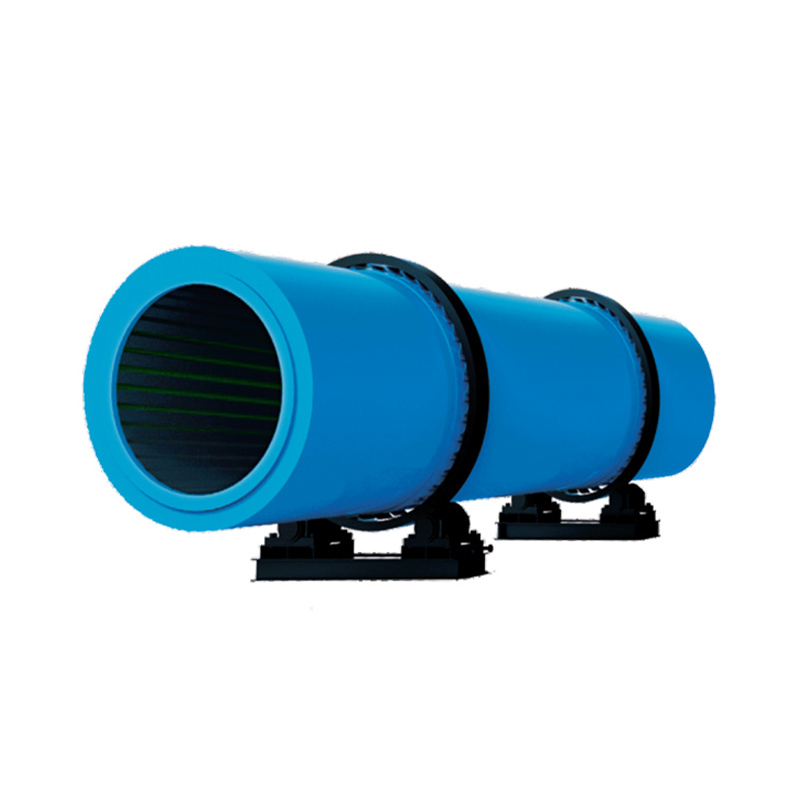
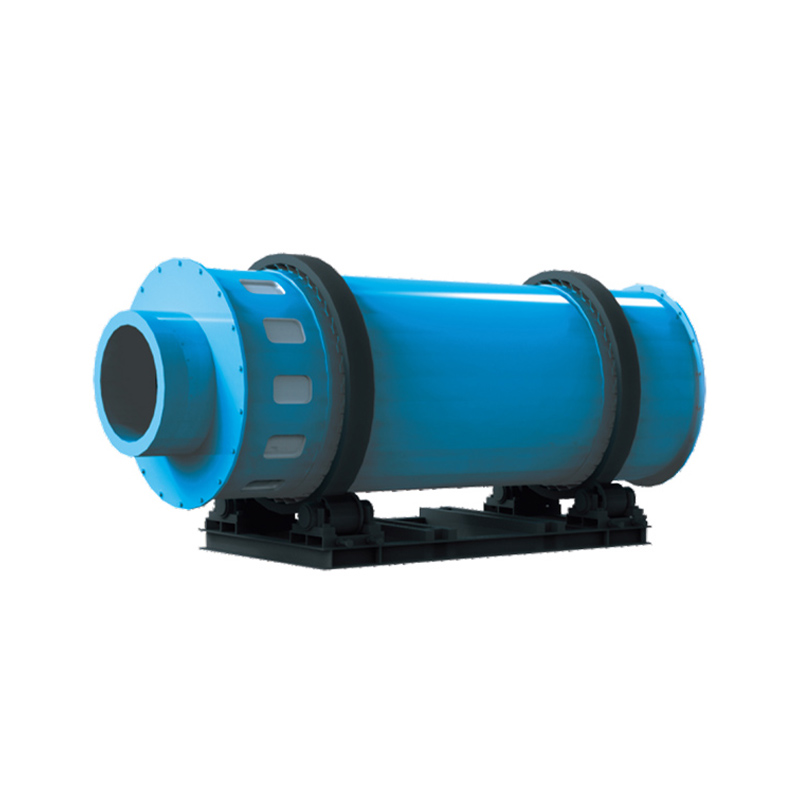
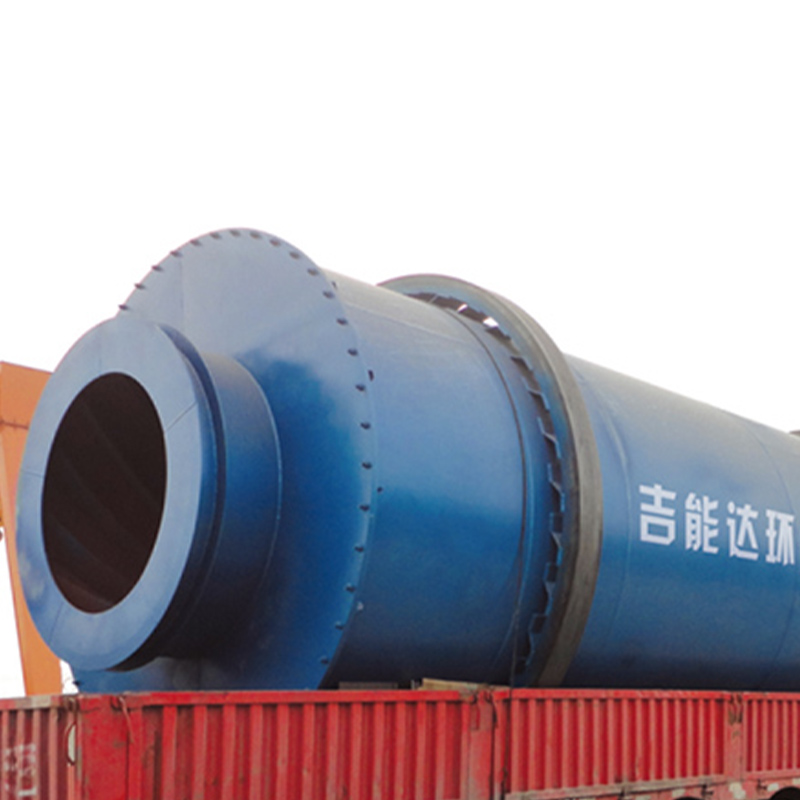
Moisture control is a critical step before grinding, packaging or further chemical processing in industries such as cement, power generation, chemical engineering and iron & steel. A Rotary Drum Dryer removes surface and internal moisture from bulk materials by tumbling them through a heated, rotating cylindrical drum, producing a consistent, dry feedstock ready for downstream processing.
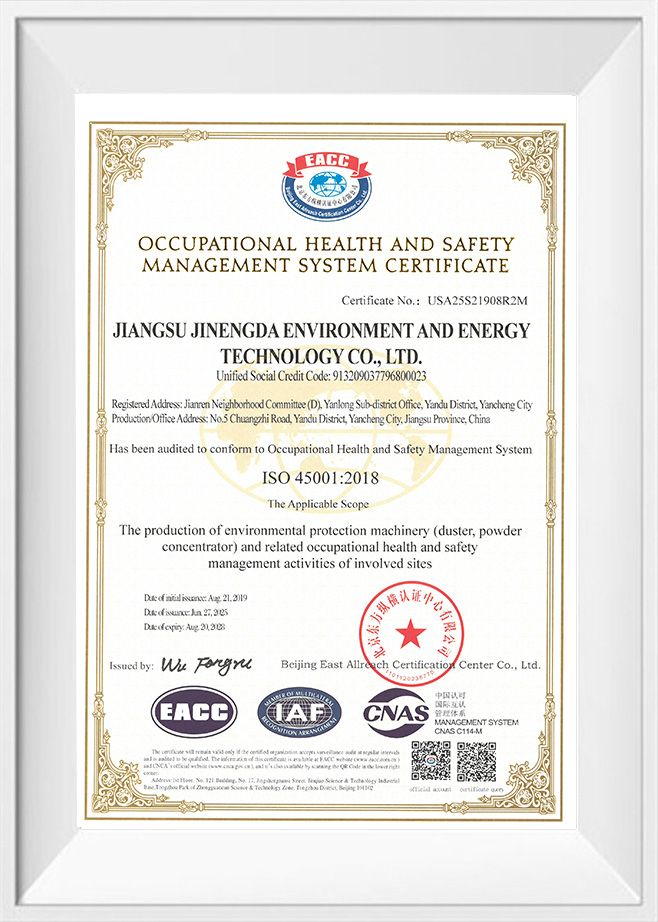
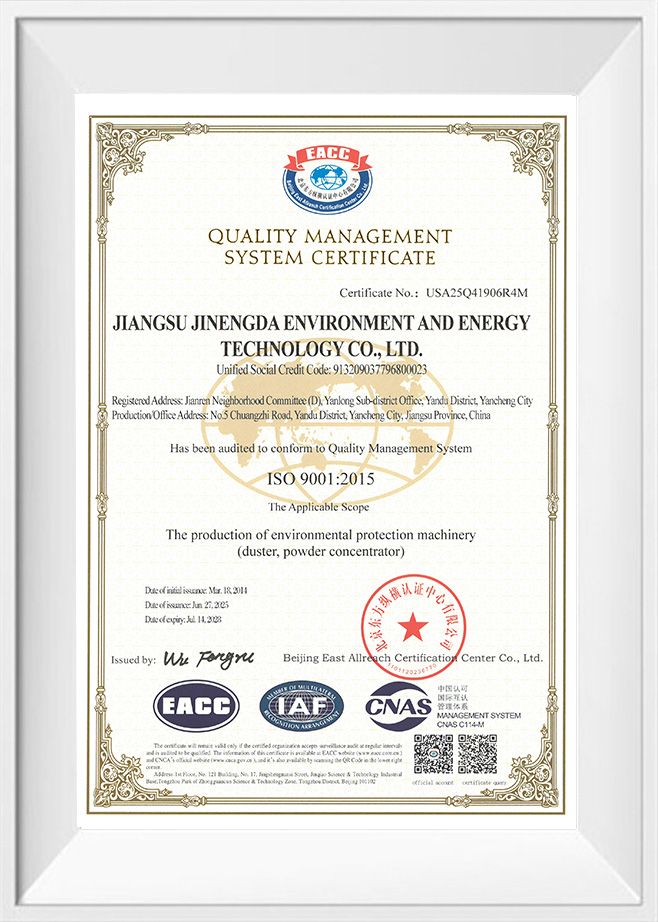
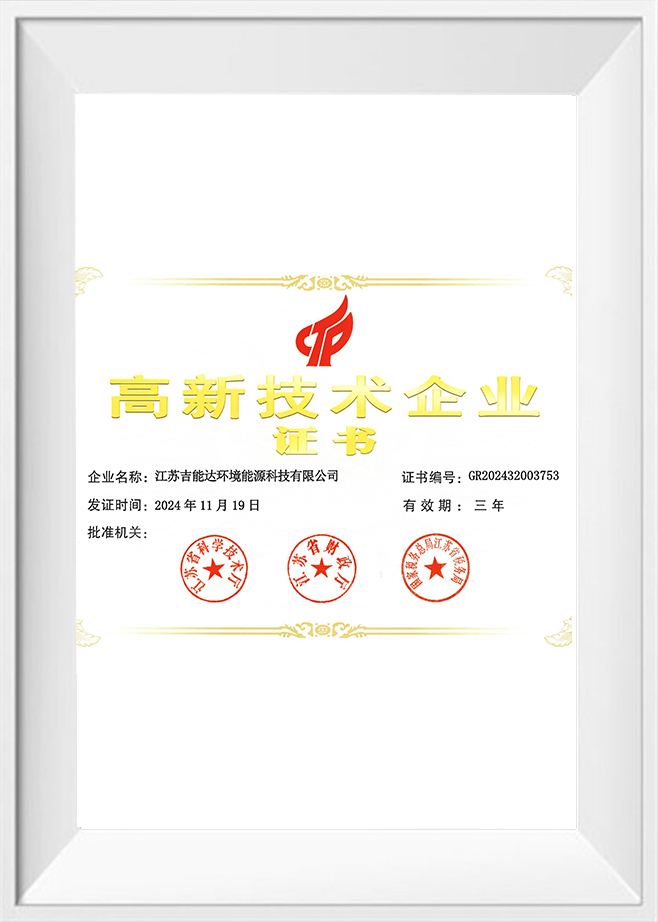
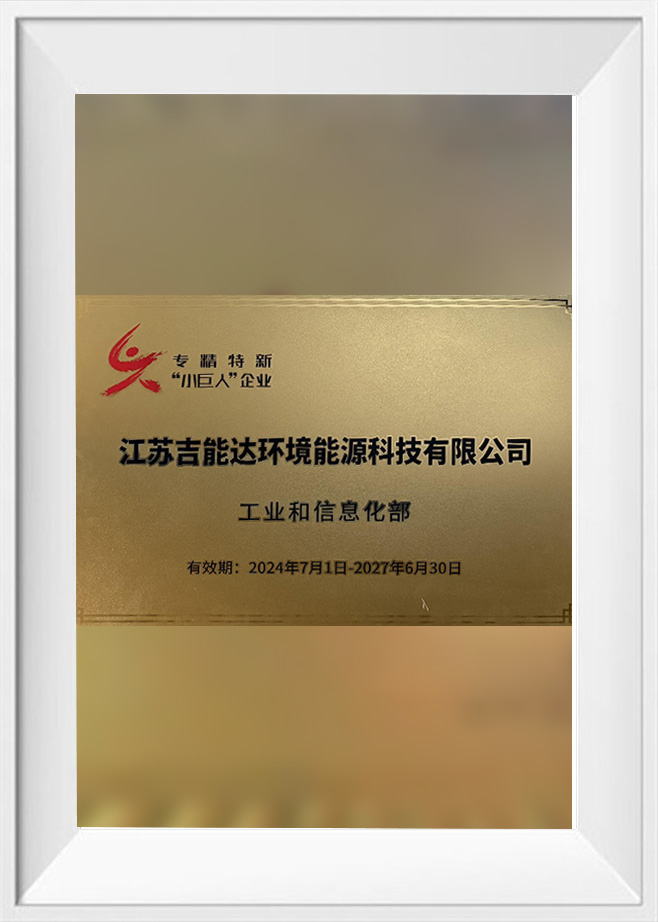
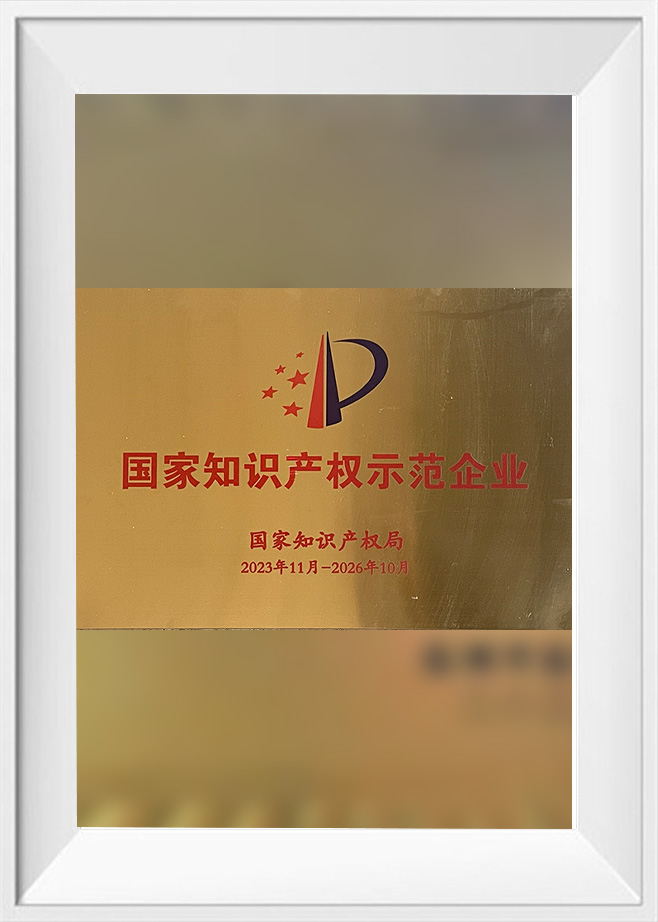
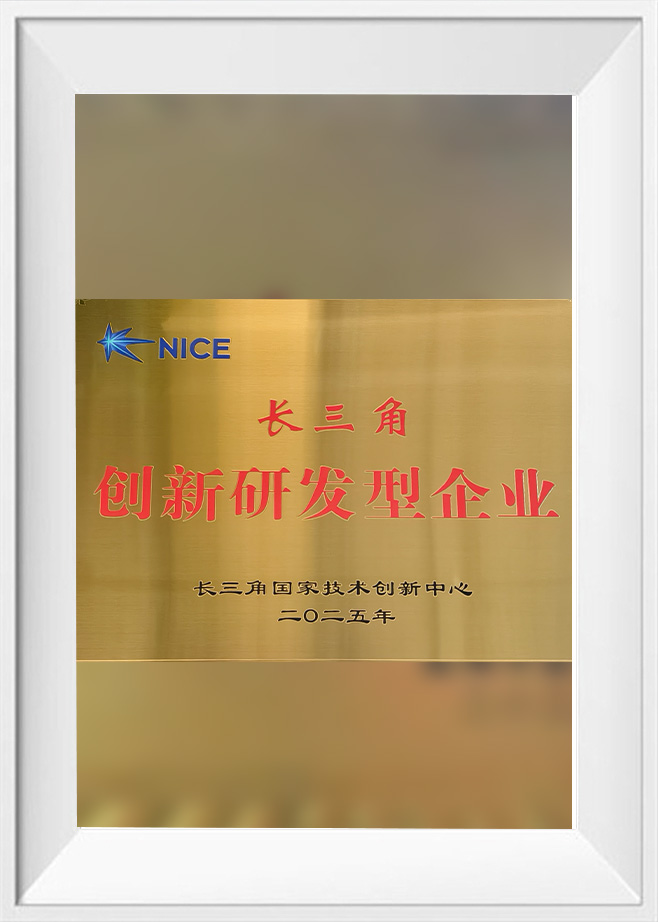
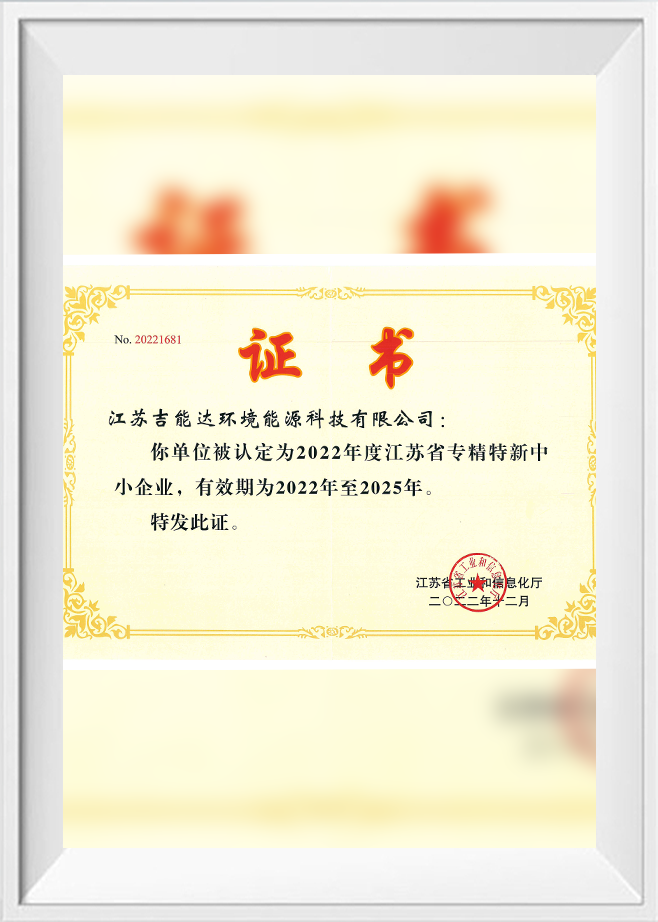
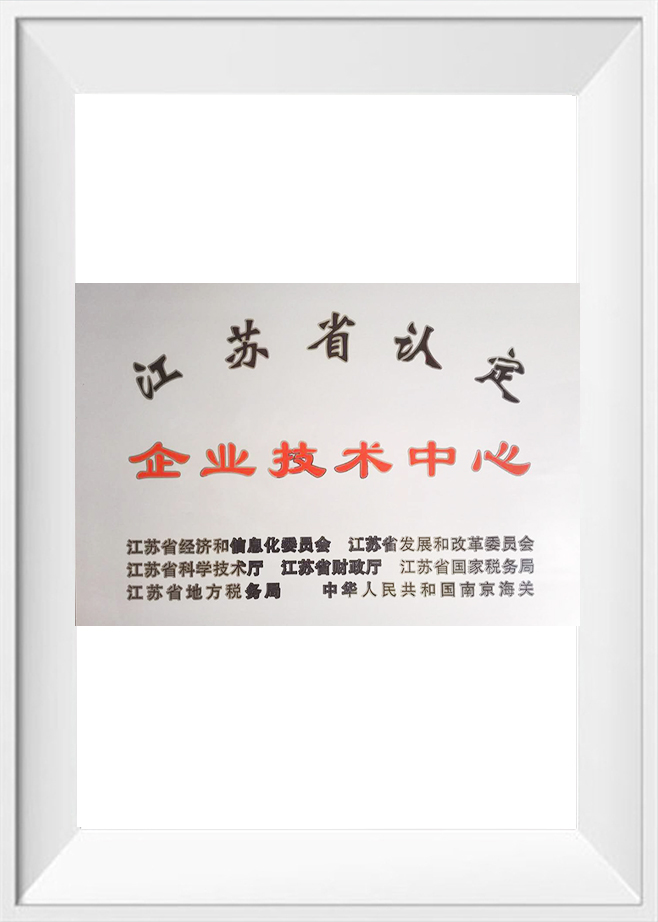
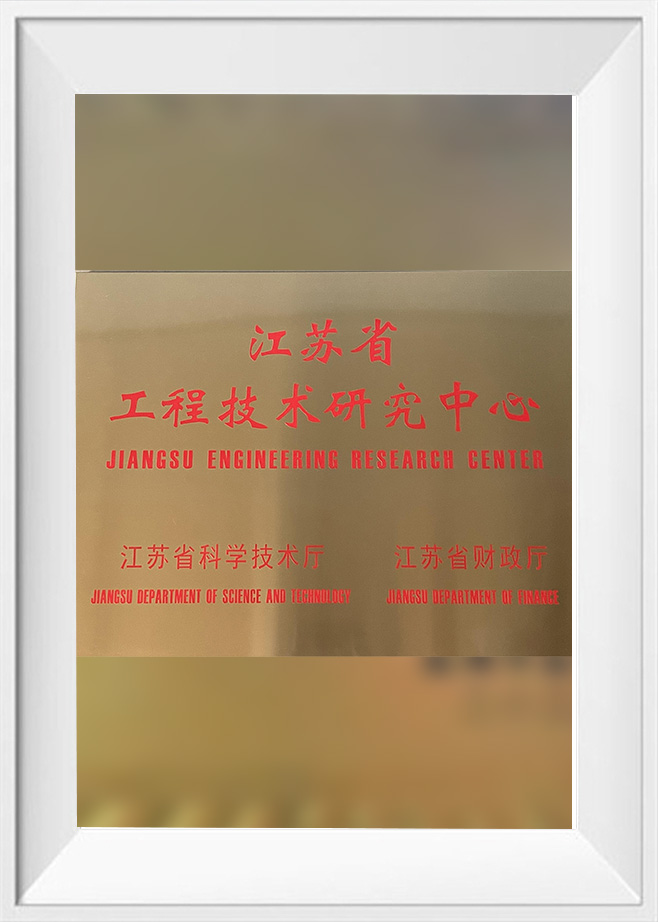
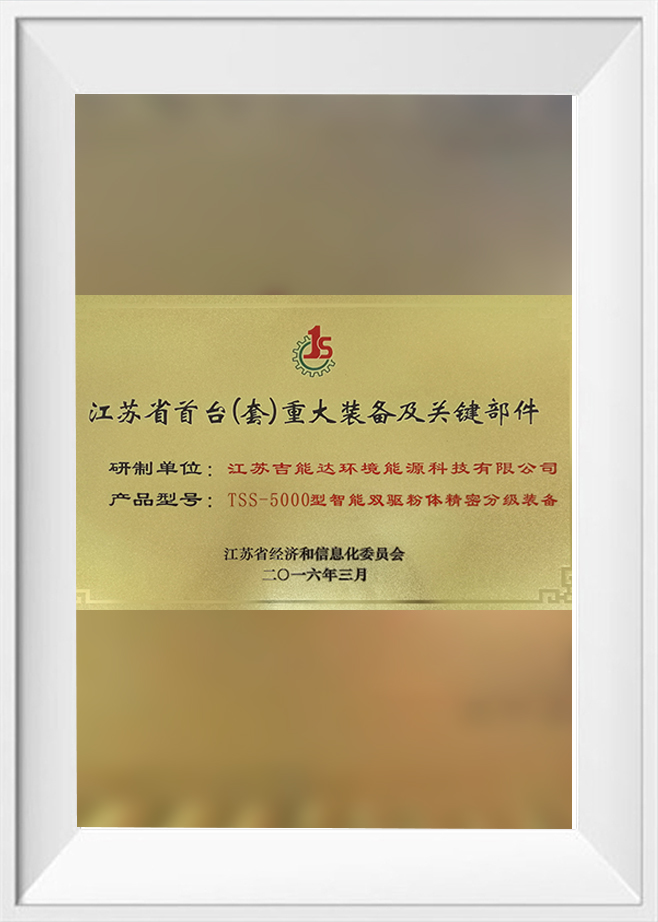
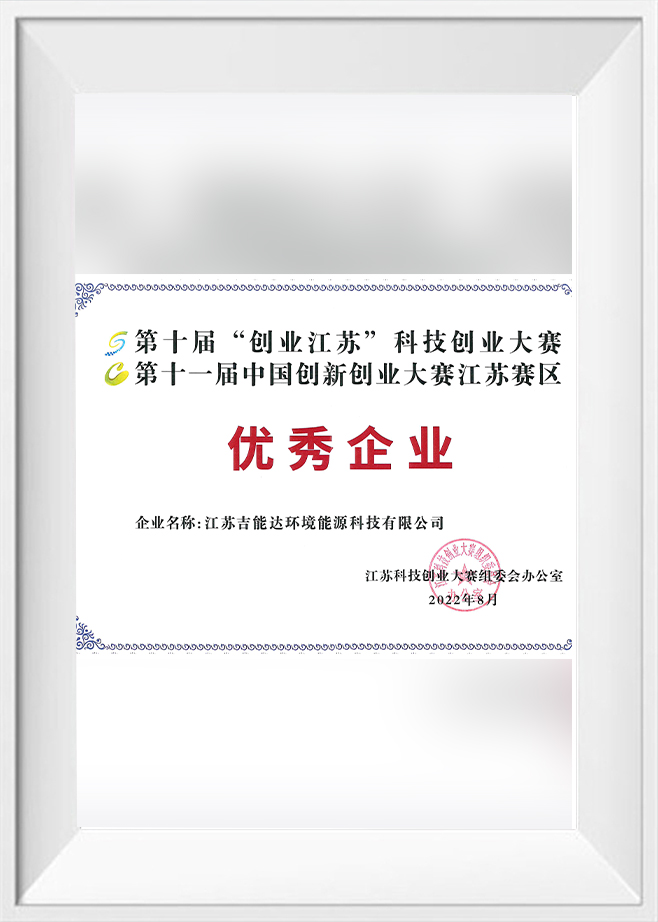
Jiangsu JND Environmental & Energy Technology Co., Ltd., founded in 2002 and based in the Yancheng National High-Tech Industrial Development Zone, is a national high-tech enterprise specializing in the integration of energy-saving and environmental protection technology R&D, equipment manufacturing and engineering contracting. With a provincial-level technology R&D center and cooperation with universities including Southeast University and Tongji University, the company applies the same engineering discipline behind its grinding and powder-separating technology to the design of reliable drying systems.
Material Flow Through the Drum
Inside an Industrial Drum Dryer, internal lifting flights lift and cascade material as the drum rotates, exposing it repeatedly to a stream of hot air or gas moving through the cylinder. This tumbling action increases contact surface area between the material and the drying medium, allowing moisture to evaporate more evenly than static drying methods.
Controlling Drum Slope and Rotation Speed
Retention time inside the drum is largely controlled by drum slope and rotation speed. A slower rotation or shallower slope extends the time material spends inside the dryer, which is useful for materials with higher initial moisture content, while faster settings suit materials that dry quickly and need higher throughput.
Advantages of Industrial Rotary Drum Dryers
Compared with static bed or tray drying systems, Industrial Rotary Drum Dryers offer several practical benefits for continuous bulk processing, summarized below.
Comparison of static bed drying and rotary drum drying for continuous bulk processing
| Aspect |
Static Bed Drying |
Rotary Drum Drying |
| Moisture Uniformity |
Uneven, depends on bed depth |
Consistent through continuous tumbling |
| Throughput Capability |
Limited to batch cycles |
Suited to continuous, high-volume operation |
| Heat Transfer Efficiency |
Limited surface contact |
Improved via constant material cascading |
| Adaptability to Material Types |
Narrower range |
Handles varied particle sizes and moisture levels |
For plants running continuous production lines, this makes a rotary drum dryer a practical fit for maintaining stable feed quality into downstream grinding or classification equipment.
Key Considerations When Selecting a Drum Dryer
- Confirm the initial and target moisture content of your material to size drum length and diameter correctly.
- Check compatibility of the heat source, whether direct-fired, indirect, or waste-heat driven, with your existing plant setup.
- Evaluate internal flight design for the specific material's flow and stickiness characteristics.
- Ensure exhaust air handling includes adequate dust capture before release.
Frequently Asked Questions
Q1: What materials are commonly processed with a Rotary Drum Dryer?
Common applications include minerals, slag, fertilizer components and various bulk industrial materials that require moisture reduction before further processing.
Q2: How is drying capacity adjusted for different production rates?
Adjusting drum rotation speed, slope angle and hot air temperature allows operators to fine-tune retention time and drying intensity to match feed rate.
Q3: Can waste heat be used to power an Industrial Drum Dryer?
Yes, many installations recover waste heat from other plant processes as the drying medium, reducing the need for dedicated fuel-fired heat sources.
Q4: What maintenance keeps a rotary drum dryer running reliably?
Regular inspection of internal lifting flights, drum seals and support rollers helps prevent uneven material flow and unplanned downtime.
Drying Equipment as Part of a Complete Processing Line
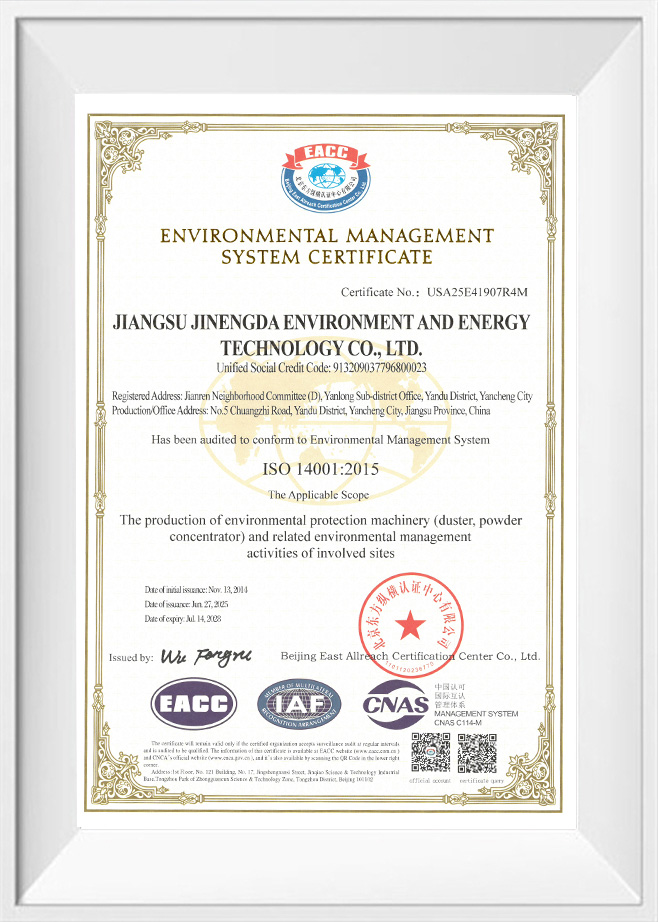
A drum dryer performs best when its heat source, airflow handling and exhaust dust control are planned together with the rest of the production line, rather than selected in isolation. This mirrors the broader engineering philosophy the company applies across its equipment range: JND states that it is committed to practicing the concept of environmental protection and creating ecological value in all its business activities, continuously optimizing its environmental management system rather than settling for minimum compliance. Extended to drying technology, this approach supports the development of Industrial Rotary Drum Dryers that balance drying performance with energy efficiency and emission control as part of one connected system.


 English
 中文简体
 русский
 Español
 عربى


 Email:ycjnd@163.com
 Telephone:+86-13770001111
 Phone:+86-515-88582588



