Jiangsu JND Environmental & Energy Technology Co., Ltd.
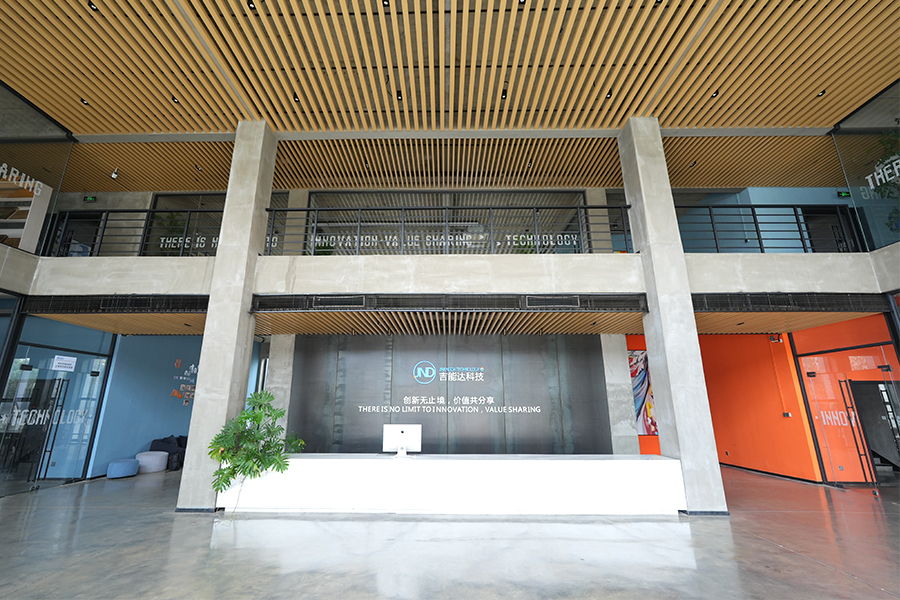
Jiangsu JND Environmental & Energy Technology Co., Ltd., founded in 2002 and located in Yancheng National High-Tech Industrial Development Zone, China, is a national high-tech enterprise specializing in the integration of energy-saving and environmental protection technology R&D, equipment manufacturing, engineering general contracting and related services for industries such as electric power, chemical engineering, cement and iron & steel.
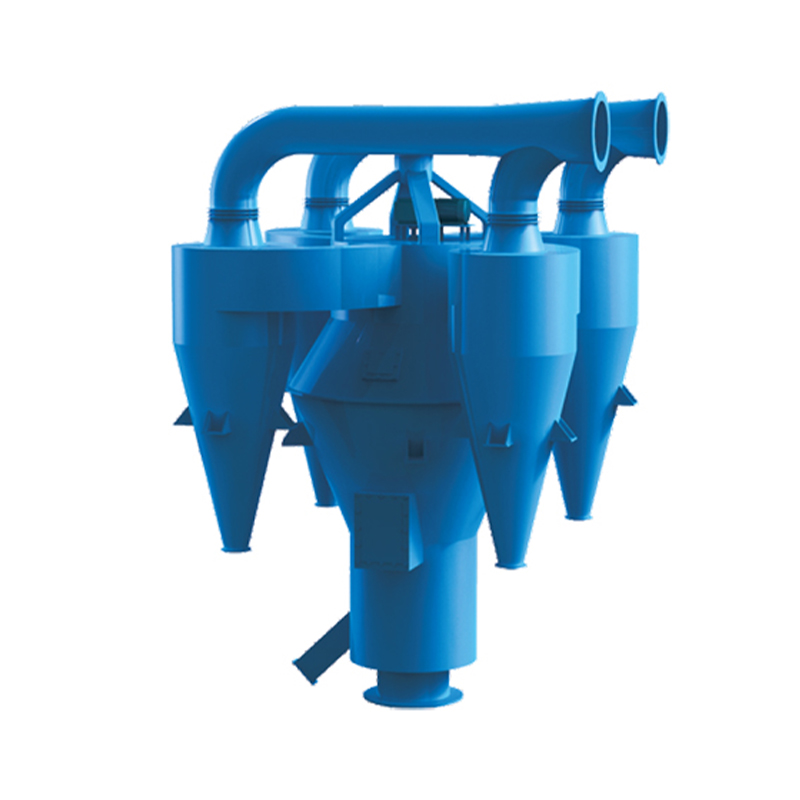
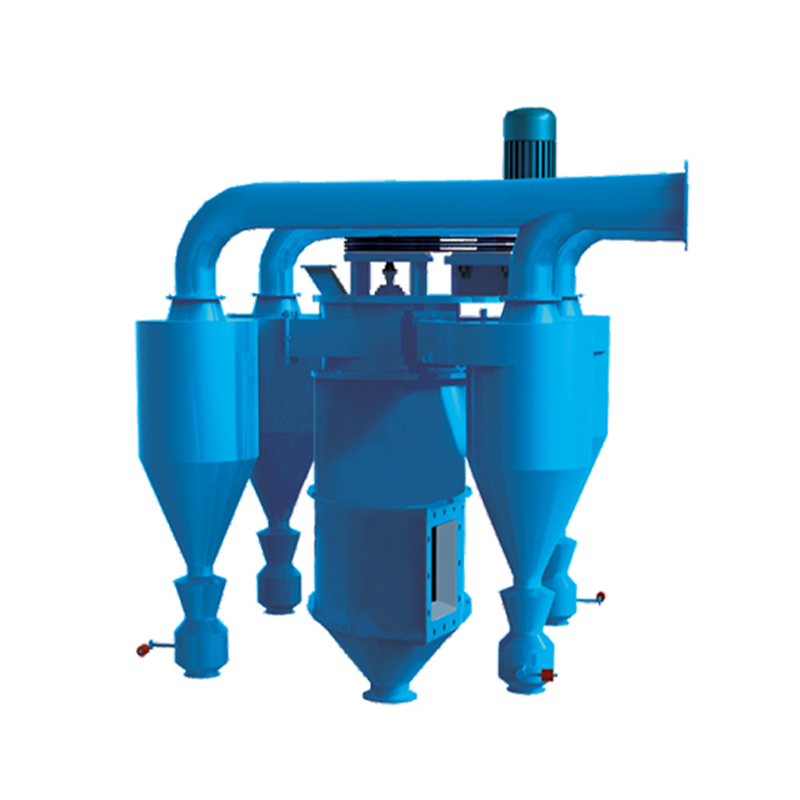
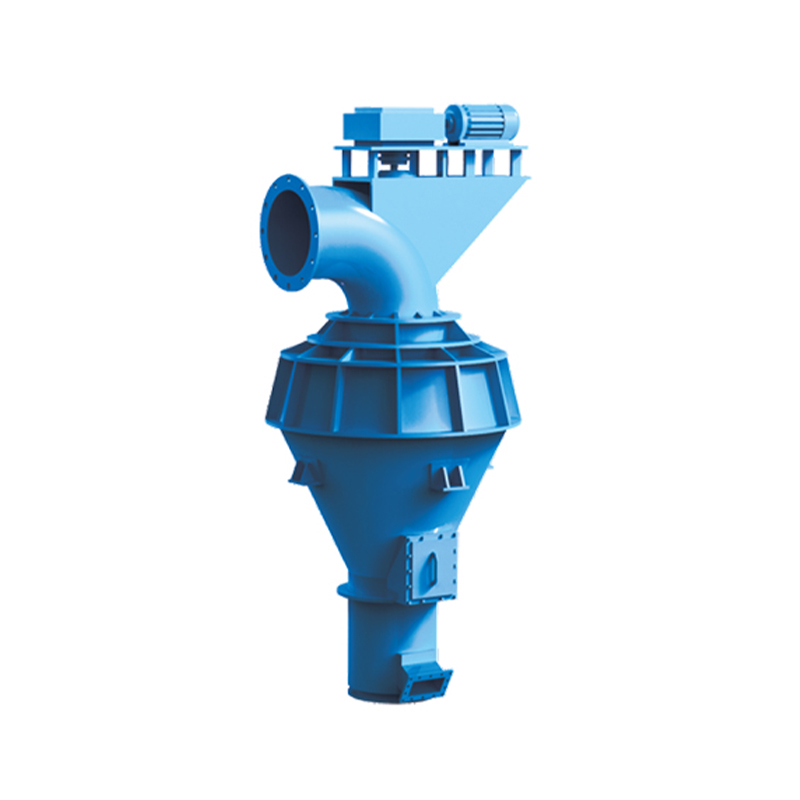
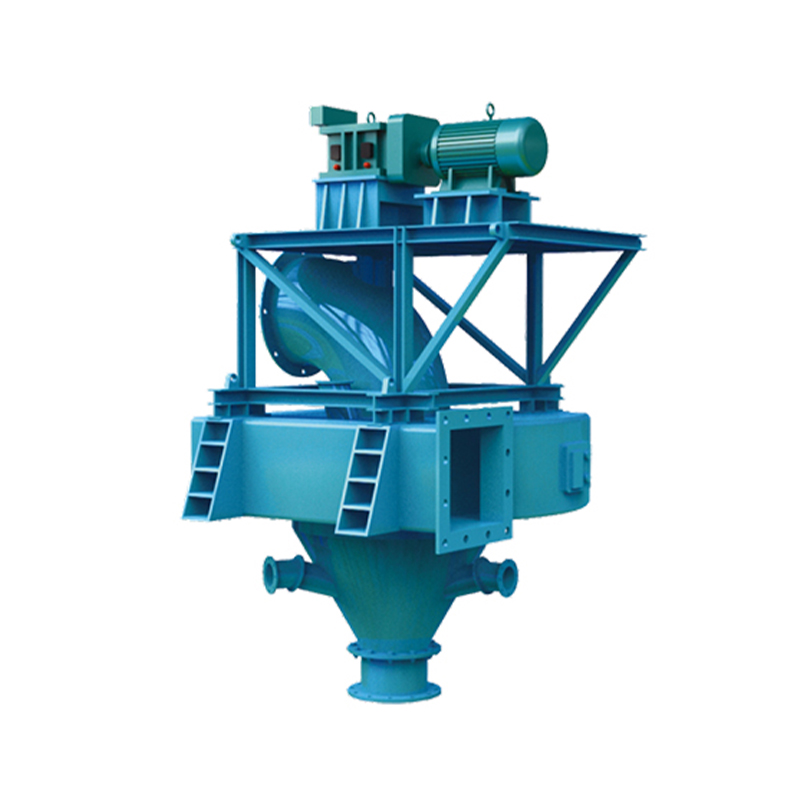
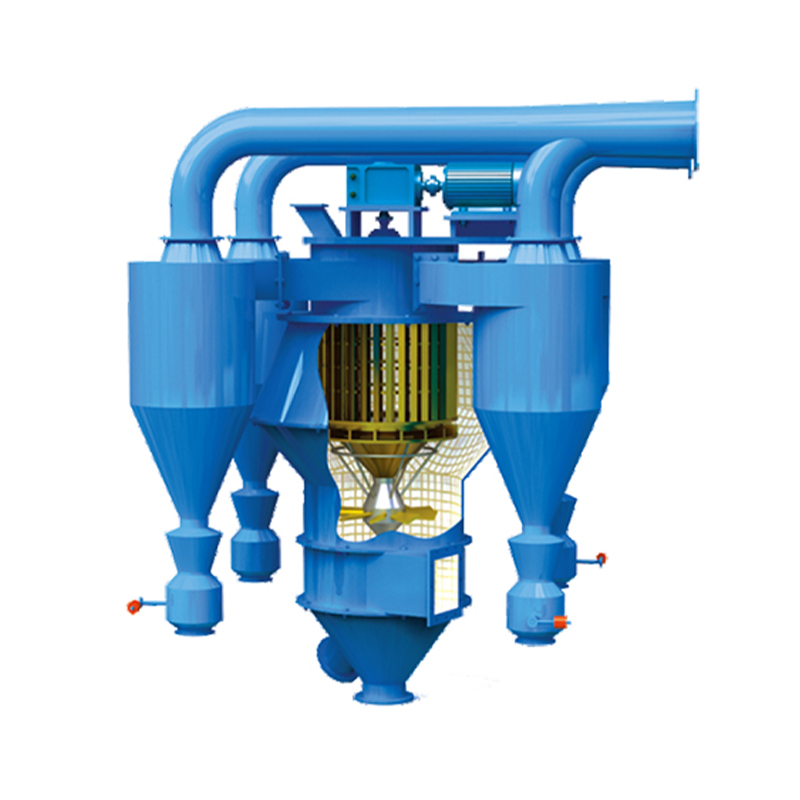
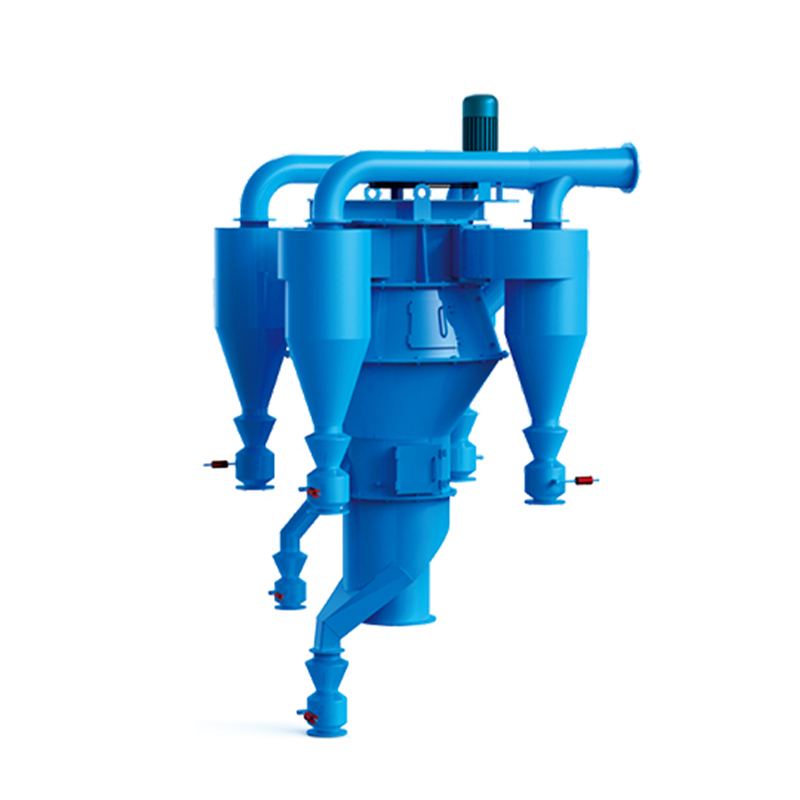
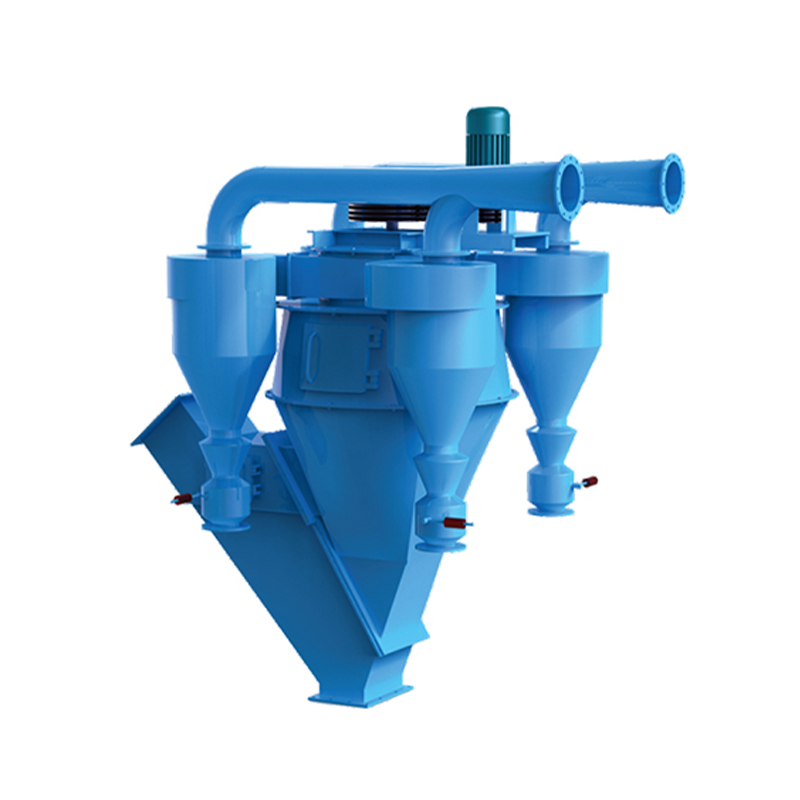
As a professional Combined powder classifier supplier in China, We offer various types of custom-made industrial environmental protection equipment.
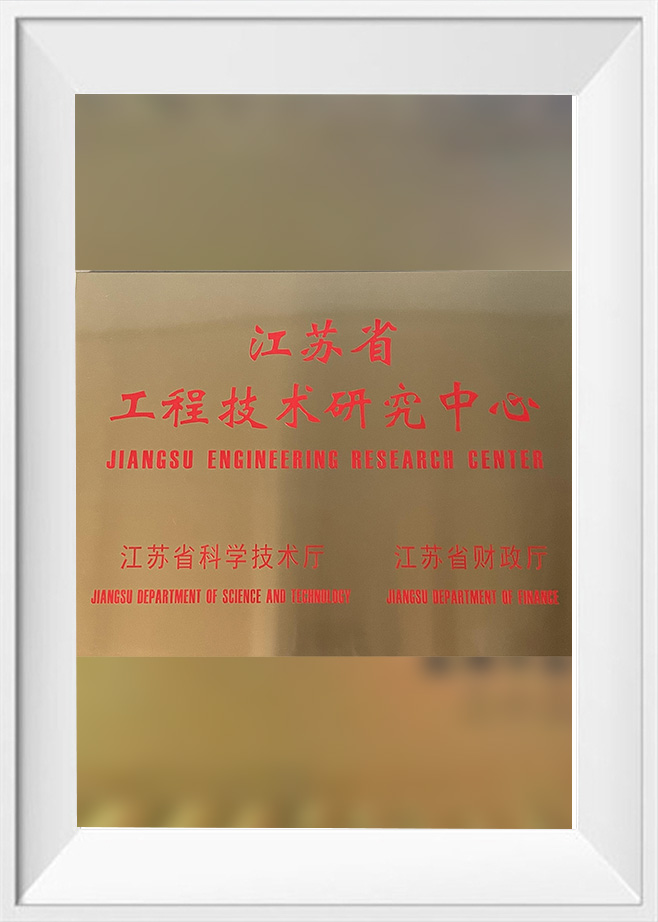
Adhering to the core corporate values of "Innovation Knows No Bounds, Value Is Shared by All", the company has established a provincial-level technology R&D center and a sound R&D system. It has also built long-term, friendly, open and win-win cooperative relationships with many universities including Southeast University and Tongji University (Shanghai), realizing the integration of industry, academia and research. The company takes a leading position in the field of grinding and powder-separating technology.
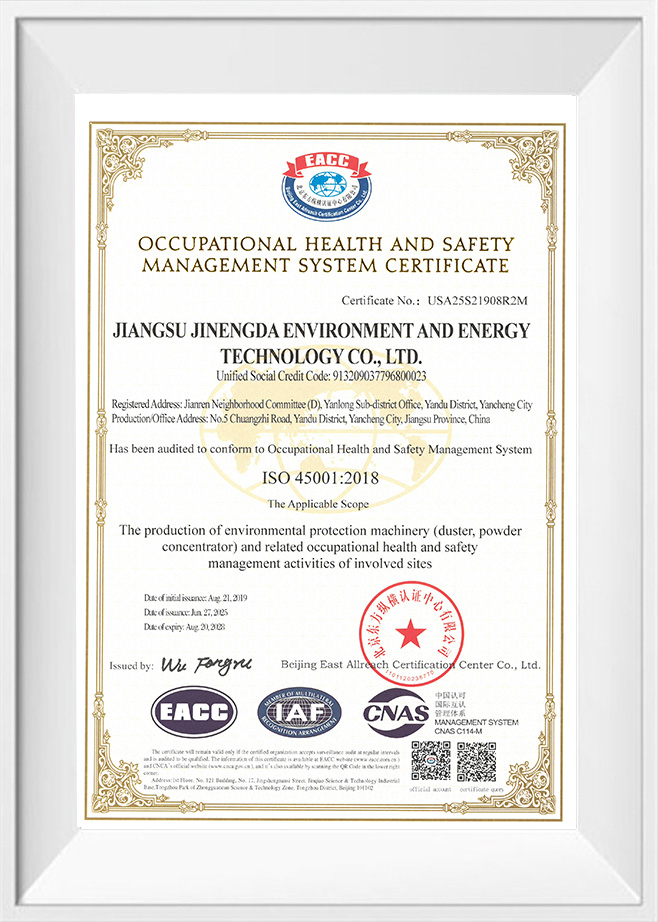
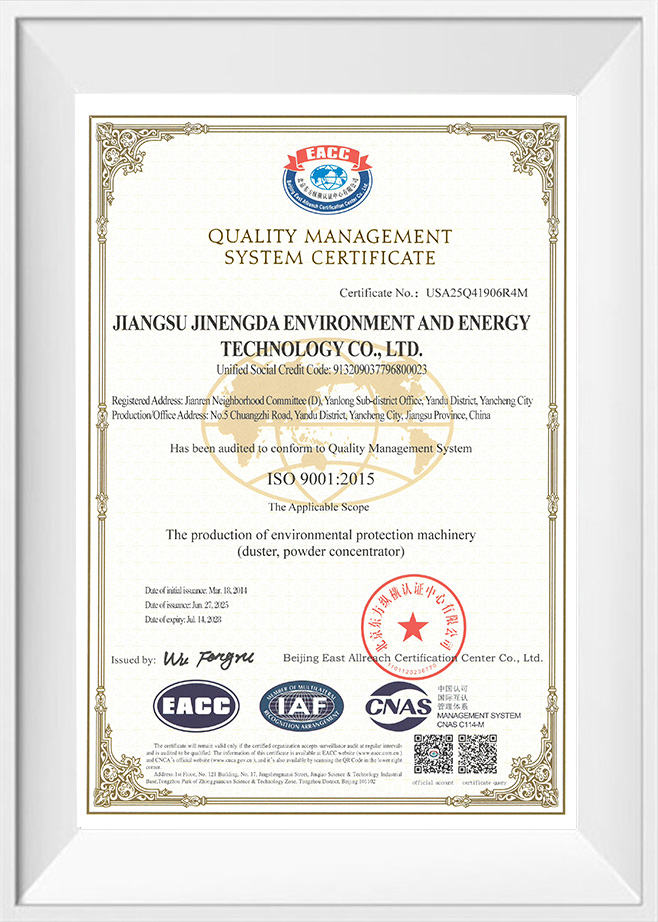
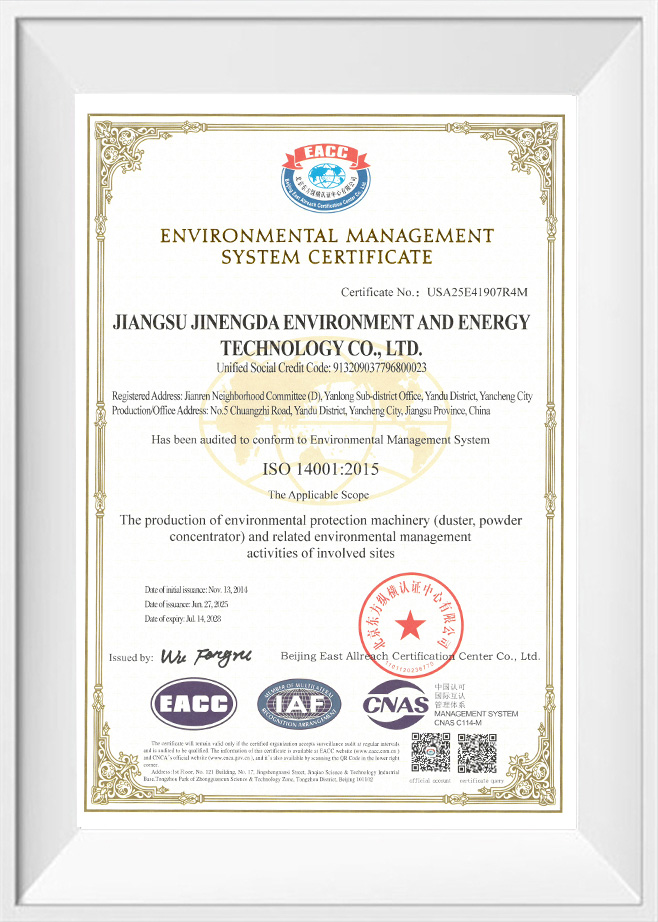
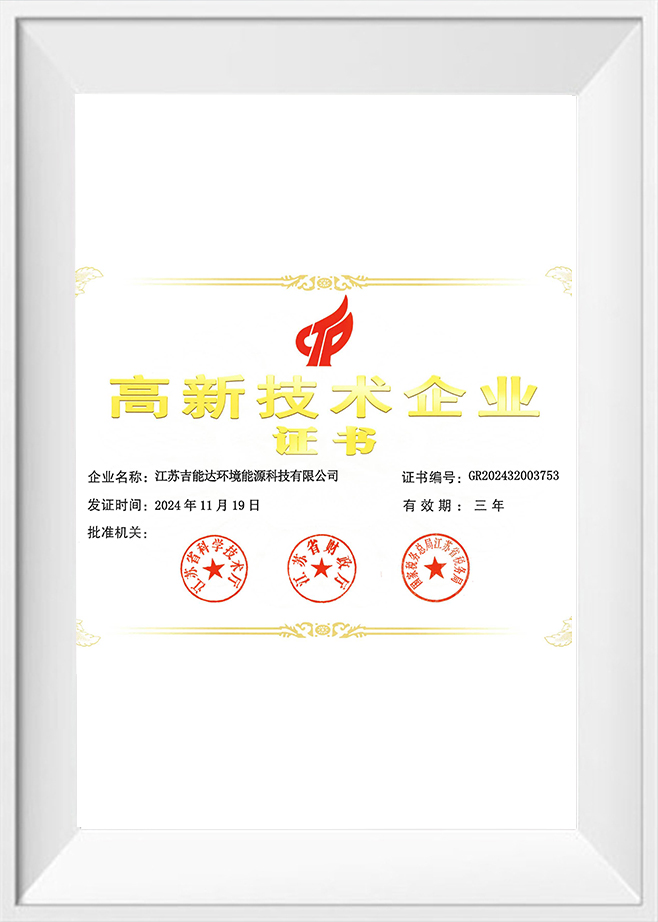
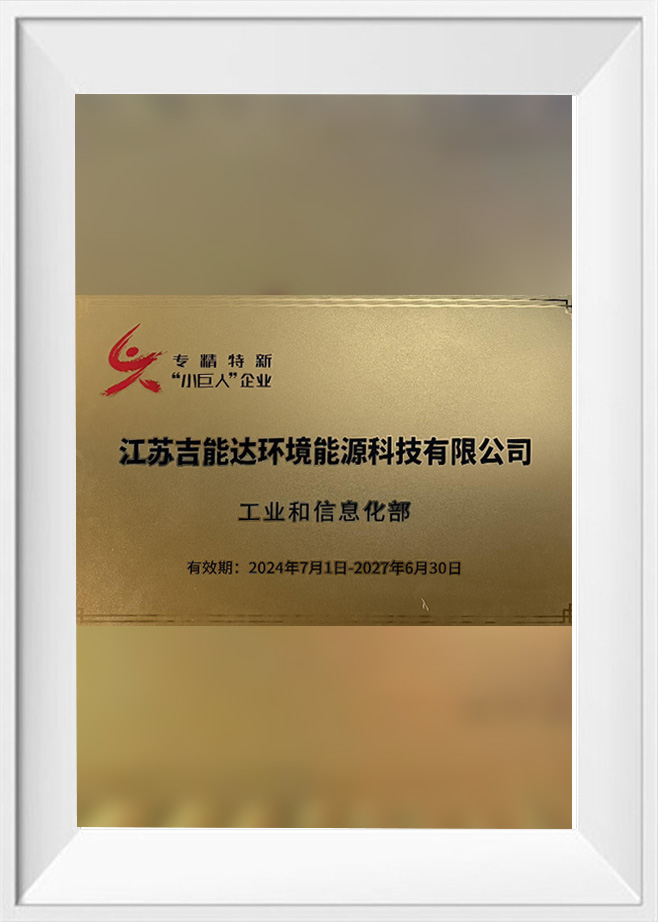
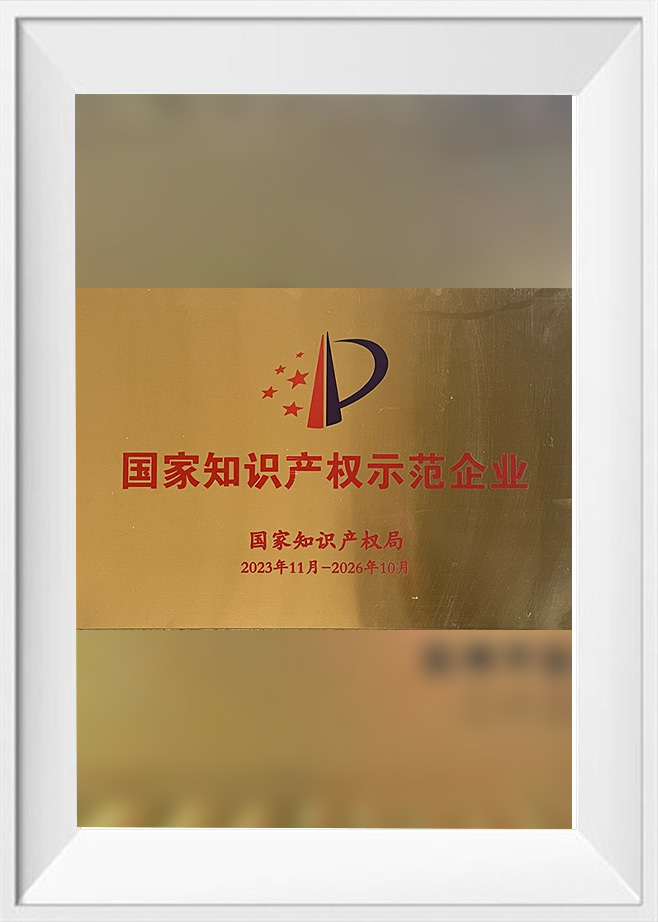
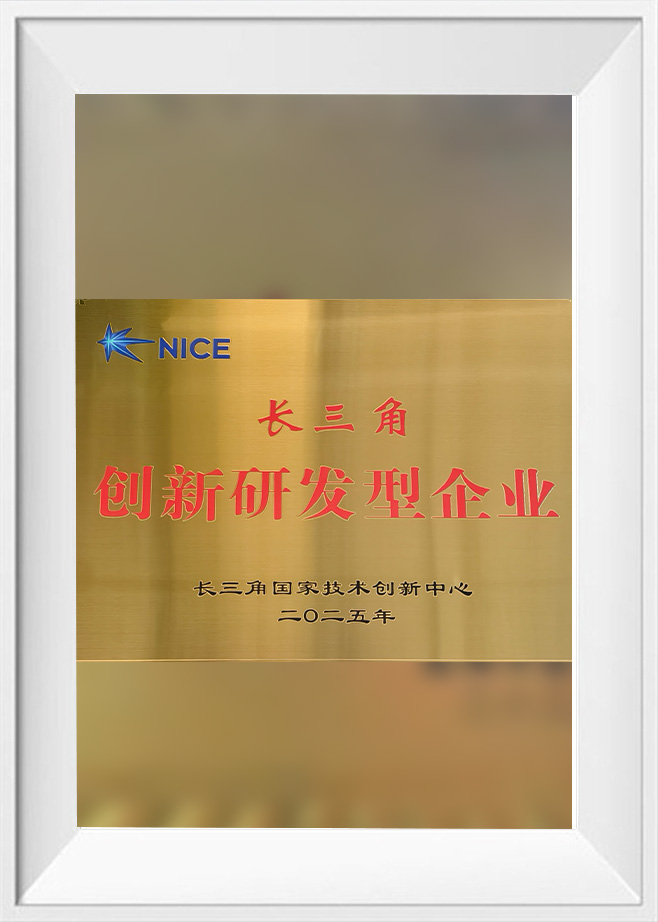
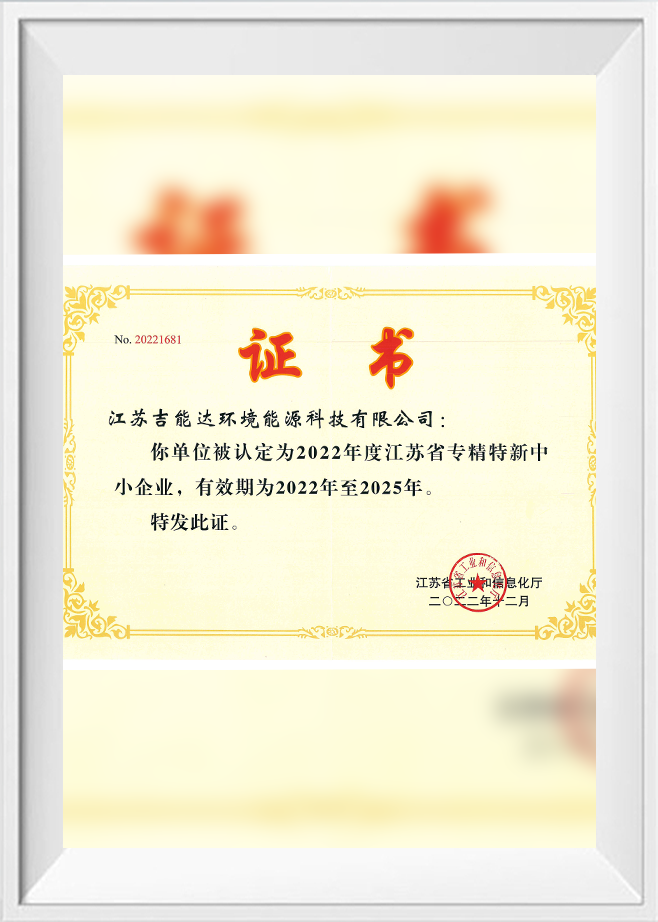
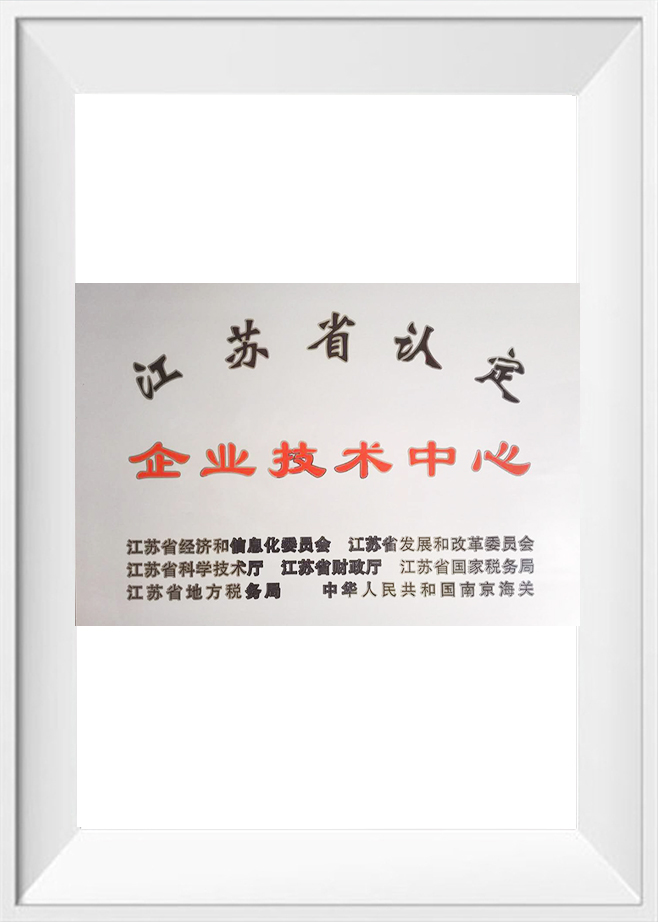
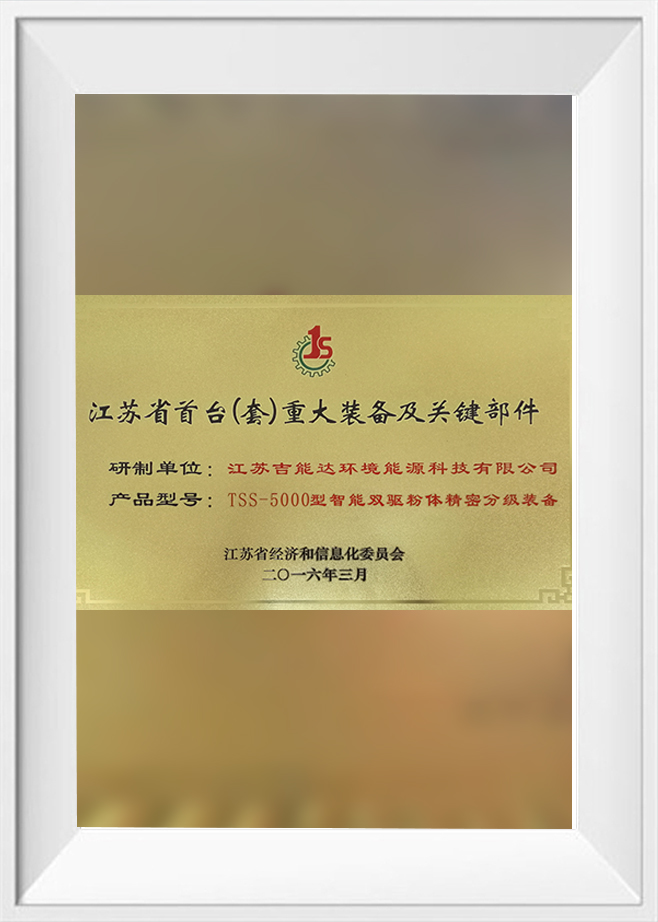
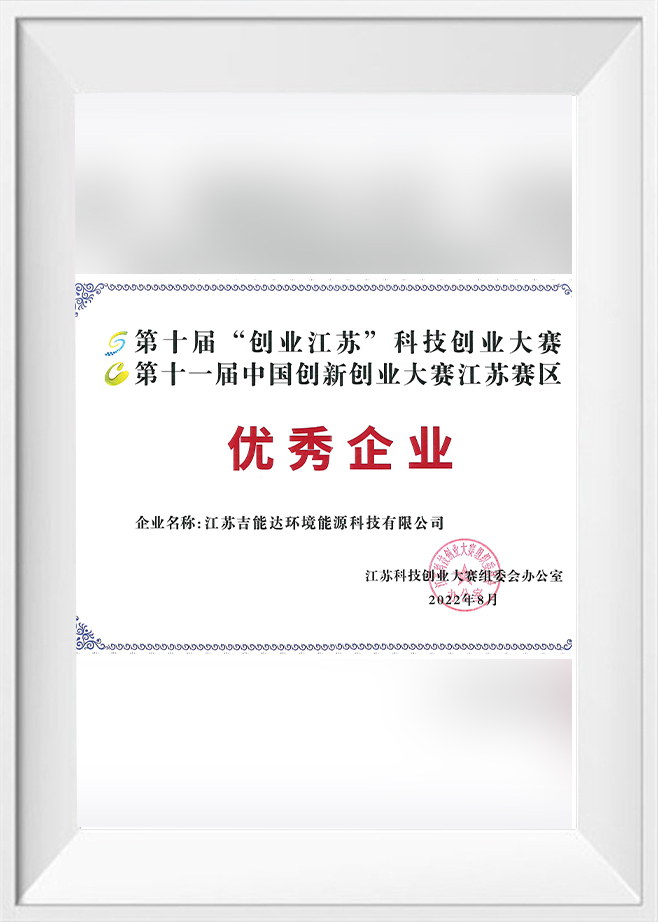
Always centered on its mission and vision, the company continuously strengthens technological innovation and management innovation to achieve sustainable corporate development. It has successively obtained three certifications, namely the ISO 9001 International Quality Management System, ISO 14001 Environmental Management System, and OHSAS 18001 Occupational Health and Safety Management System, and has been recognized as a "National High-Tech Enterprise". For consecutive years, it has been awarded qualifications and honors such as "Jiangsu Provincial AAA-Level Enterprise Observing Contracts and Valuing Credit", "Jiangsu Provincial Private Technology- Based Enterprise", "Top 10 Enterprises with Independent Innovation Capability in Jiangsu Province", and "Jiangsu Provincial Enterprise Technology Center". After 18 years of unremitting efforts, it has become a leading enterprise in the building materials and environmental protection equipment industry.
In the future, Jinengda will continue to be committed to leading the development of the environmental protection industry and addressing the ever-evolving challenges in the environmental protection field.


 English
 中文简体
中文简体 русский
 Español
 عربى
عربى

 Email:ycjnd@163.com
 Telephone:+86-13770001111
 Phone:+86-515-88582588


