Wholesale T-SEPAX three-separation powder classifier
Home / Equipment / Classification Equipment / T-SEPAX three-separation powder classifier
T-SEPAX three-separation powder classifier
  • T-SEPAX three-separation powder classifier

T-SEPAX three-separation powder classifier

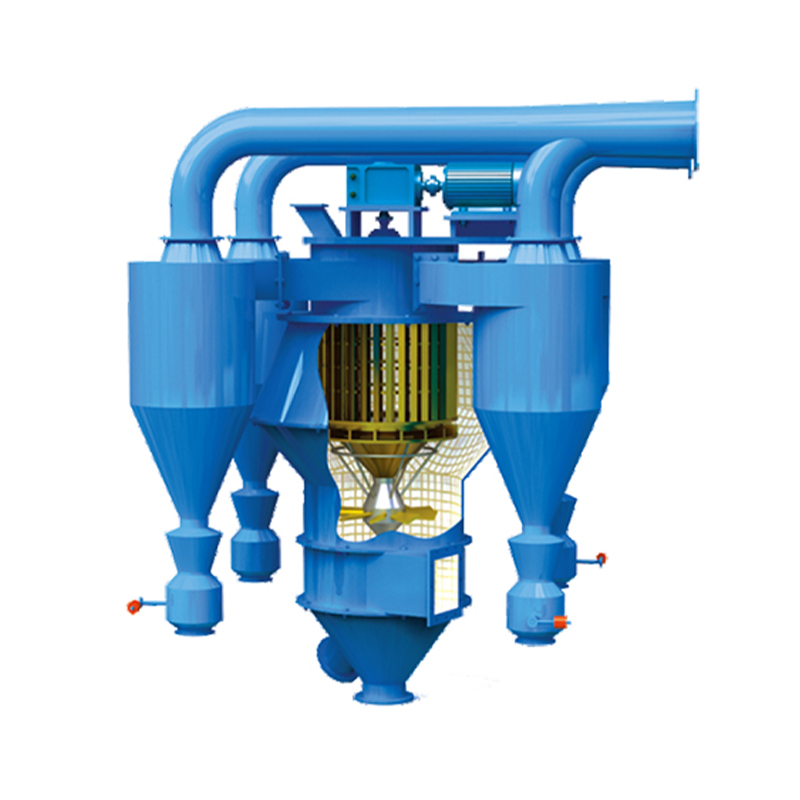
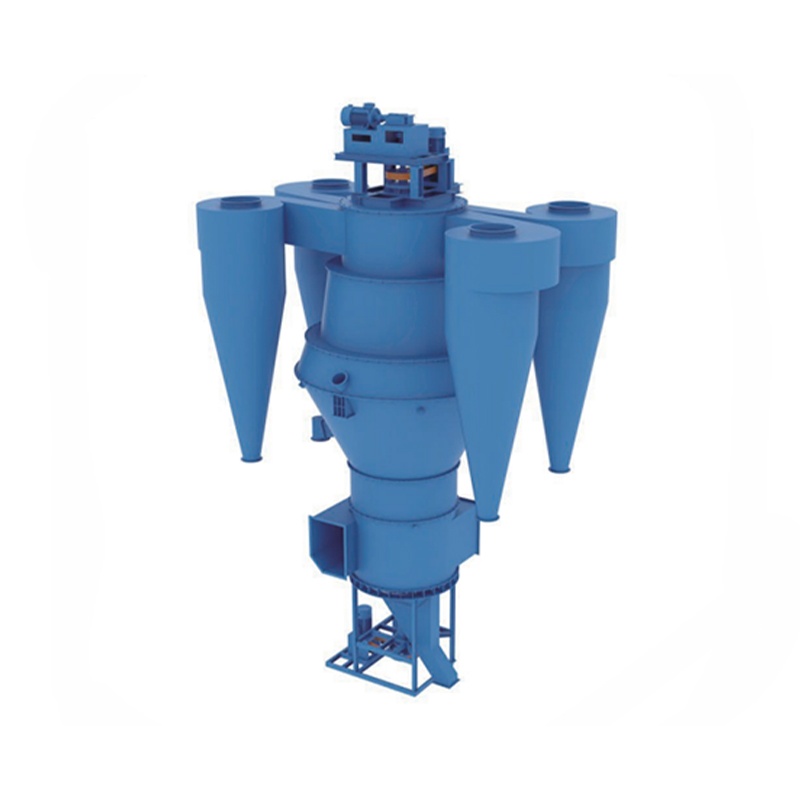
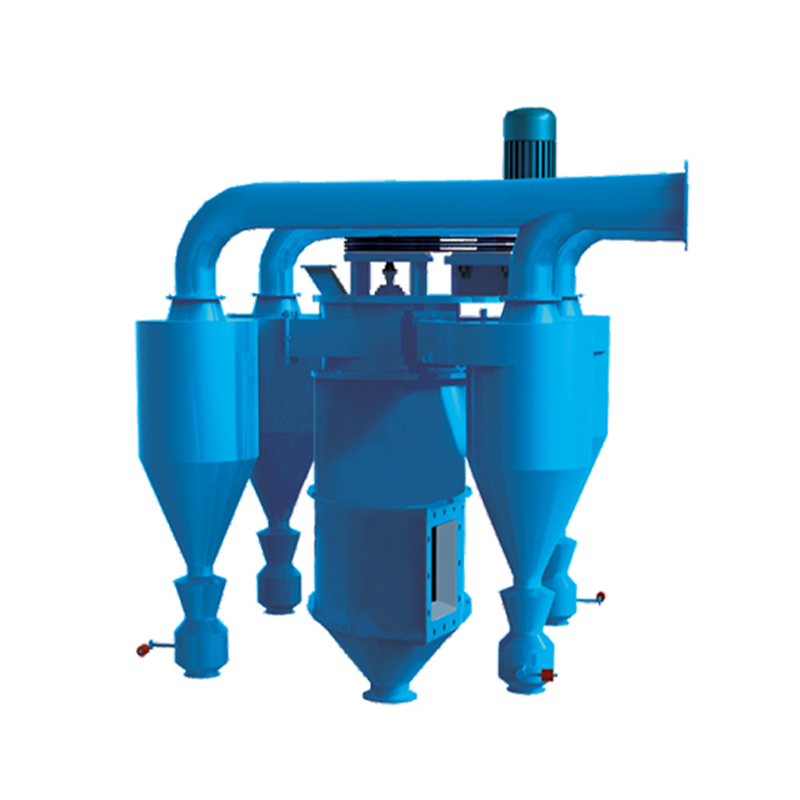
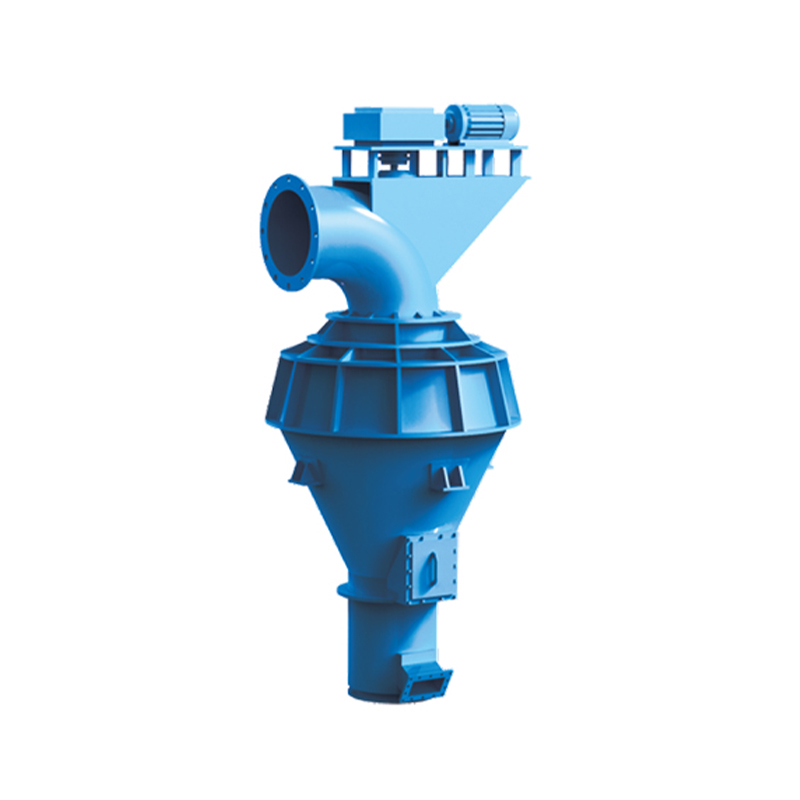
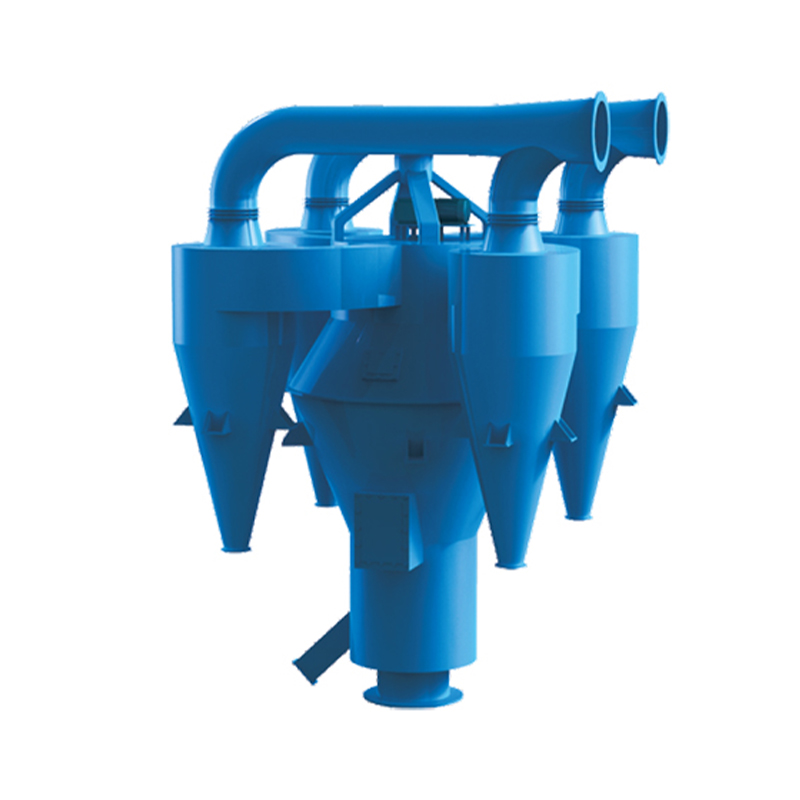
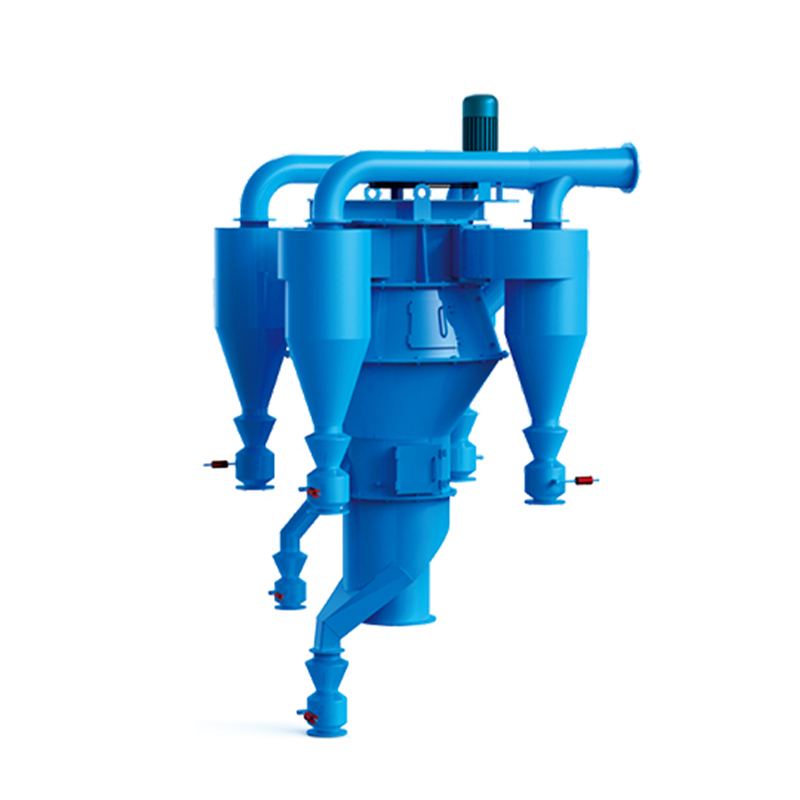
The T-Sepax high-efficiency three-separation classifier is a technological product with independent intellectual property rights, developed jointly with Nanjing University of Technology and Yancheng Institute of Technology, based on the principle of international classifier separation using aerodynamic analysis methods. It combines the classification advantages of the O-Sepa classifier with the positive pressure operation of traditional classifiers, using four cyclone dust collectors to collect the finished product. Its rational internal structure and high classifying efficiency transcend the conventional closed-circuit grinding system's two-stage separation of coarse and fine powders, separating the material into three distinct categories: coarse, medium-coarse, and fine.

Feed Particle Size: ≤0.5mm

Production Capacity: 10-260t/h

Applications: Cement grinding, new materials, dry mortar, ceramics, rubber, oil extraction, aerospace, etc.

Applicable Materials: Cement, calcium-based powder, silica powder, titanium dioxide, silica powder, iron ore, limestone, quartz stone, construction waste, iron ore, gold ore, etc.


send inquiry
Product AdvantagesWorking PrincipleTechnical Specifications

Product Advantages

Compared to traditional powder separators, the T-Sepax high-efficiency three-separation powder separator offers the following significant advantages:

  1. The T-Sepax high-efficiency three-separation powder separator utilizes two-stage separation and three-stage dispersion, separating materials into three categories: coarse powder (d > 150 μm), medium-coarse powder (60 μm < d < 150 μm), and fine powder. The primary separation zone pre-separates coarse particles from the mixed powder and collects them in a coarse powder cone. The secondary separation zone is a precise classification zone, completing the classification within the annular area formed by guide vanes and a vertical cage rotor. This pre-separation of coarse particles eliminates interference from coarse particles, resulting in high classification accuracy and a separation efficiency exceeding 85%.
  2. Compared to similarly sized centrifugal, cyclone, and rotor-type powder separators, the T-Sepax high-efficiency three-separation powder separator offers significantly higher throughput, making it more suitable for large-scale production. Its rational structure allows for wide variations in the separation air volume, output, and feed rate without affecting separation efficiency, resulting in highly stable classification performance.
  3. Its classification principle is excellent. Combining multiple powder selection principles and employing aerodynamic analysis, the entire flow field design has been optimized, significantly reducing equipment resistance, improving powder selection efficiency, and significantly reducing energy consumption. The classifier rotor is equipped with a patented eddy current rectifier. The airflow within the rotor rises relative to the rotor, not rotating, resulting in a uniform and stable flow field on the classifying ring surface: the relative error in airflow at any point is less than 5%. Once the airflow enters the rotor, its momentum reduces the force exerted on the rotor, saving drive power and reducing wear.
  4. The classifier utilizes stepless speed regulation. Fineness adjustment is convenient, sensitive, reliable, and has a wide adjustment range.
  5. The spatial dimensions of the classifying and lifting zones have been redesigned. The T-Sepax high-efficiency three-separation classifier boasts a compact design and is suitable for closed-circuit grinding systems consisting of any grinding equipment. It is suitable for open-flow mill conversions, single-circuit mills, and double-circuit mills, and is particularly suitable for semi-final and final grinding systems with roller presses. 6. Highly abrasive parts of the classifier, such as the spreading plate, cyclone, snail horn, air guide vanes, and rotor, are made of wear-resistant materials or treated with anti-wear technology, resulting in extremely low wear rates. The classifier chamber is lined with a new manganese plate, effectively extending its service life.
  6. The main shaft lower bearing seal utilizes a new design, effectively addressing two major issues: dust ingress and lubricant oil leakage, thereby significantly extending the service life of the lower bearing.
  7. The classifier foundation utilizes mechanical vibration reduction principles to ensure that the resonant frequency between the classifier and foundation is not close to the classifier's natural frequency, thus overcoming resonance and fundamentally resolving the classifier vibration issue that has long plagued manufacturers.
  8. The coarse, medium, and fine powder pipes all utilize double interlocking air valves, significantly reducing system air leakage and overcoming the high dust emission associated with conventional classifiers.

Working Principle

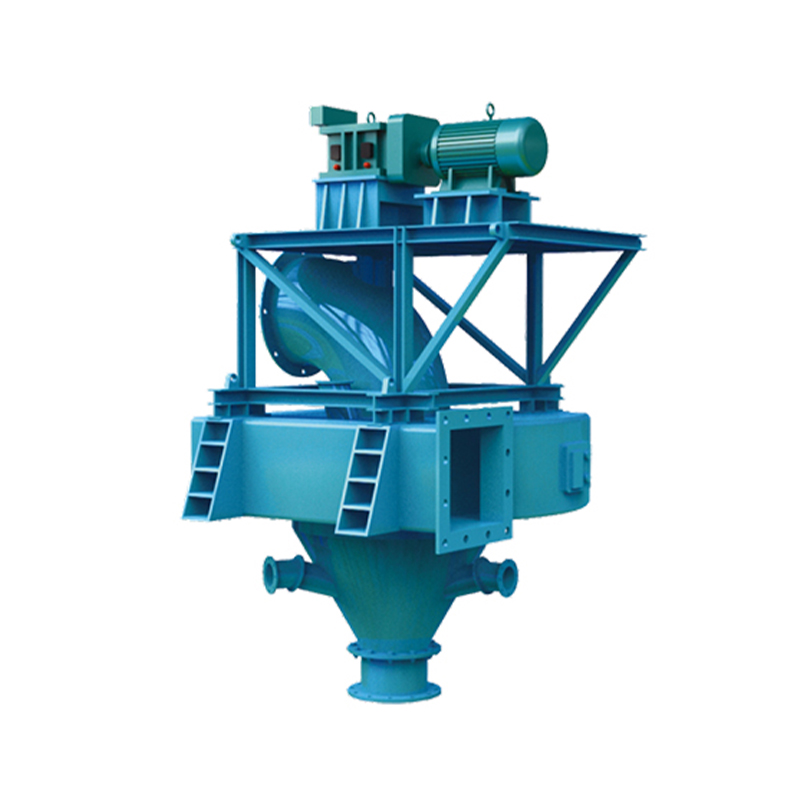
During operation, a speed-controlled motor drives the vertical drive shaft through a transmission mechanism. Material enters the classifier through the feed port at the top of the classifier. It then flows through a pipe located between the upper and lower cones of the medium-coarse powder collection cone and falls onto the spreading tray. The spreading tray rotates with the vertical drive shaft, evenly distributing the material due to centrifugal force. The dispersed material is then subjected to high-speed airflow from an external fan that enters the classifier through the air inlet. The coarse and heavy particles in the material are thrown toward the inner walls of the classifier due to centrifugal force. After impacting the material, they lose kinetic energy and slide down the wall, landing in the coarse powder collection cone. The remaining particles are swept up by the swirling, rising airflow. Passing through the active area of the large blades, they are struck by the blades, throwing some of the coarse particles onto the inner walls of the classifier. After impacting the walls, they lose kinetic energy and slide down the wall, landing in the coarse powder collection cone.

After passing through the large blades, the medium-coarse and fine powders continue to rise, driven by the rising airflow, through the vertical guide vanes and into the secondary classifier. The rotating cage rotor creates a strong and stable planar vortex in the dust-laden airflow, which centrifugally throws the medium-coarse powder toward the vertical guide vanes, where it loses kinetic energy and falls into the medium-coarse powder collection cone before being discharged through the medium-coarse powder pipe. Fine powder that meets the requirements passes through the cage rotor and enters its interior, followed by the circulating air into the low-resistance cyclone separator, before sliding into the fine powder collection cone and becoming the finished product.

Technical Specifications

Model Product fineness R0.045(%) Air volume (m³/h) Rotation speed (rpm) Motor power (kw) Maximum processing capacity (t/h) Output (t/h)
TS-CX-I (N250) 45μm square hole screen residue (0 - 10) % 10000 300 - 500 15 27 6-12
TS-CX-II (N350) 15000 280 - 500 18.5 45 10-20
TS-CX-III (N500) 21000 260 - 450 22 60 15 - 25
TS-CX-IV (N750) 30000 260 - 450 30 75 20 - 30
TS-CX-V (N1000) 45000 240 - 420 37 100 30 - 45
TS-CX-VI (N1250) 60000 240 - 420 45 140 40 - 55
TS-CX-VII (N1500) 75000 220 - 400 55 190 50 - 70
TS-CX-VIII (N2000) 90000 220 - 400 75 250 65 - 90
TS-CX-IX (N2500) 105000 200 - 380 90 320 90 - 130
Message Feedback
Jiangsu JND Environmental & Energy Technology Co., Ltd.