Why Flue Gas Desulfurization Is Central to Modern Emission Control
Combustion processes in power generation, chemical engineering, cement and iron & steel plants release sulfur dioxide as a byproduct. Flue Gas Desulfurization addresses this directly by removing sulfur oxides from exhaust gas before it is released to the atmosphere, and it remains one of the most effective and widely applied methods for controlling this particular pollutant at industrial scale.
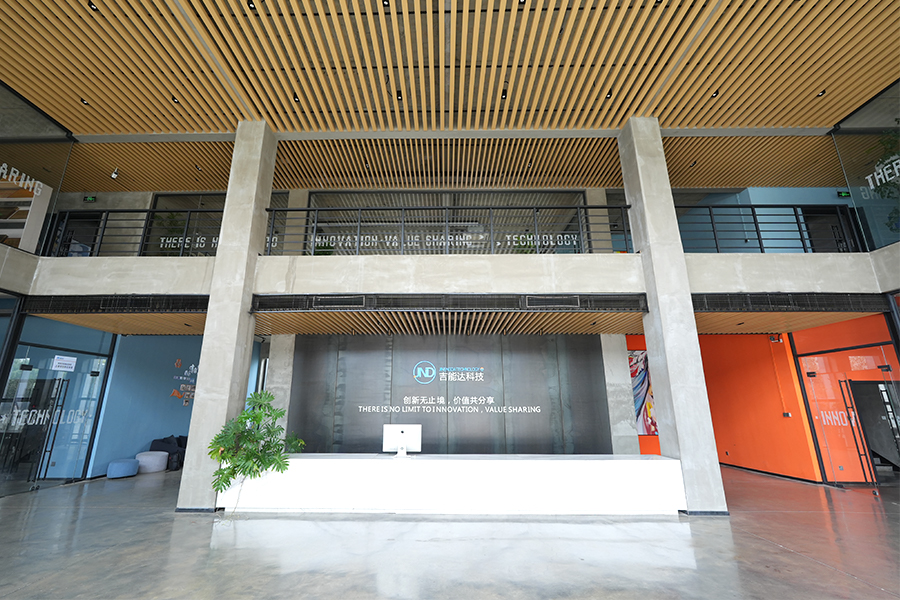
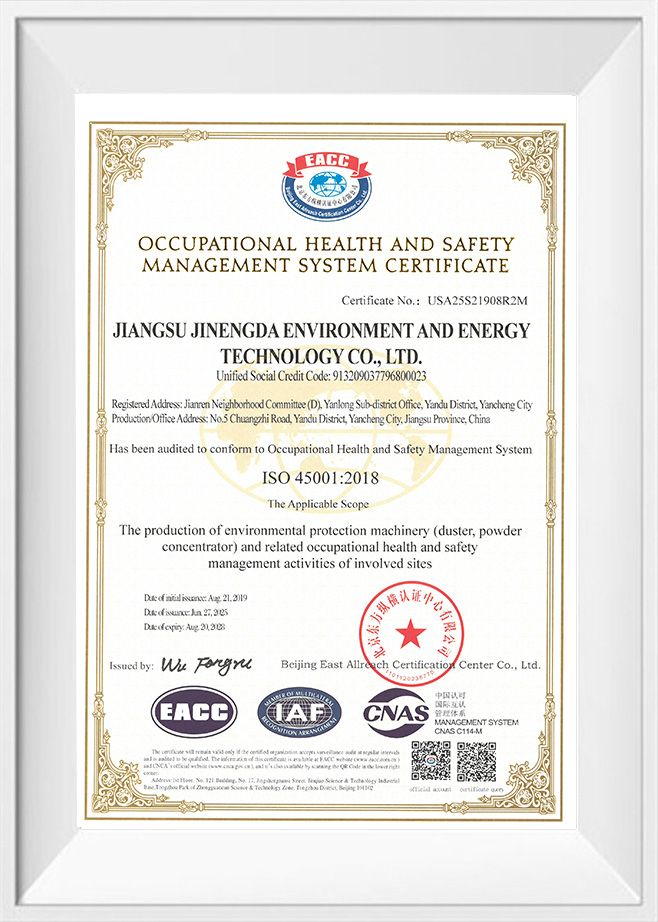
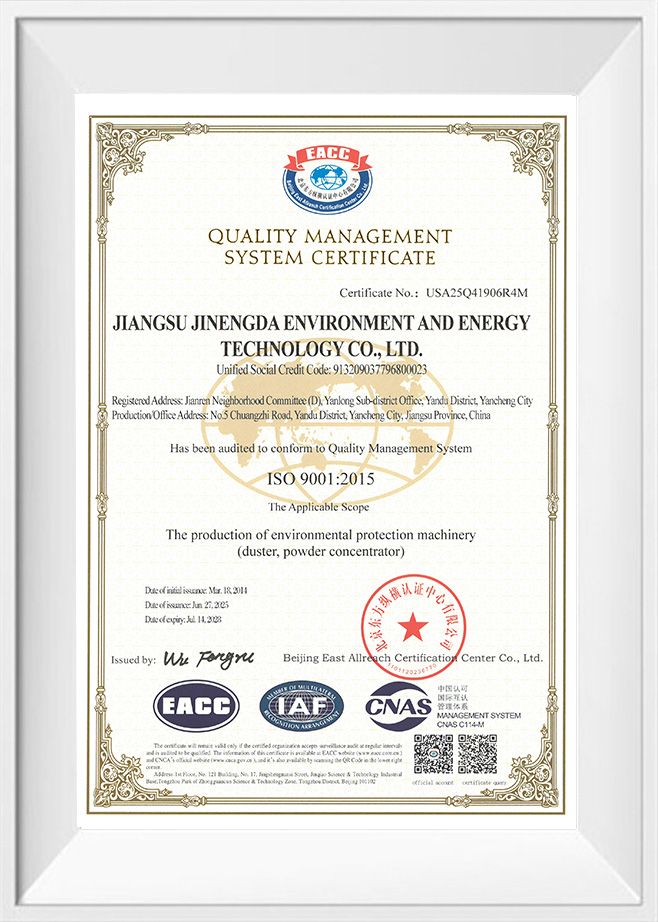
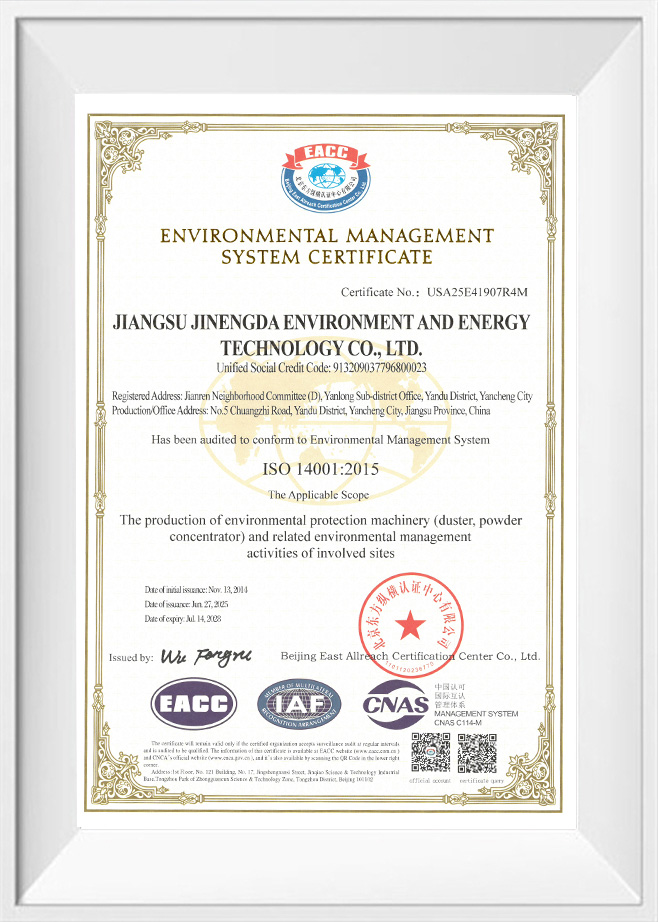
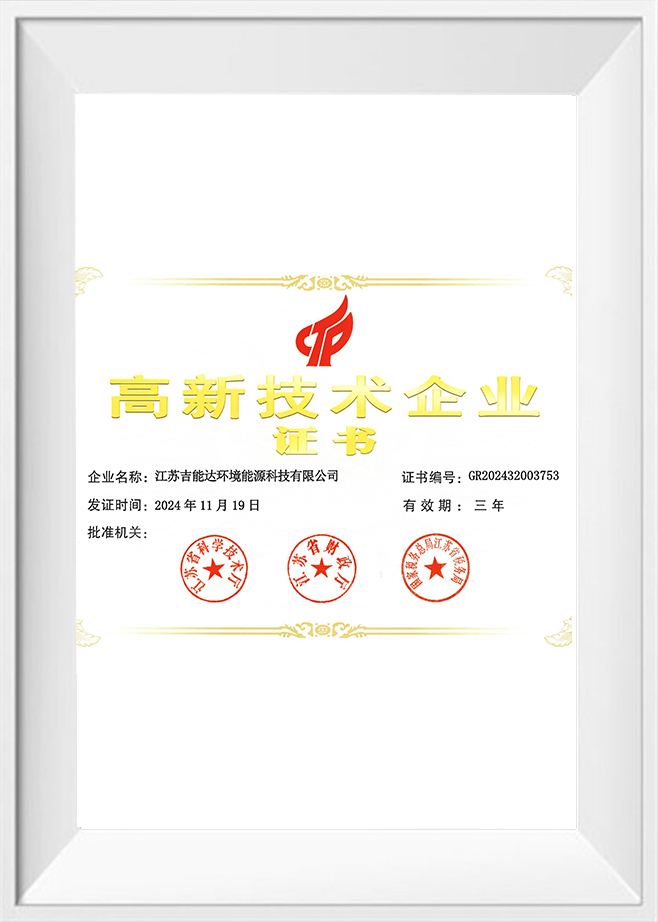
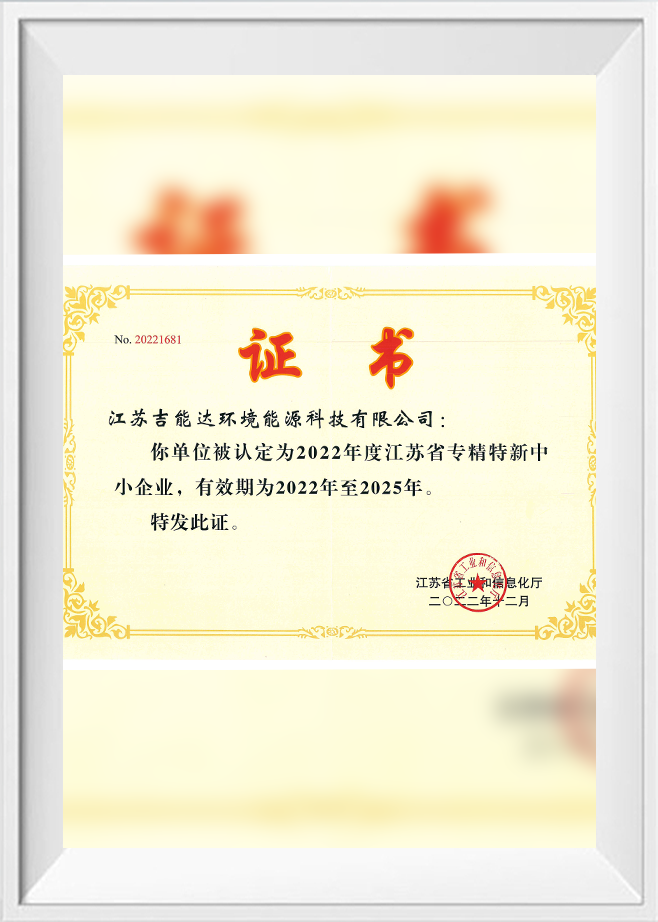
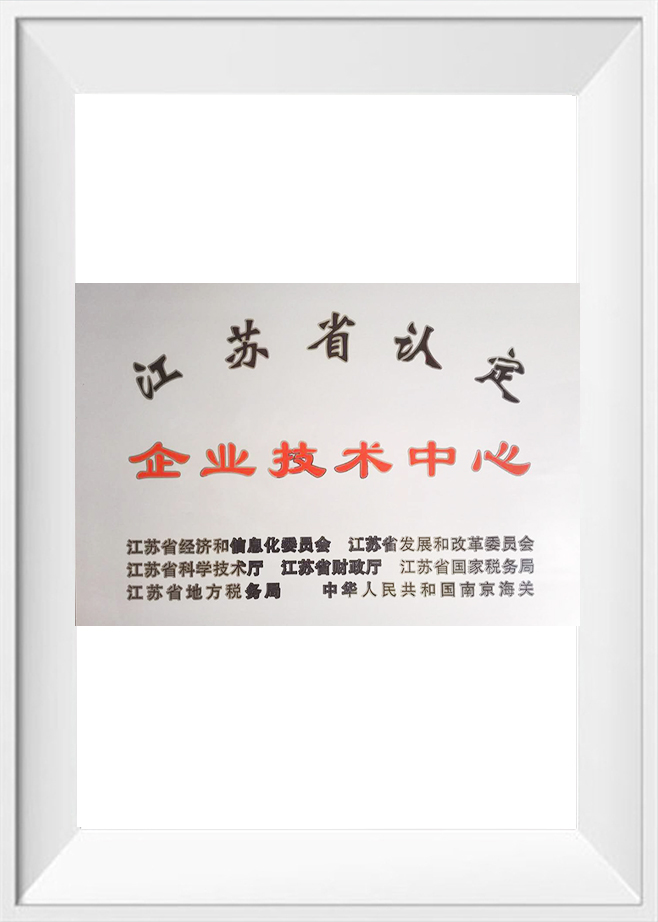
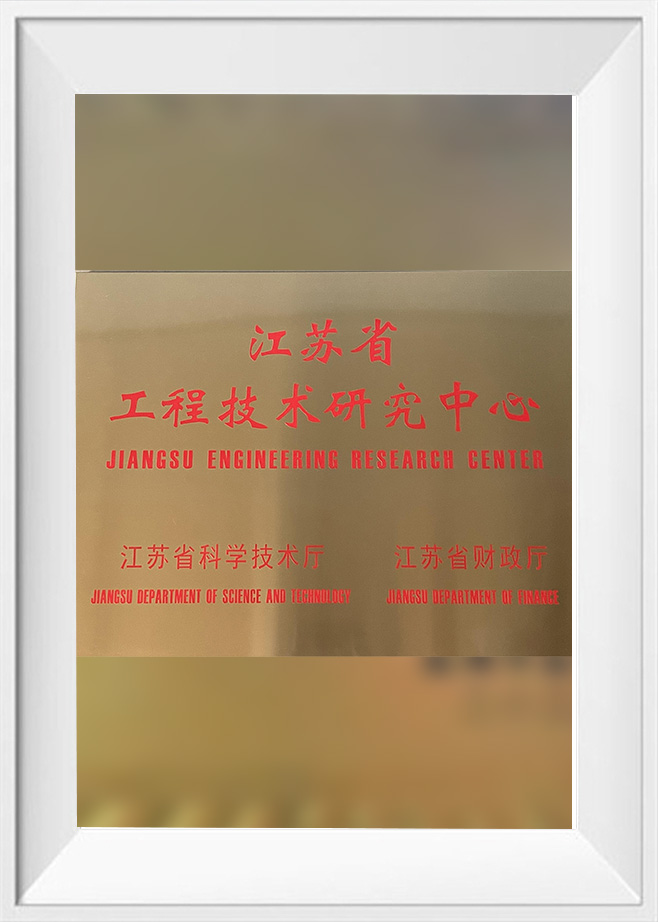
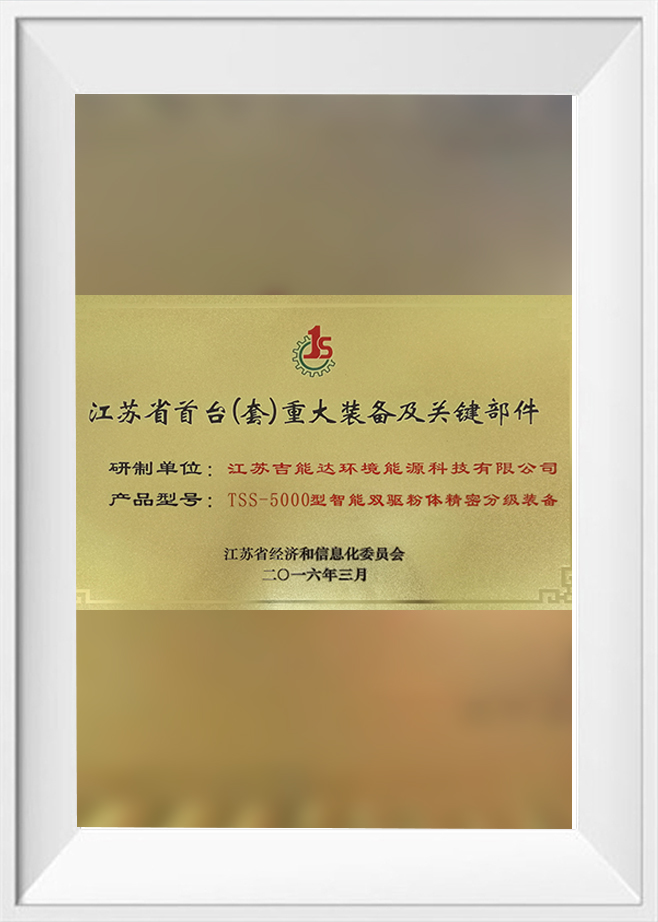
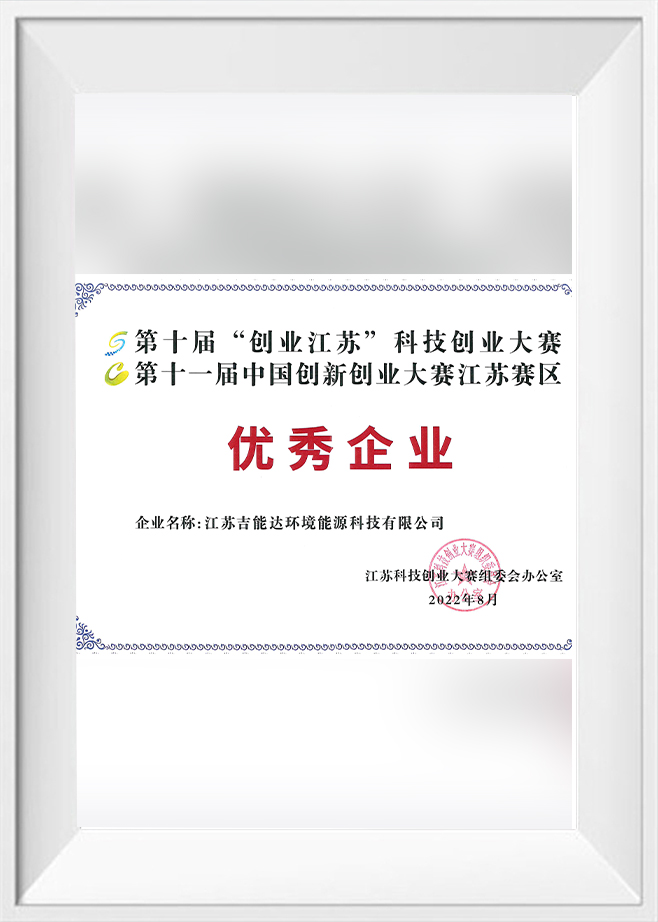
Jiangsu JND Environmental & Energy Technology Co., Ltd., founded in 2002 and based in the Yancheng National High-Tech Industrial Development Zone, is a national high-tech enterprise specializing in the integration of energy-saving and environmental protection technology R&D, equipment manufacturing and engineering contracting. With a provincial-level R&D center and long-term cooperation with universities including Southeast University and Tongji University, the company has obtained ISO 9001, ISO 14001 and OHSAS 18001 certifications, supporting a systematic approach to designing reliable emission control systems.
How Flue Gas Desulfurization Equipment Removes Sulfur Dioxide
The Absorption Reaction
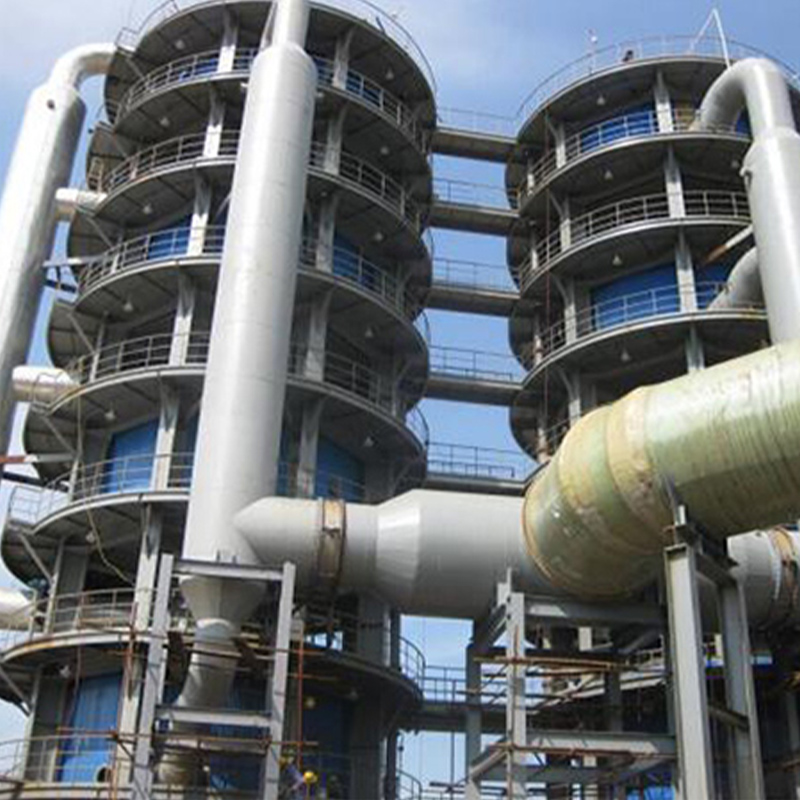
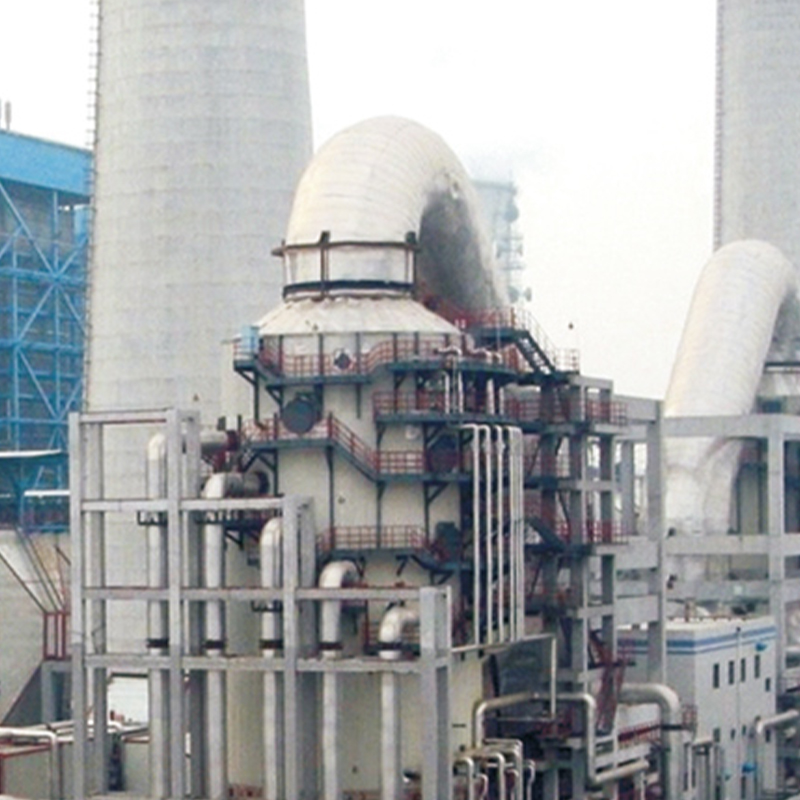
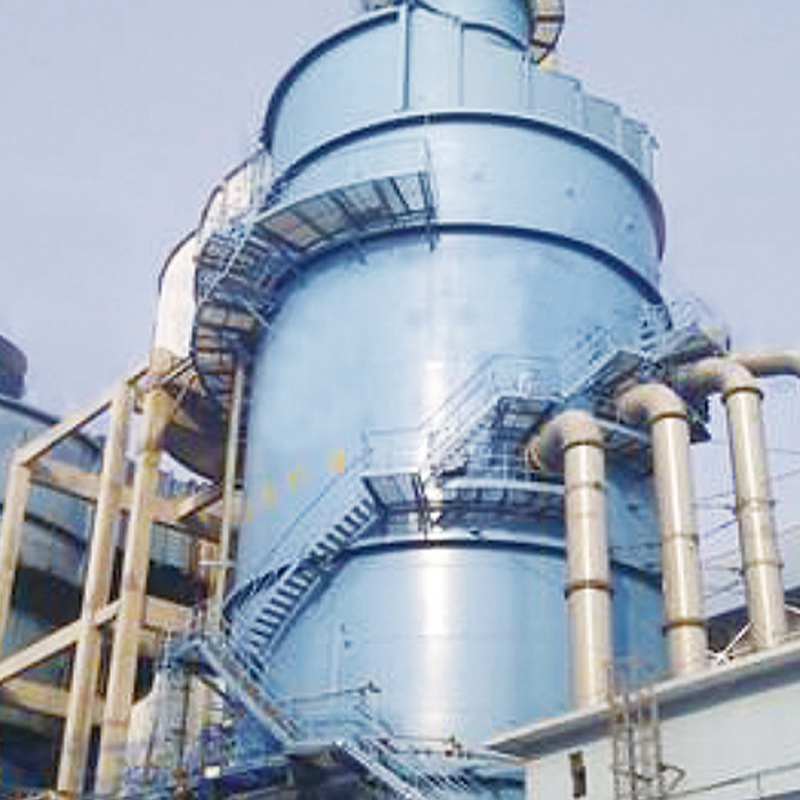
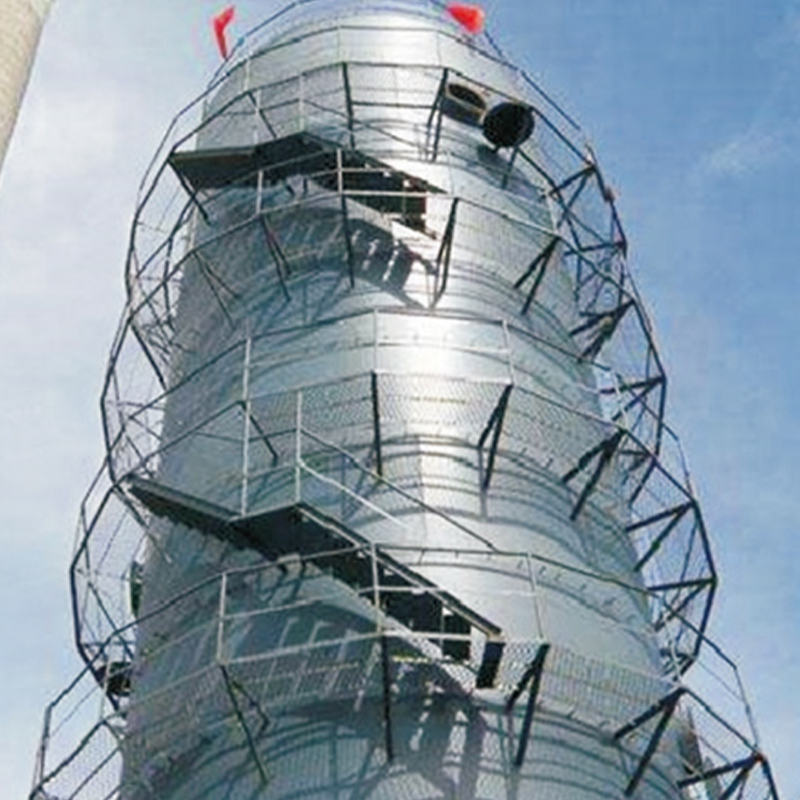
Most Flue Gas Desulfurization Equipment works by bringing exhaust gas into contact with an alkaline absorbent, commonly a limestone slurry, inside an absorption tower. Sulfur dioxide reacts with the absorbent to form a stable compound, which is then separated from the gas stream and collected, while cleaned gas continues on to the stack.
System Configuration in FGD Equipment
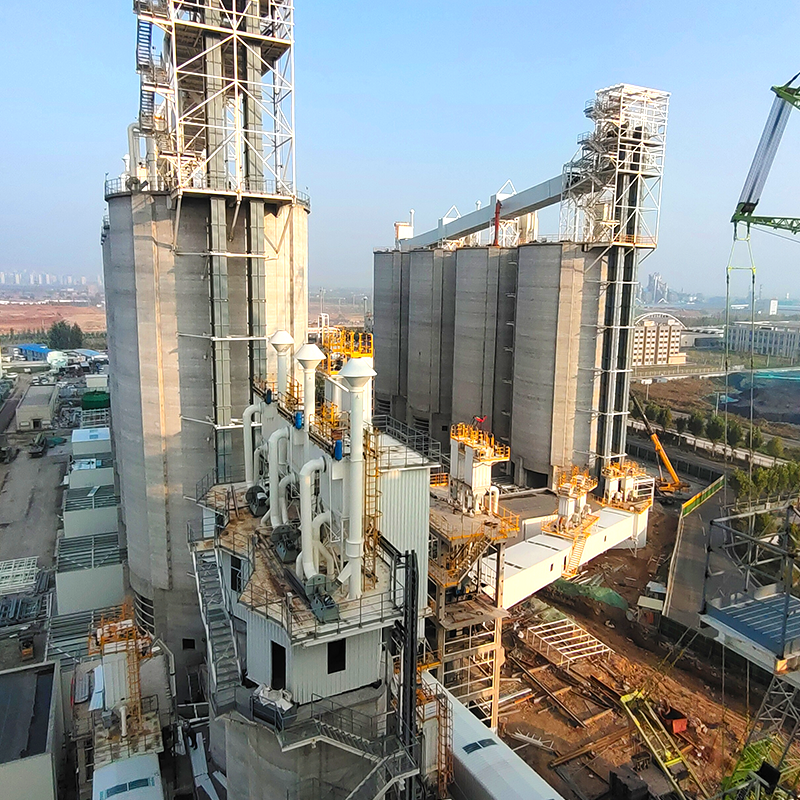
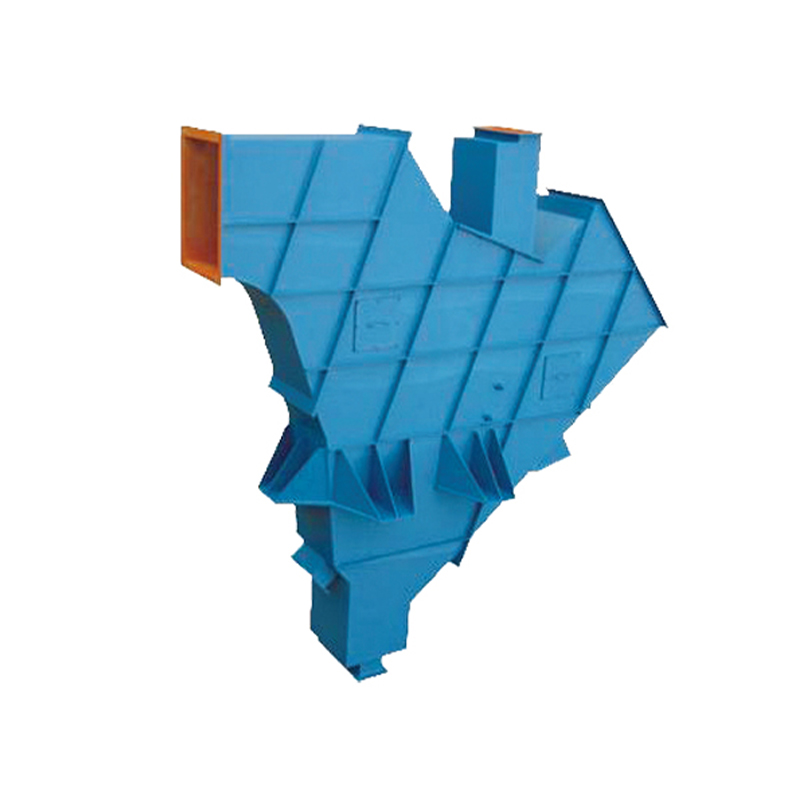
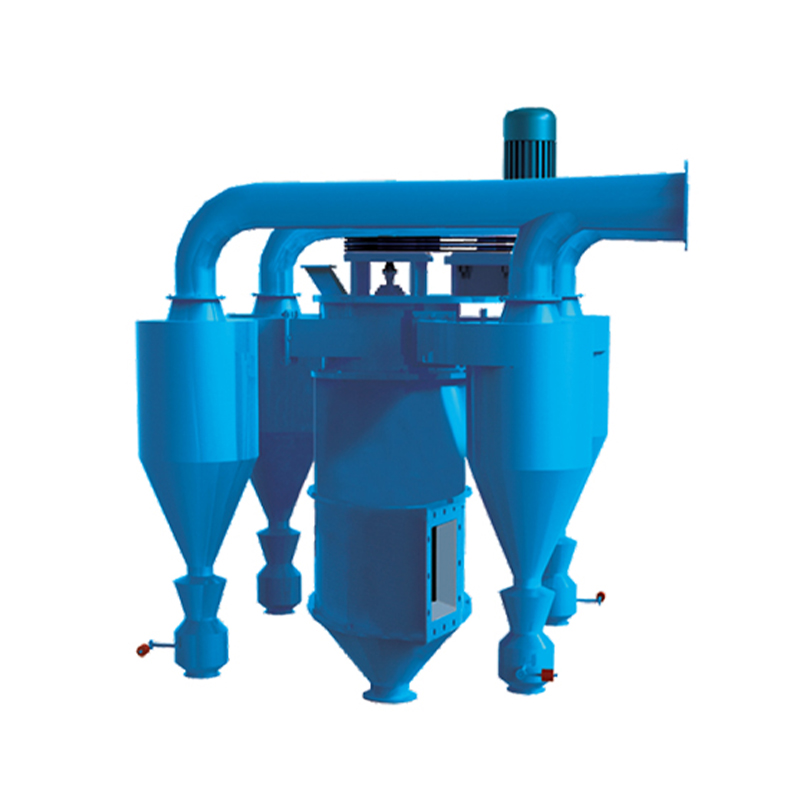
A complete FGD Equipment system typically includes gas ductwork, an absorption tower, slurry preparation and circulation systems, and a mist eliminator to remove entrained liquid droplets before the gas exits. Coordinating these components determines both removal efficiency and how consistently the system performs as gas flow and sulfur content fluctuate with plant load.
Advantages of Pairing FGD with Energy-saving and Eco-friendly Equipment
Desulfurization systems consume energy to move gas and circulate absorbent slurry, so pairing them with Energy-saving and eco-friendly equipment — such as variable-frequency fans and optimized slurry pumps — helps offset this operating cost. The table below outlines the difference this pairing makes.
Comparison of standard FGD operation and FGD paired with energy-saving equipment
| Aspect |
Standard FGD Operation |
FGD with Energy-saving Equipment |
| Fan Power Draw |
Fixed speed, sized for peak load |
Variable-frequency, matched to actual gas flow |
| Slurry Circulation |
Continuous full-rate pumping |
Adjusted to sulfur load and absorption demand |
| Absorbent Utilization |
Less precise dosing |
Optimized dosing reduces waste |
| Byproduct Handling |
Basic disposal |
Designed for potential recovery and reuse |
This pairing shows that desulfurization and energy efficiency are not competing priorities but complementary design goals when the system is engineered as a whole.
Evaluating FGD Options for Your Facility
- Measure baseline sulfur dioxide concentration and gas flow rate under typical operating conditions.
- Confirm the absorption tower and slurry system are sized for peak, not just average, plant load.
- Review how byproduct material will be handled, stored or reused after separation.
- Ask what monitoring instrumentation is included to track removal efficiency in real time.
Frequently Asked Questions
Q1: What is the most common method used in Flue Gas Desulfurization?
Wet limestone-based absorption is among the most widely applied methods, valued for its high removal efficiency and use of a relatively low-cost absorbent material.
Q2: How is desulfurization performance measured?
Performance is typically tracked by comparing sulfur dioxide concentration in the gas stream before and after treatment, expressed as a removal efficiency percentage.
Q3: Can FGD Equipment be retrofitted onto existing plants?
In many cases yes, though space for the absorption tower, ductwork routing and byproduct handling need to be carefully assessed during retrofit planning.
Q4: What happens to the byproduct collected during desulfurization?
Depending on the process and local practice, collected byproduct material can sometimes be processed for reuse in other industrial applications rather than sent to disposal.
Desulfurization as Part of a Broader Environmental Commitment
Effective sulfur dioxide control works best when planned as part of a facility's overall environmental strategy rather than treated as an isolated compliance requirement. JND states that it is committed to practicing the concept of environmental protection and creating ecological value in all its business activities, and that it continuously optimizes its environmental management system instead of settling for minimum compliance standards. Applied to emission control, this outlook supports the ongoing development of Flue Gas Desulfurization Equipment and complementary Energy-saving and eco-friendly equipment that together help facilities meet both current and future air quality requirements.


 English
 中文简体
 русский
 Español
 عربى


 Email:ycjnd@163.com
 Telephone:+86-13770001111
 Phone:+86-515-88582588



