Wholesale Artificial sand and gravel powder classifier
Home / Equipment / Classification Equipment / Artificial sand and gravel powder classifier
Artificial sand and gravel powder classifier
  • Artificial sand and gravel powder classifier

Artificial sand and gravel powder classifier

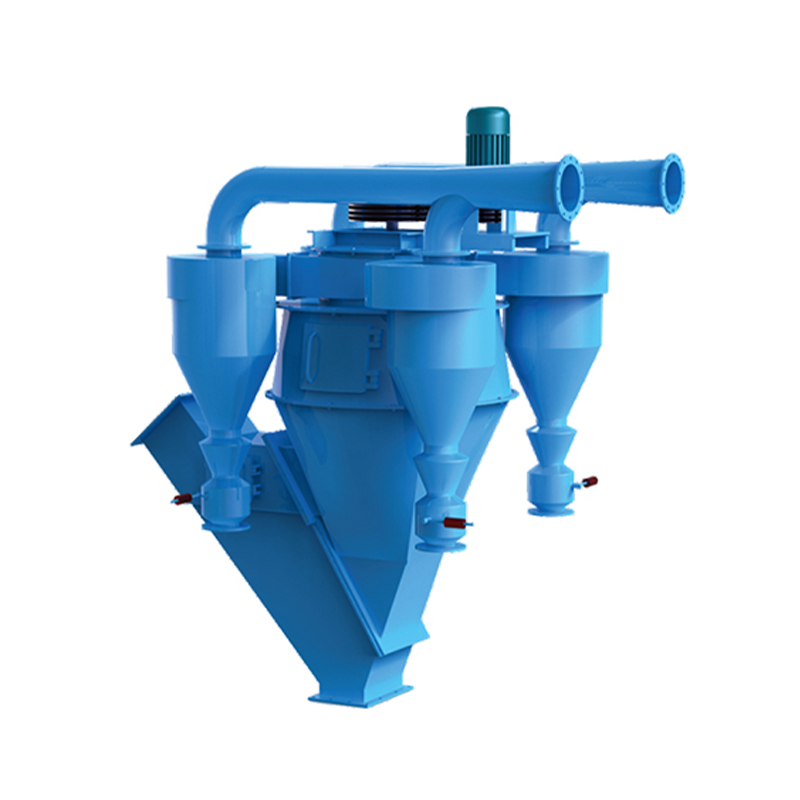
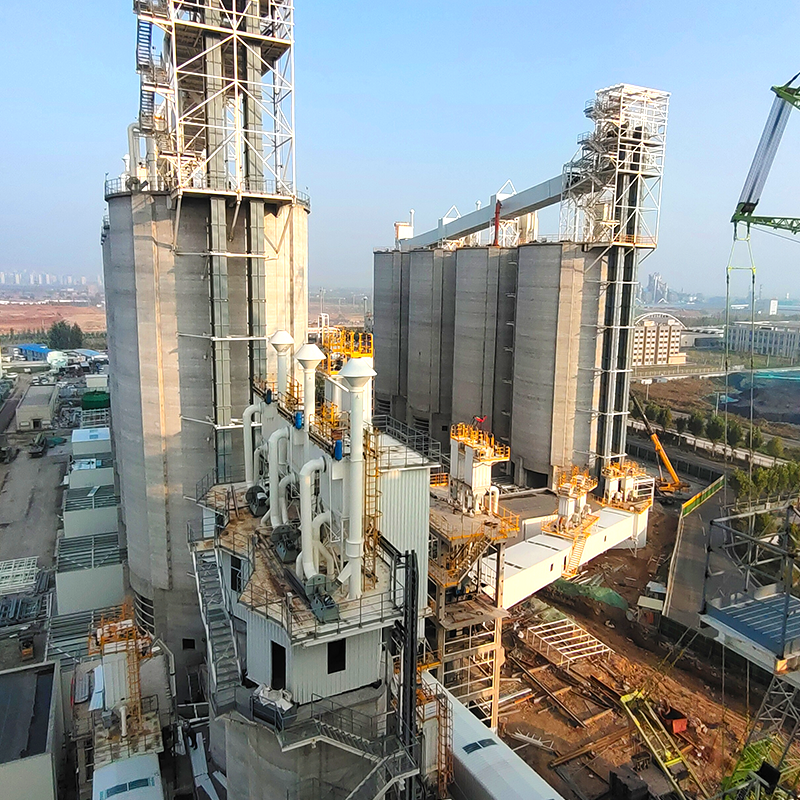
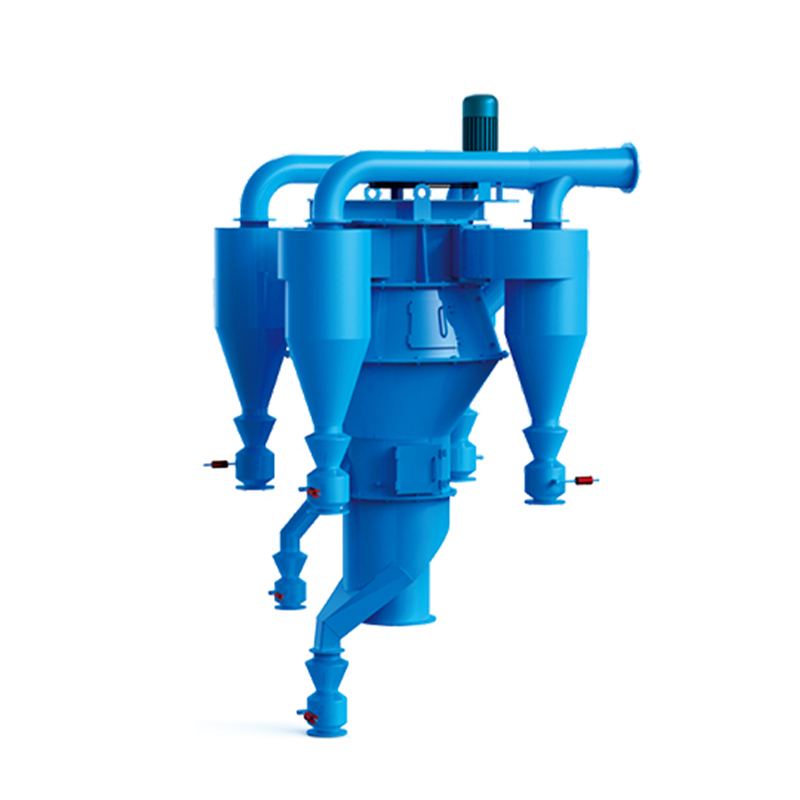
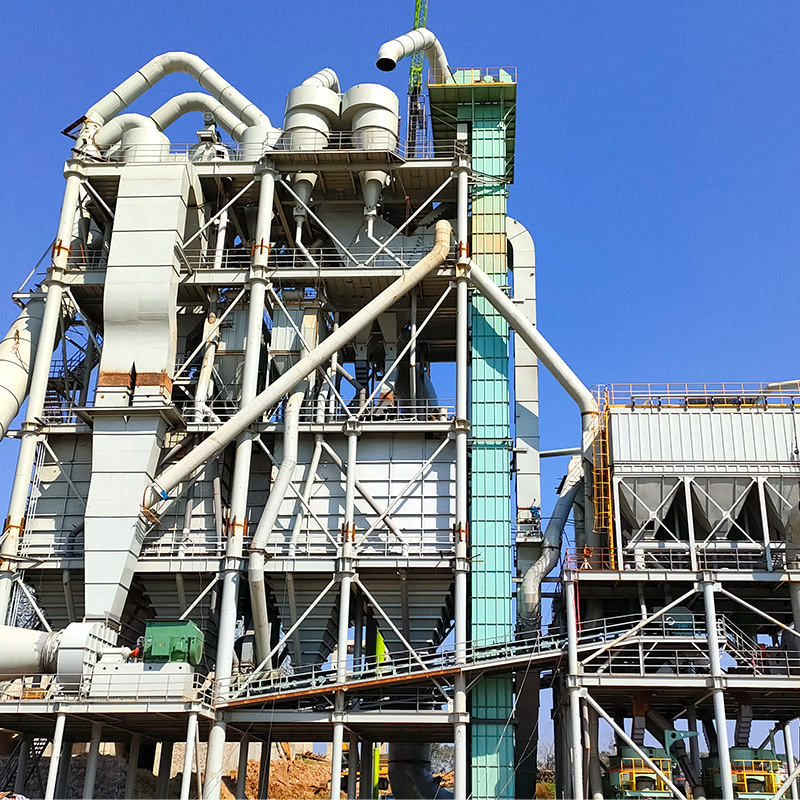
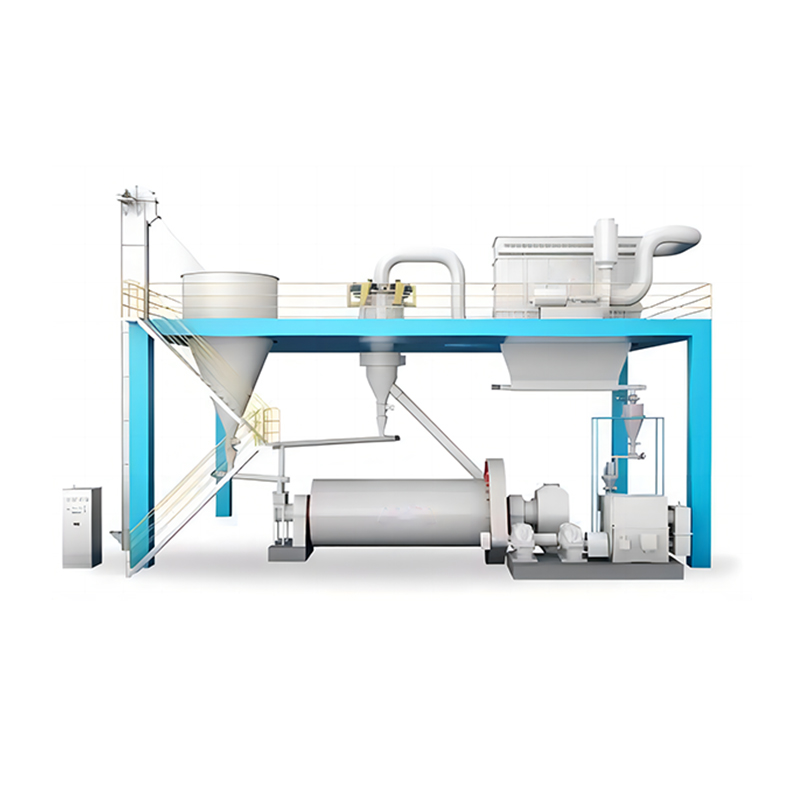
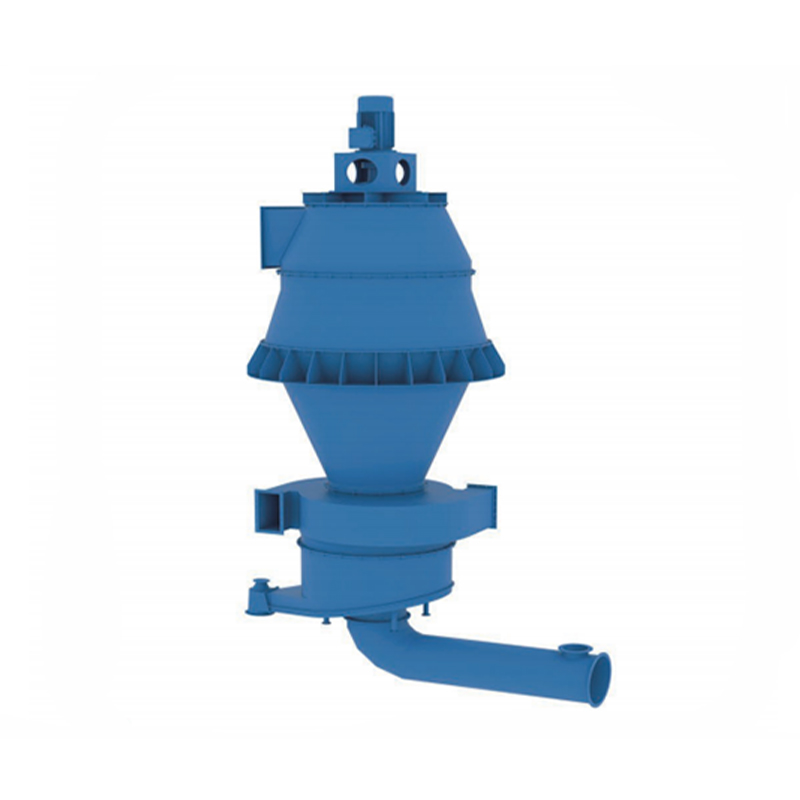
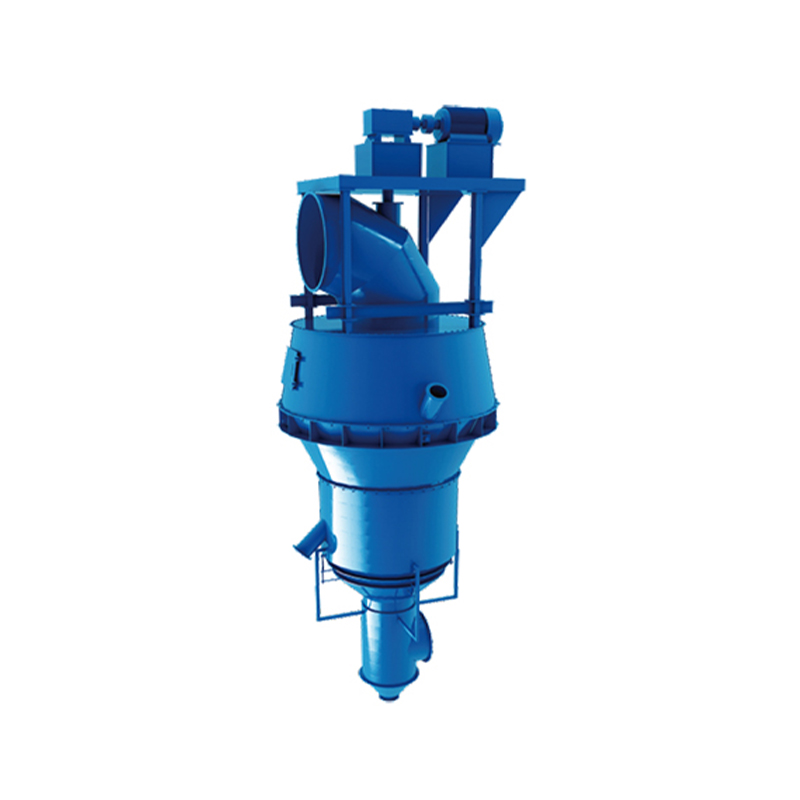
The artificial sand and gravel air separator is a patented product (invention patent number: 26021383693) that combines a three-separation separator with a V-type static separator. It can separate materials into four different coarse and fine sand and powder grades, meeting diverse market demands and gaining widespread user recognition. This product has been designated as an innovation project by the Ministry of Science and Technology of China for the "Industrialization of Artificial Sand and Gravel Air Separation and De-Powdering Machine." It is currently used in artificial sand production for projects such as the Busan Nuclear Power Plant high-strength concrete project, the Jinping 330-meter hyperbolic retaining dam project at the Ertan Hydropower Station, the world's tallest hyperbolic retaining dam, and the Yuhai Yushu National Key Project at an altitude of 4,000 meters.

Feed Particle Size: ≤10mm

Production Capacity: 15-450t/h

Applications: Sand and gravel yards, mining, coal mining, concrete mixing plants, dry mortar, quartz sand, etc. 【Applicable materials】: river pebbles, granite, basalt, iron ore, limestone, quartz stone, diabase, construction waste, iron ore, gold ore, etc.

send inquiry
Product AdvantagesWorking PrincipleTechnical Specifications

Product Advantages

  1. Stable sorting principle: The product features multiple grading systems. The material flow field is optimized using aerodynamic analysis based on the characteristics of sand and gravel. This significantly reduces operating resistance, improves sorting efficiency, and significantly reduces energy consumption. This process surpasses traditional water-washed sand and gravel sorting processes.
  2. The V-shaped agitation and classification zone features a simple structure and requires minimal consumables. The absence of an electric agitator minimizes pressure drop, resulting in stable operation and low power consumption.
  3. High classification accuracy: The airflow within the rectifier rises relative to the rotor, not rotating. The material is repeatedly cleaned in the classification zone, resulting in high classification accuracy.
  4. Easy operation: The cage rotor utilizes variable frequency stepless speed regulation. This offers a wide adjustment range, convenient operation, and reliable sensitivity.
  5. High classification efficiency: The V-shaped agitation and classification zone features multiple layers of agitation and classification plates, which repeatedly agitate and blow off the material, ensuring virtually no fine powder in the discharged coarse powder. At the discharge port of the medium powder in the settling and classification zone, airflow removes fine powder from the intermediate material, significantly reducing its fine powder content. The cage rotor classification zone incorporates guide vanes for more accurate and effective classification.
  6. Wear-resistant components minimize maintenance and extend service life. Imported wear-resistant steel plates are used in the vulnerable areas of the de-dusting machine's main components, effectively extending their service life. The entire machine is dynamically balanced, ensuring smooth operation across the entire speed range.
  7. A new design for the lower main shaft bearing seal effectively addresses two major issues: dust ingress and lubricant leakage, effectively extending bearing service life.
  8. The de-dusting machine foundation utilizes mechanical vibration reduction principles to prevent the vibration frequency of the separator foundation from forming an integer multiple of the separator's natural frequency, fundamentally resolving the long-standing problem of separator resonance.
  9. Double interlocking dampers are used in the coarse sand pipe, medium-coarse sand pipe, and fine sand pipe, significantly reducing system air leakage and overcoming the high dust emission during operation of previous de-dusting machines. 10. The system adopts double interlock air valves and internal circulating air to effectively reduce system air leakage and reduce dust emission pollution during operation.

Working Principle

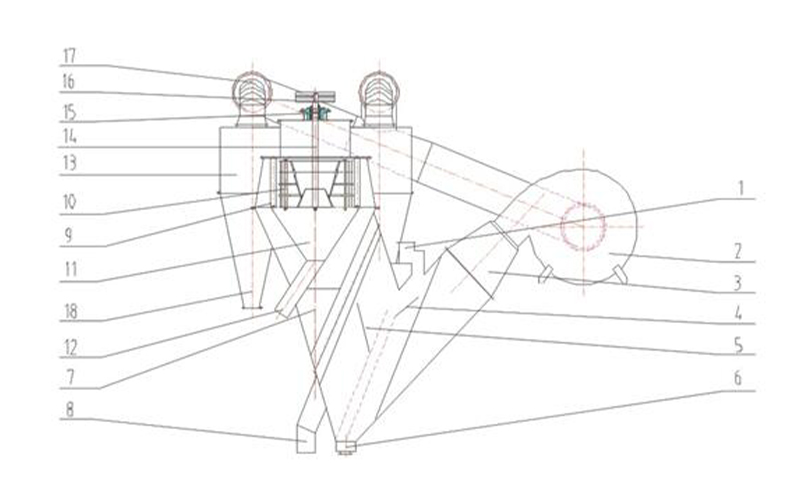
After passing through a crusher, sand making machine, and vibrating screen, artificial sand is refined into a size of 0-4.75mm. This sand is then fed into the machine's feed port using conveying equipment and enters the sand-dispersion zone. Several sets of guide plates and impact plates cause sand particles of varying sizes to fall at different speeds, resulting in repeated friction between the sand particles. This strips away mud and stone dust from the sand's surface, which is then quickly removed by the wind, effectively cleaning the sand.

The material entering inlet 1 is dispersed and stripped by multi-stage dispersing plates 4. Air blowing from the left between the dispersing plates removes medium and fine particles from the material flow, and the coarse sand is discharged from the coarse sand outlet 6 at the bottom. The material suspended in the airflow is carried by the wind into the grading zone between the multiple grading plates 5. The grading plates further remove the relatively coarse material from the suspended material. The coarse material then slides down the grading plates and is lifted up again by the wind. This repeated separation process results in the coarse powder being incorporated into the coarse sand. The airborne material exiting the grading plate enters the medium material grading zone. In this zone, the airflow decelerates and deflects, causing the medium sand to settle by gravity and impact with the wall, and is discharged from the medium sand outlet 8. The airflow then carries the material into the fine material grading zone. There, the curved guide plate 9 causes rotation, resulting in a dual effect of centrifugal sedimentation and gravity sedimentation. The fine sand falls into the fine sand collection cone 11 below and is discharged from the fine sand outlet 12. The powdered material follows the airflow into the de-powdering zone, where the cage rotor 10 throws out slightly coarser material (fine sand). The fine sand impacts the curved guide plate and falls into the fine sand collection cone. The powdered airflow enters the cyclone for gas-solid separation. The separated fine powder is discharged from the powder outlet 18, and the relatively clean air enters the fan for recycling through the air outlet 17.

Technical Specifications

Model Product fineness R0.075(%) Rotation speed (rpm) Motor power (kw) Processing capacity (t/h)
JN - SF - Ⅰ (N250) 0 - 5 150 - 300 5.5 15 - 30
JN - SF - Ⅱ (N350) 0 - 5 130 - 280 7.5 30 - 55
JN - SF - Ⅲ (N500) 0 - 5 120 - 260 7.5 50 - 80
JN - SF - Ⅳ (N750) 0 - 5 110 - 250 11 80 - 110
JN - SF - Ⅴ (N1000) 0 - 5 100 - 230 15 110 - 150
JN - SF - Ⅵ (N1250) 0 - 5 90 - 210 18.5 150 - 200
JN - SF - Ⅶ (N1500) 0 - 5 80 - 200 22 200 - 250
JN - SF - Ⅷ (N2000) 0 - 5 70 - 180 30 240 - 300
JN - SF - Ⅸ (N2500) 0 - 5 60 - 160 45 280 - 350
JN - SF - Ⅹ (N3000) 0 - 5 50 - 150 55 350 - 450
Message Feedback
Jiangsu JND Environmental & Energy Technology Co., Ltd.