Wholesale High-dispersion eddy current powder classifier
Home / Equipment / Classification Equipment / High-dispersion eddy current powder classifier
High-dispersion eddy current powder classifier
  • High-dispersion eddy current powder classifier

High-dispersion eddy current powder classifier

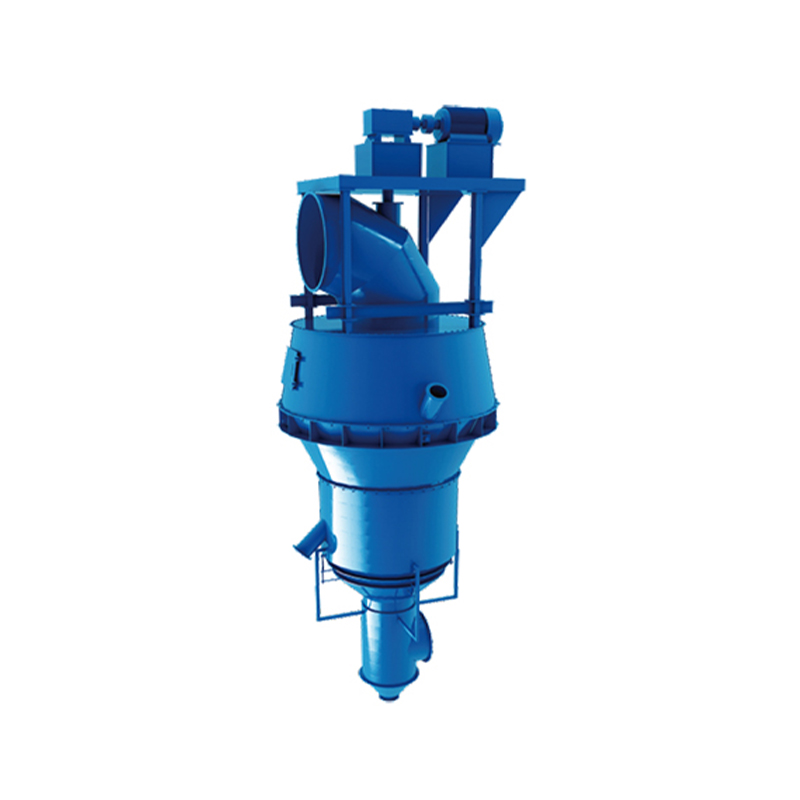
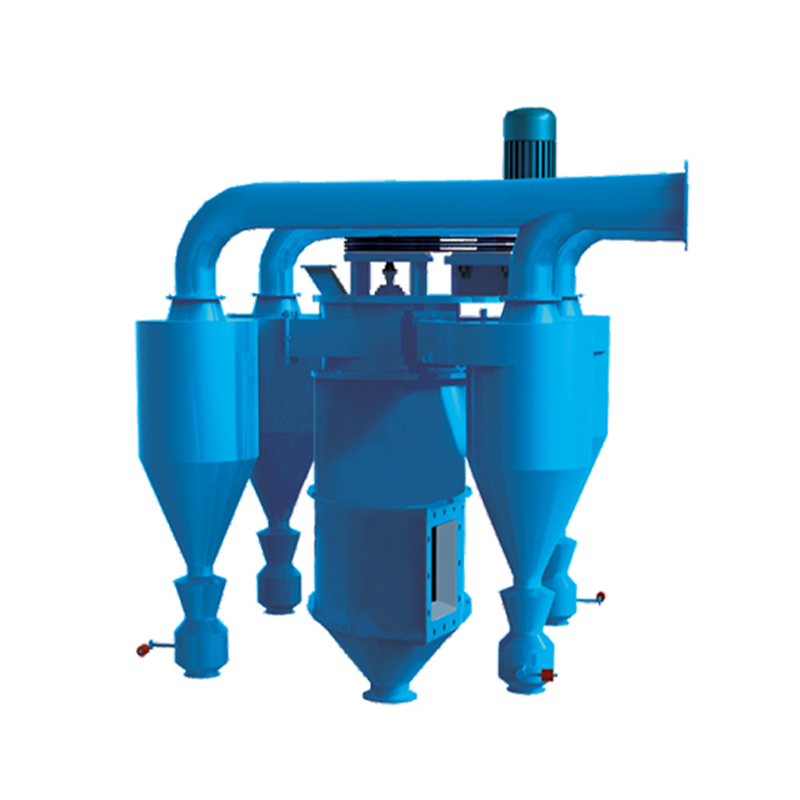
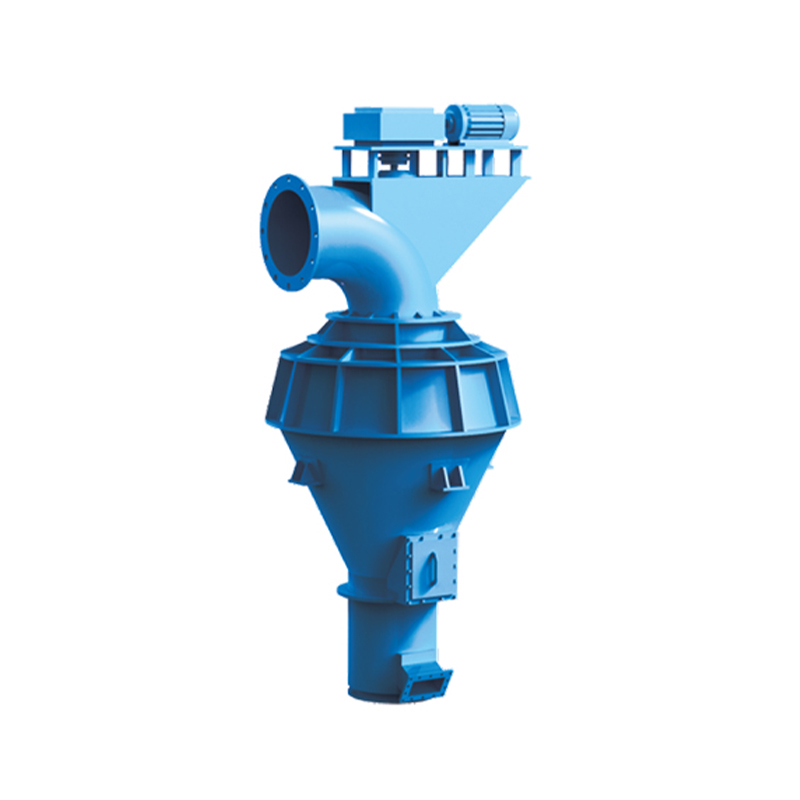
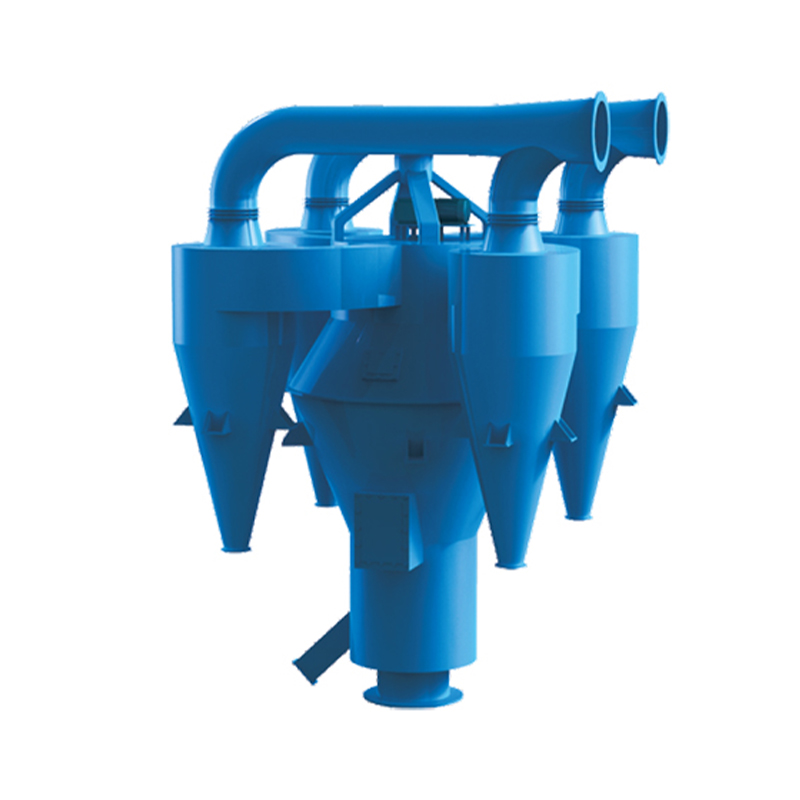
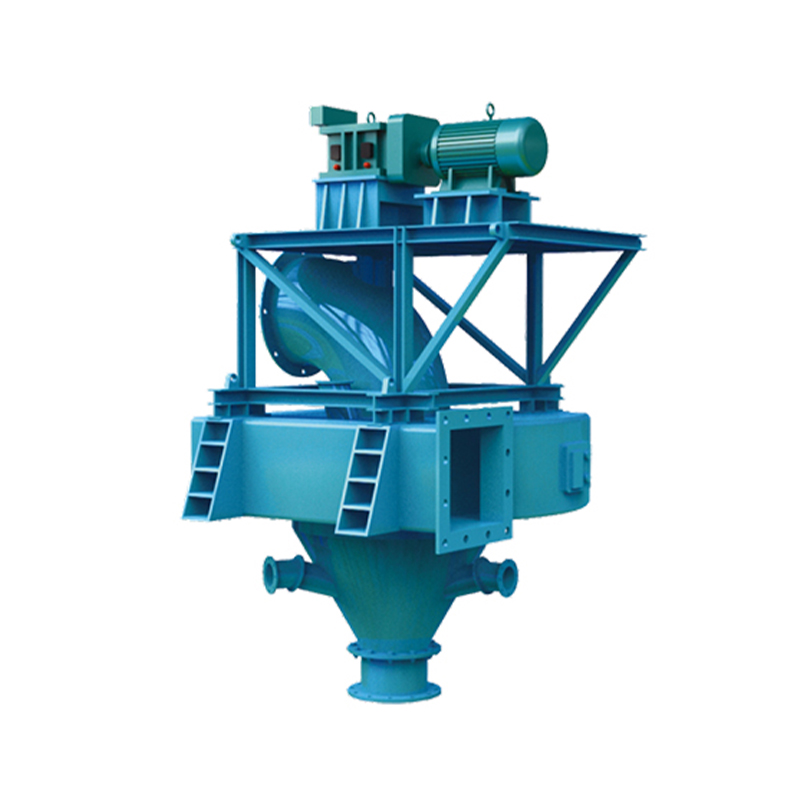
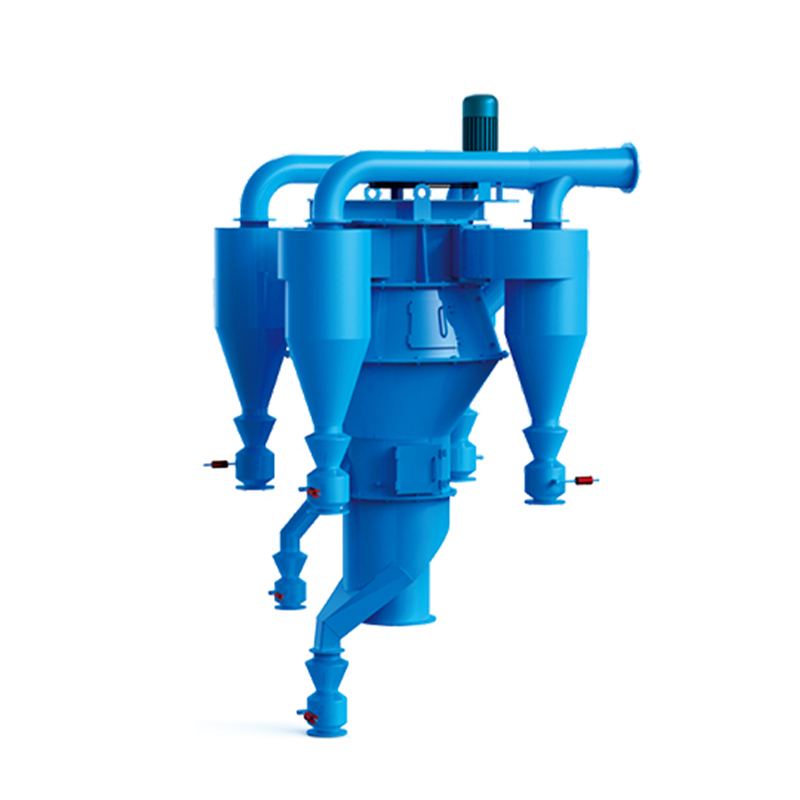
The artificial sand and gravel air separator is a patented product (invention patent number: 26021383693) that combines a three-separation separator with a V-type static separator. It can separate materials into four different coarse and fine sand and powder grades, meeting diverse market demands and gaining widespread user recognition. This product has been designated as an innovation project by the Ministry of Science and Technology of China for the "Industrialization of Artificial Sand and Gravel Air Separation and De-Powdering Machine." It is currently used in artificial sand production for projects such as the Busan Nuclear Power Plant high-strength concrete project, the Jinping 330-meter hyperbolic retaining dam project at the Ertan Hydropower Station, the world's tallest hyperbolic retaining dam, and the Yuhai Yushu National Key Project at an altitude of 4,000 meters.

Feed Particle Size: ≤10mm

Production Capacity: 15-450t/h

Applications: Sand and gravel yards, mining, coal mining, concrete mixing plants, dry mortar, quartz sand, etc. 【Applicable materials】: river pebbles, granite, basalt, iron ore, limestone, quartz stone, diabase, construction waste, iron ore, gold ore, etc.
send inquiry
Product AdvantagesWorking PrincipleTechnical Specifications

Product Advantages

  1. It utilizes two-stage separation and three-stage dispersion, resulting in high classification accuracy and 20-30% higher classification efficiency than traditional O-SEPA classifiers.
  2. Its rational structure allows for wide variations in the classification air volume, output, and feed rate without affecting classification efficiency, resulting in highly stable classification performance.
  3. Its stable classification principle combines multiple classification principles and utilizes aerodynamic analysis to optimize the entire flow field, significantly reducing equipment resistance, achieving high classification efficiency, and significantly reducing energy consumption. The classifier rotor is equipped with a patented eddy current rectifier, ensuring a relative error of less than 5% in the airflow field.
  4. The classifier utilizes stepless speed regulation, enabling convenient fineness adjustment and reliable sensitivity.
  5. The new design of the main shaft lower bearing seal effectively eliminates problems such as dust ingress and lubricant oil leakage, effectively extending the service life of the classifier.

Working Principle

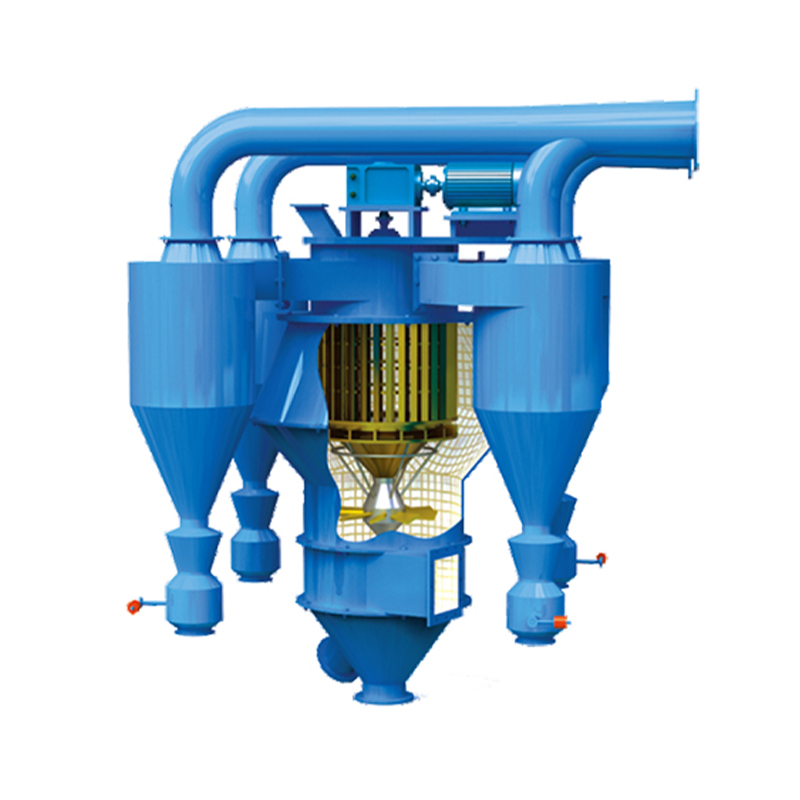
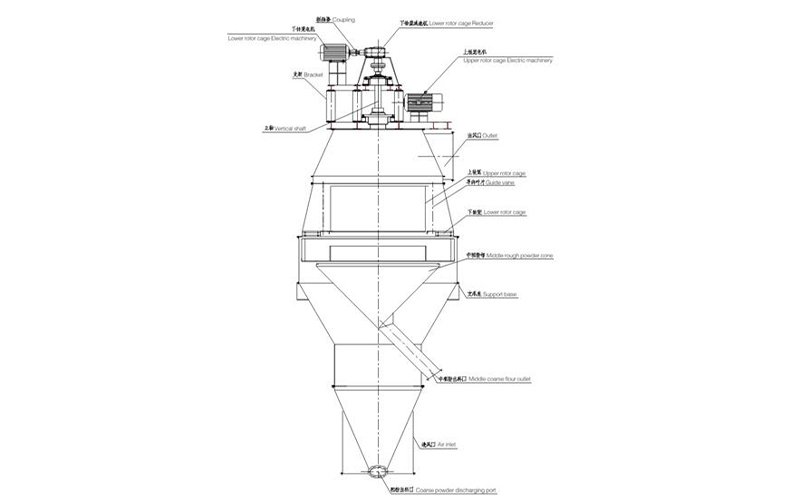
Material exiting the mill is fed via an elevator through two side inlets. A rotating spreader evenly distributes the material in the rising airflow between the housing and the spreader, where it undergoes initial classification. Undispersed agglomerates and large particles fall into a cleaning device. Primary and secondary air flow through the cleaning device further cleans the material beneath the spreader, allowing large particles to sink into the coarse powder collection cone. The remaining material, along with the rising airflow, reenters the airflow between the housing and the spreader.

The dust-laden gas is guided by guide vanes into the primary separation zone between the rotating cage and the guide vanes. The separation principle achieves effective separation by balancing centrifugal force and air resistance (Stokes force). As the cage rotor, composed of vertical blades, rotates, the pressure differential between the inside and outside of the rotor maintains a constant value across the entire separation zone, ensuring stable and uniform airflow and creating optimal conditions for accurate separation. Each particle receives multiple opportunities for separation from top to bottom. By adjusting the rotor speed, particles meeting the cut size enter the rotor cavity. They are then carried by the airflow through the upper outlet and collected in a bag filter, where they are subsequently transported to the finished product. Particles larger than the cutting size enter the medium-coarse powder cone through the gap between the rotor and the upper flange of the medium-coarse powder cone, and are sent into the coarse powder chute through the fluidization device and returned to the grinding head.

Technical Specifications

Model Product fineness R0.075(%) Speed (r/min) Motor Power (KW) Maximum Capacity (t/h) Output (t/h)
Upper Rotor Cage Lower Rotor Cage Upper Rotor Cage Lower Rotor Cage Returned Coarse Particles Semifinished Product Entering Mill Finished Cement
TSS - 2500 150000 120 - 240 80 - 160 37 18.5 140 - 225 20 - 75 75 - 140 5 - 45
TSS - 3000 180000 110 - 220 80 - 160 45 22 170 - 270 25 - 90 90 - 170 5 - 55
TSS - 3500 210000 100 - 200 70 - 140 55 22 200 - 320 30 - 105 105 - 200 10 - 65
TSS - 4000 240000 90 - 180 70 - 140 75 30 225 - 360 35 - 120 120 - 225 15 - 80
TSS - 4500 270000 90 - 180 60 - 120 90 37 250 - 410 40 - 135 135 - 250 20 - 90
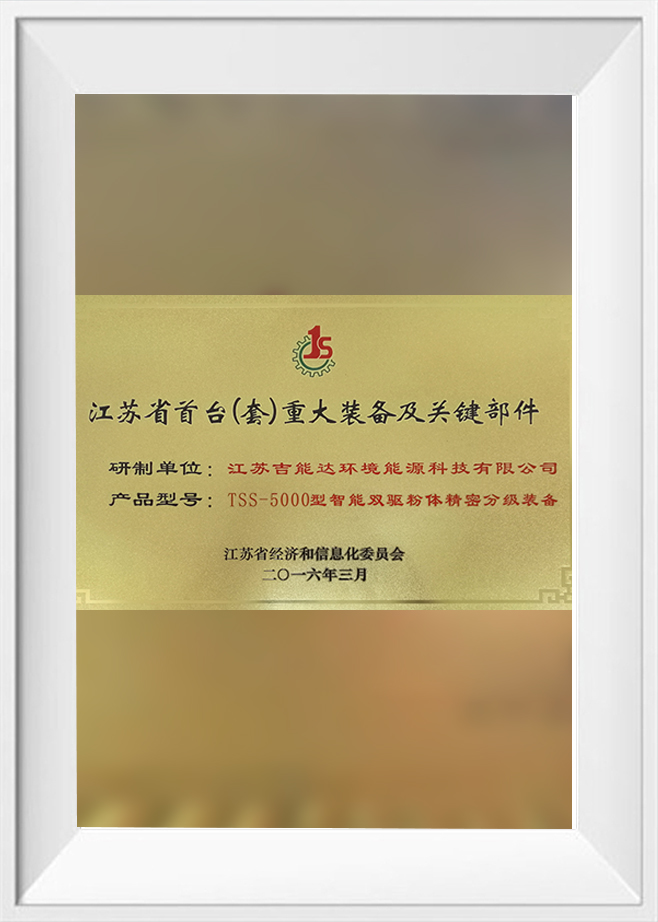
TSS - 5000 300000 75 - 170 60 - 120 110 45 280 - 450 50 - 150 50 - 250 20 - 100
TSS - 5500 330000 60 - 120 40 - 80 132 55 310 - 495 55 - 165 55 - 275 25 - 110
TSS - 6000 360000 60 - 120 40 - 80 160 75 340 - 550 60 - 180 60 - 300 30 - 120
TSS - 6500 390000 60 - 120 40 - 80 160 90 365 - 585 65 - 195 65 - 325 35 - 130
TSS - 7000 420000 60 - 120 40 - 80 180 110 395 - 615 70 - 210 70 - 350 40 - 140
Message Feedback
Jiangsu JND Environmental & Energy Technology Co., Ltd.