

 English
 中文简体
中文简体 русский
 Español
 عربى
عربى

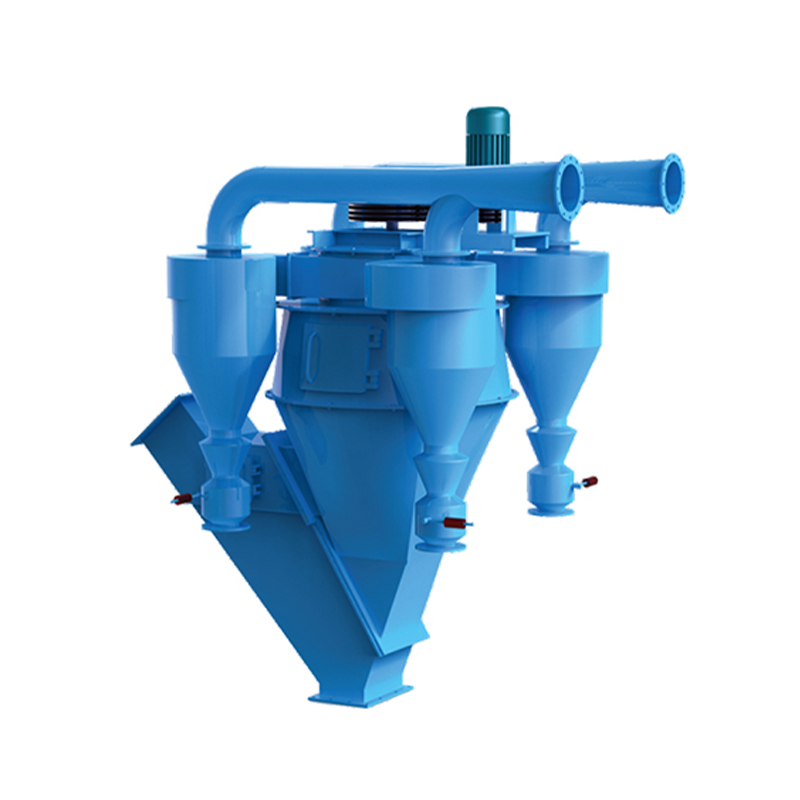
A dynamic powder classifier is a mechanical separation device that uses a rotating cage or rotor combined with an air stream to split ground material into a fine powder stream and a coarse stream that is sent back for further grinding. Rotor speed is the primary control variable, and by adjusting it operators can shift the cut point up or down without stopping the mill, which makes the dynamic classifier the standard choice wherever a grinding circuit needs precise, repeatable fineness control rather than a fixed separation point.
Content
- 1 Main Components of a Dynamic Powder Classifier
- 2 Working Principle and Separation Mechanism
- 3 Common Types of Dynamic Powder Classifiers
- 4 MX Series Coal Mill Dynamic Classifier Overview
- 5 Product Advantages of the MX Series Classifier
- 6 Industrial Applications of Dynamic Powder Classifiers
- 7 Key Parameters When Selecting a Dynamic Powder Classifier
- 8 Maintenance Guidance for Long Term Reliability
- 9 Common Problems and Practical Troubleshooting
- 10 Recent Developments in Dynamic Powder Classifier Technology
- 11 Frequently Asked Questions About Dynamic Powder Classifiers
- 11.1 What is the difference between a dynamic and a static powder classifier
- 11.2 How does rotor speed affect product fineness
- 11.3 What feed particle size can the MX series classifier accept
- 11.4 Which materials can be processed with a dynamic powder classifier
- 11.5 Why does classifier resistance matter for energy consumption
- 11.6 How much can a modern classifier improve system output
Main Components of a Dynamic Powder Classifier
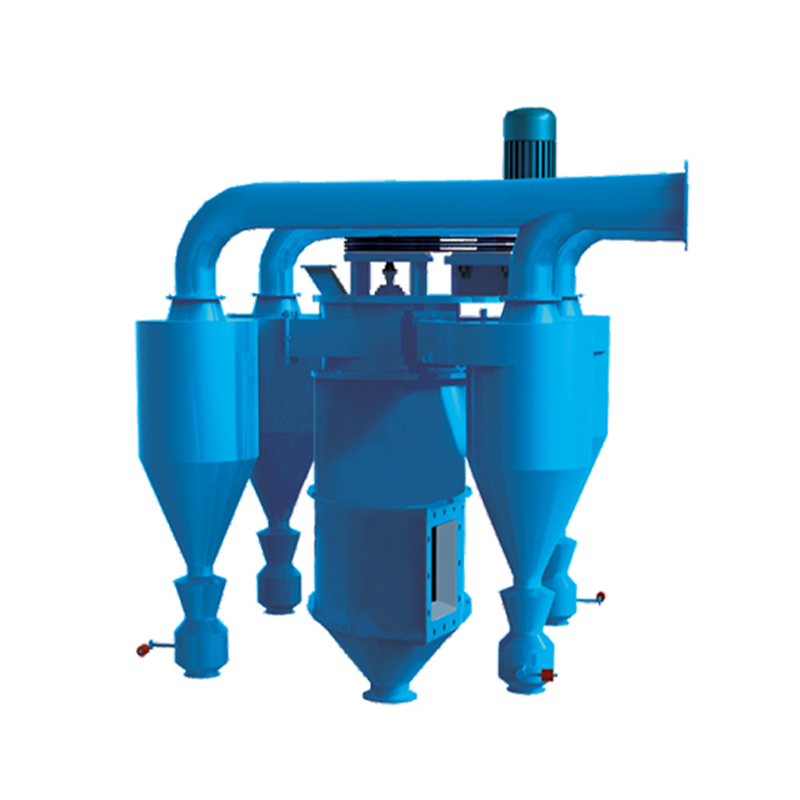
A dynamic powder classifier combines rotating and stationary parts inside a single housing, and each part plays a defined role in separating particles by size.
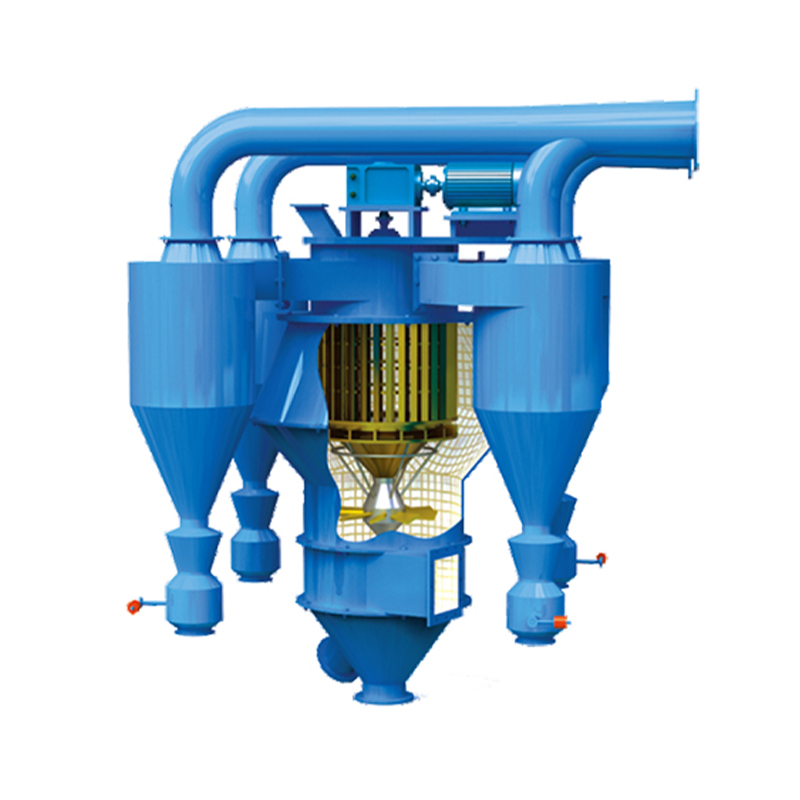
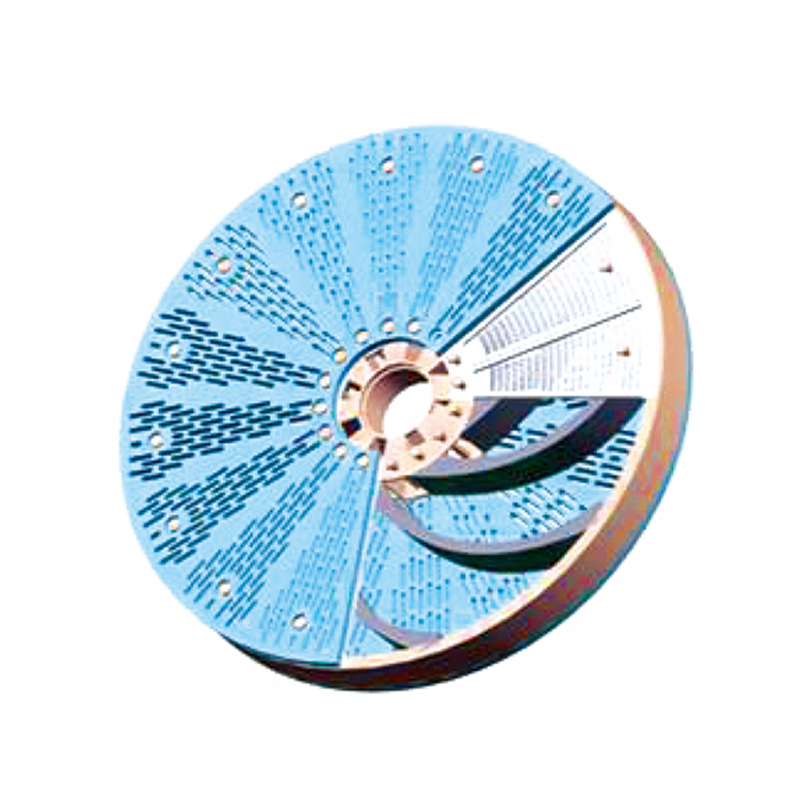
- Rotating cage or rotor, made of classification blades arranged around a central shaft that spins to reject oversized particles by centrifugal force
- Guide vanes or volute housing, which direct the incoming air and particle stream into an even, swirling flow before it reaches the rotor
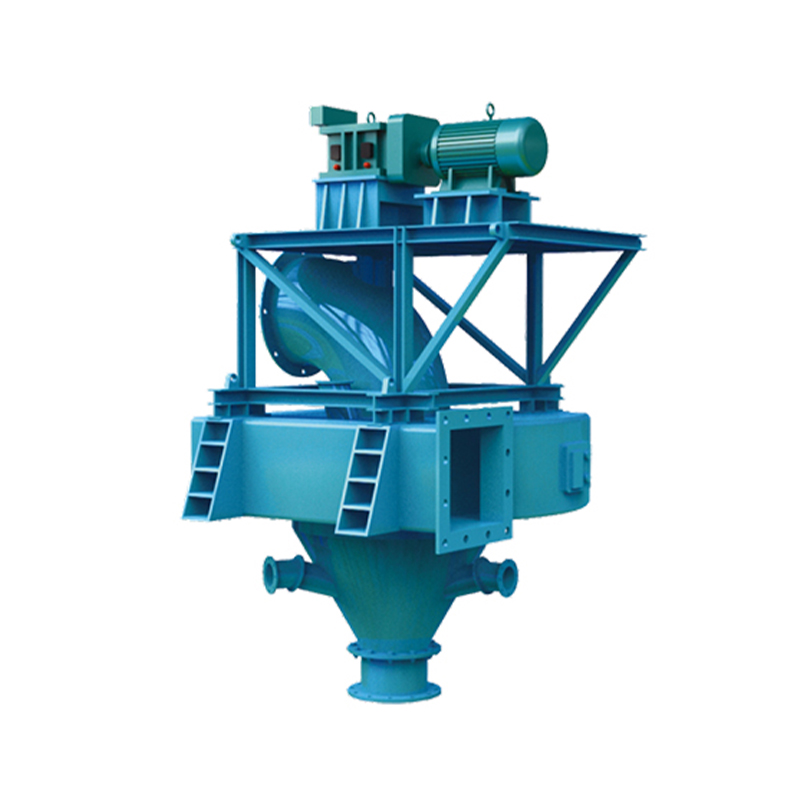
- Variable speed drive motor, usually controlled remotely, that sets rotor speed and therefore the fineness cut point
- Coarse powder outlet and return chute, which sends rejected coarse particles back into the mill for additional grinding
- Fine powder outlet, connected to the downstream collection system such as a cyclone or bag filter
Working Principle and Separation Mechanism
Ground material leaves the mill suspended in an air stream and enters the classifier housing, where guide vanes convert the flow into a swirling pattern around the rotating cage. Fine particles follow the air stream through the rotor blades and exit through the fine powder outlet, while coarser particles are thrown outward by centrifugal force, strike the cage, lose momentum, and fall down into the coarse return chute.
Two forces determine the cut point
Every particle inside the classifier is acted on by centrifugal force pushing it outward and drag force from the air stream pulling it inward toward the rotor axis, and the balance between these two forces sets the exact particle size that separates fine product from coarse reject.
- Higher rotor speed increases centrifugal force, pushing more mid sized particles back into the coarse stream and producing a finer product
- Lower rotor speed reduces centrifugal force, allowing more mid sized particles through with the fine stream and producing a coarser product
- Air volume through the housing works together with rotor speed, since higher air flow increases drag force and pulls slightly larger particles into the fine stream
Common Types of Dynamic Powder Classifiers
Dynamic classifiers are generally grouped by the way the rotor and air flow are arranged, and the choice depends on the required fineness range and the grinding circuit layout.
| Type | Flow Arrangement | Typical Fineness Control | Common Placement |
|---|---|---|---|
| Turbo type classifier | Horizontal vortex flow | Fine to medium range | Ball mill closed circuit systems |
| Air swept coal mill classifier | Combined coarse separation and vortex flow | Medium to coarse range | Coal grinding and power plant systems |
| Static plus dynamic combined classifier | Pre separation vanes followed by rotor | Wide adjustable range | Cement vertical roller mill systems |
MX Series Coal Mill Dynamic Classifier Overview
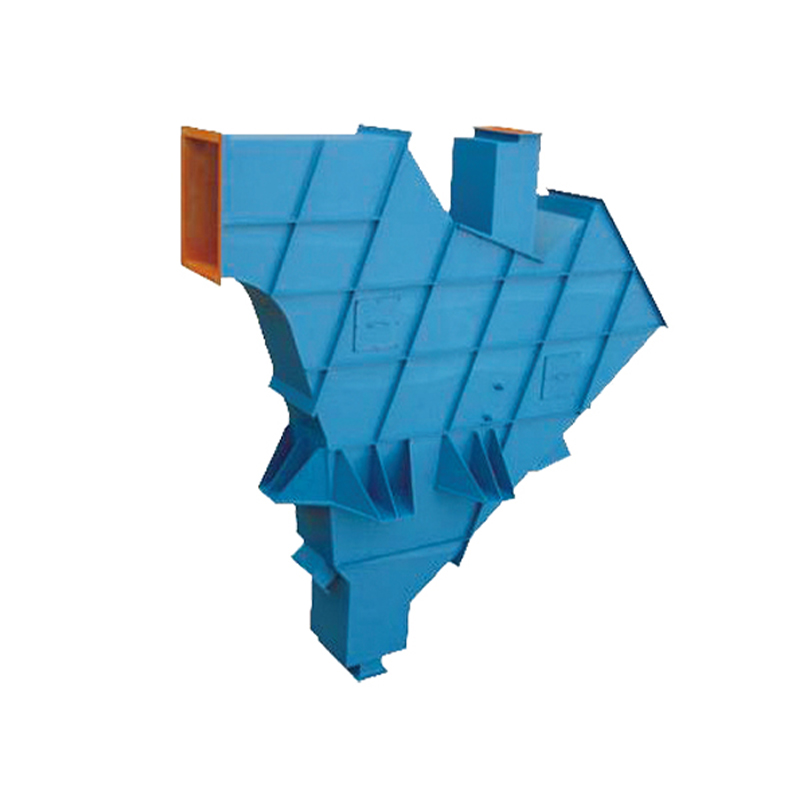
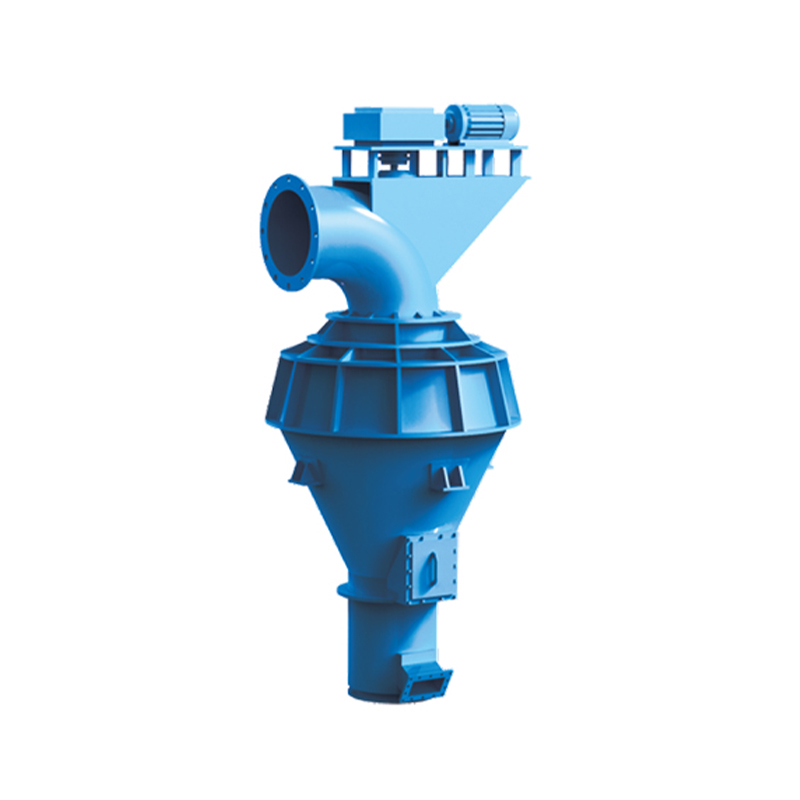
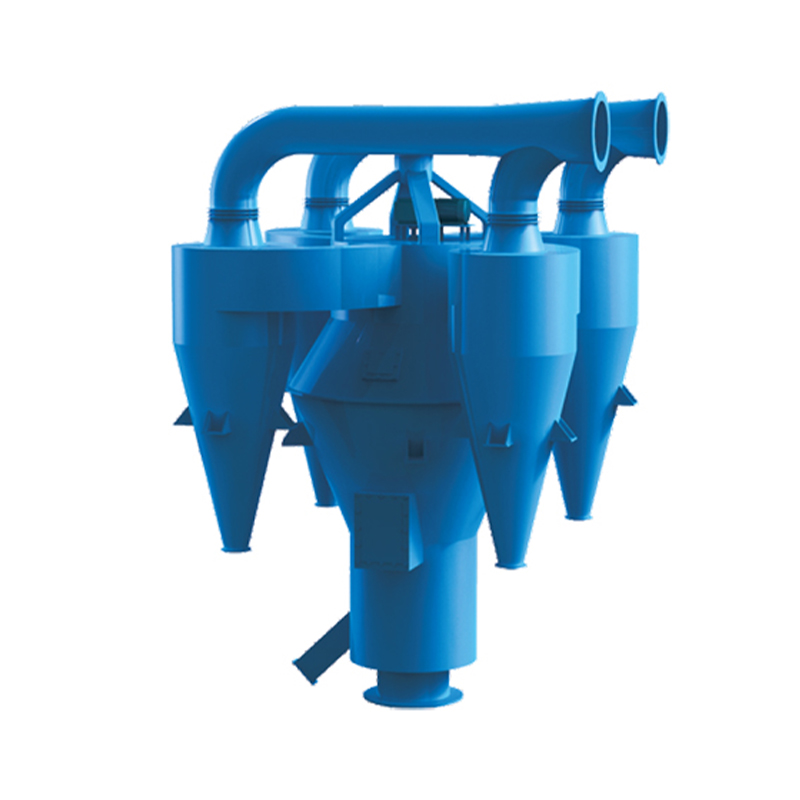
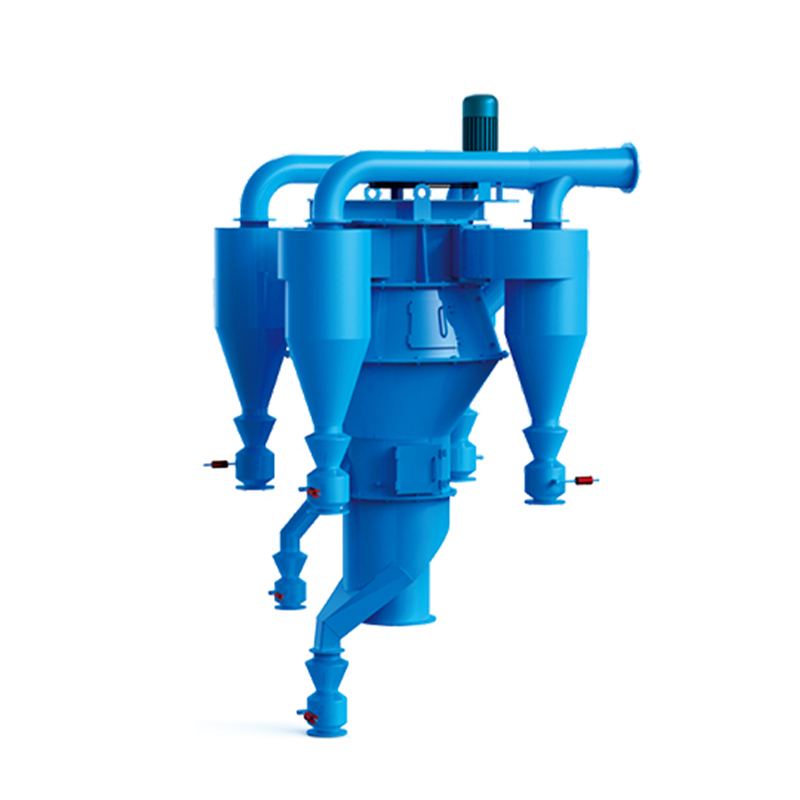
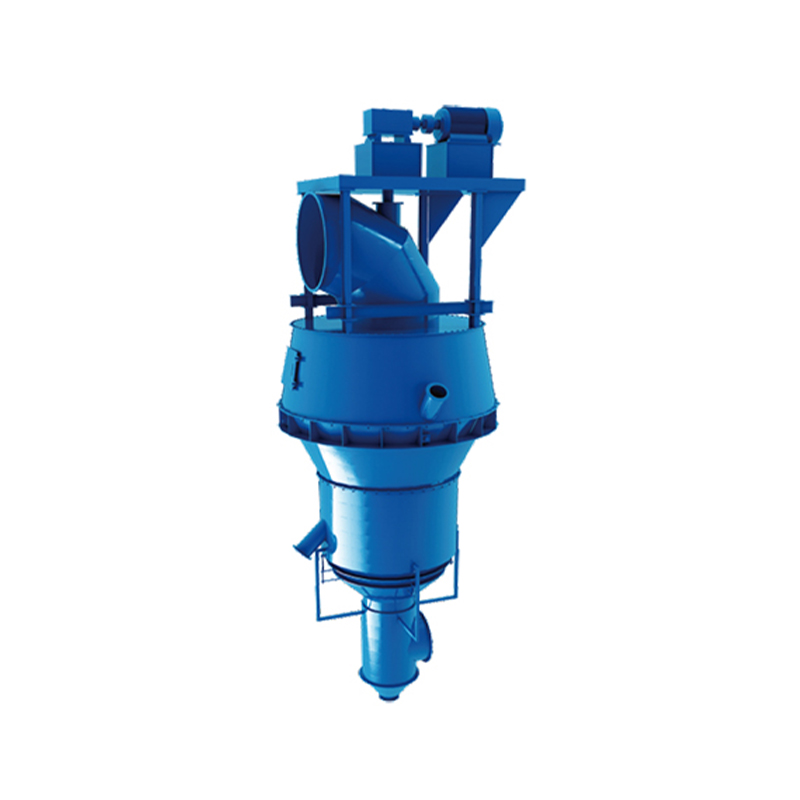
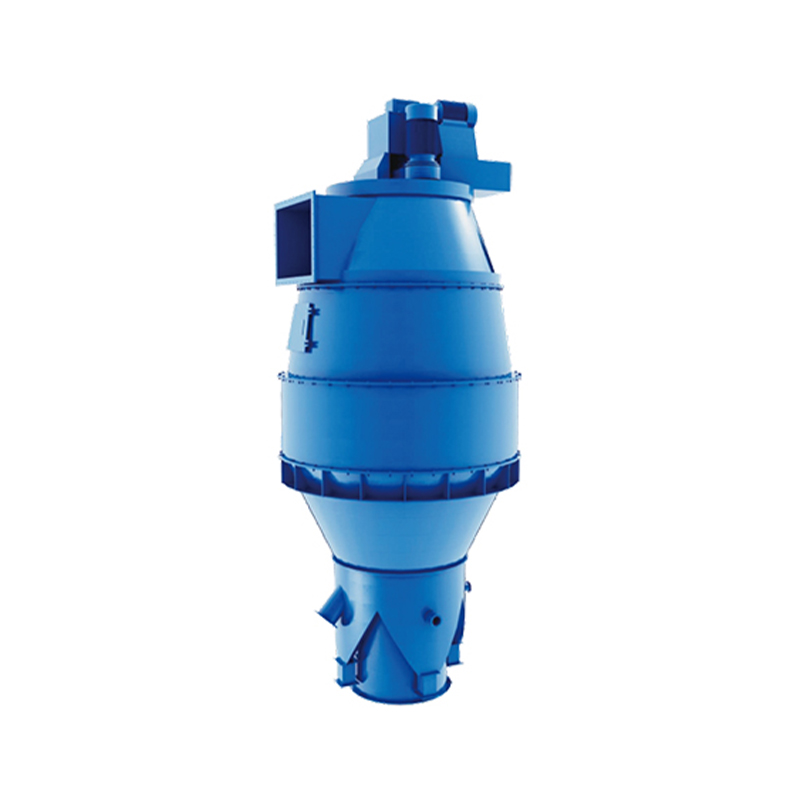
The MX series is a coal mill dynamic classifier developed through the introduction, digestion, and integration of advanced overseas dynamic classifier designs for air swept coal mills. It integrates coarse powder separation with horizontal vortex separation in a single unit, combining two separation stages that are often handled by separate equipment in older classifier designs.
| Parameter | Specification |
|---|---|
| Feed particle size | 0.5 millimeters or smaller |
| Production capacity | 10 to 60 tonnes per hour |
| Applicable materials | Cement, pulverized coal, calcium based powder, silica powder, titanium dioxide, iron ore, quartz stone, construction waste, gold ore |
| Application fields | Cement grinding, new materials, dry mortar, ceramics, rubber, power generation, oil extraction, aerospace |
Product Advantages of the MX Series Classifier
High output across a wide operating range
The classifier structure allows air volume and output to be adjusted flexibly across a wide range without reducing classification efficiency. System output typically increases by 10 to 15 percent once the MX series classifier replaces an older fixed cut point design in the same grinding circuit.
Low resistance and lower energy consumption
An optimized uniform flow field design improves classification efficiency while reducing equipment resistance, which in turn lowers the overall energy consumption of the grinding system compared with classifiers that create turbulent or uneven internal flow patterns.
Simple operation and convenient fineness adjustment
The main drive motor can be controlled remotely from the control room, so operators can adjust rotor speed on the fly to meet changing fineness requirements without stopping production or entering the equipment area.
Low wear and reduced maintenance cost
A novel internal vortex de splitting device allows airflow inside the rotor to rise without rotating together with the cage, which reduces the kinetic moment acting on the rotor. This lowers the driving power required and reduces wear on rotating parts, and sections exposed to highly abrasive material are treated with wear resistant materials and processes to further extend service life.
Industrial Applications of Dynamic Powder Classifiers
Dynamic powder classifiers are installed wherever a grinding process needs a controllable, adjustable particle size cut rather than a fixed separation point.
- Cement grinding systems, where fineness directly affects setting time and early strength of the final cement product
- Pulverized coal preparation for power generation, ensuring coal particles are fine enough for stable combustion in boilers
- New building material and dry mortar production, where a controlled particle size distribution affects workability and finish
- Ceramic and rubber raw material processing, requiring consistent fine powder for uniform product properties
- Mineral and ore processing, including quartz stone, iron ore, and gold ore where classification improves downstream recovery rates
- Specialized fields such as oil extraction and aerospace material preparation, where powder fineness tolerances are especially tight
Key Parameters When Selecting a Dynamic Powder Classifier
Choosing the right classifier for a grinding circuit depends on matching several operating parameters to the mill and the target product rather than looking at capacity alone.
Feed material and target fineness
Confirm the maximum feed particle size entering the classifier, and set the target fineness range in the units used by the plant, since this determines the required rotor speed range and blade configuration.
Air volume and system resistance
Classifier resistance affects the total draft fan power needed across the grinding system, so a classifier with a lower pressure drop at the same air volume reduces overall energy consumption for the plant.
Circulating load and return efficiency
An efficient coarse return path keeps circulating load within a manageable range, and a classifier that sends oversized material back cleanly avoids overloading the mill with material that should have already reported to the fine stream.
Maintenance Guidance for Long Term Reliability
A dynamic powder classifier runs continuously alongside the mill, so a defined maintenance routine keeps classification accuracy stable and prevents unplanned downtime.
- Inspect rotor blades periodically for wear, since blade wear gradually shifts the fineness cut point even when the speed setting stays the same
- Check the drive motor bearings and lubrication on a fixed schedule, because bearing failure is one of the most common causes of unplanned classifier downtime
- Monitor the coarse return chute for blockages, which can build circulating load and reduce mill throughput if not cleared promptly
- Verify rotor speed sensor and control loop accuracy, since a drifting speed signal will cause fineness to drift without any visible mechanical fault
- Replace wear resistant liners in high abrasion zones before they fail completely, especially in circuits processing quartz stone or iron ore
Common Problems and Practical Troubleshooting
| Problem | Likely Cause | Suggested Action |
|---|---|---|
| Product fineness drifting coarser | Worn rotor blades or reduced rotor speed | Inspect blades for wear and confirm actual rotor speed against the control setpoint |
| Rising circulating load | Blocked coarse return chute or overly fine cut setting | Clear the return path and review rotor speed against target fineness |
| High system resistance | Uneven internal air flow or buildup on guide vanes | Clean guide vanes and inspect for material buildup inside the housing |
| Excessive motor power draw | Bearing wear or rotor imbalance | Check bearing condition and confirm rotor balance during the next scheduled stop |
Recent Developments in Dynamic Powder Classifier Technology
Recent improvements to dynamic powder classifiers have concentrated on practical operating gains rather than a change to the basic separation principle.
Combined coarse and vortex separation in one unit
Integrating coarse powder separation with horizontal vortex separation inside a single classifier, as used in the MX series design, reduces the number of separate stages a grinding circuit needs while improving overall classification sharpness.
Remote and automated fineness control
Remote control of the main drive motor lets plants adjust fineness targets from the control room in response to downstream quality feedback, shortening the response time compared with manual mechanical adjustment.
Internal flow field optimization
Uniform flow field designs that reduce turbulence inside the classifier housing are lowering resistance and energy consumption across new classifier models, which directly reduces the electricity cost of running the grinding system.
Frequently Asked Questions About Dynamic Powder Classifiers
What is the difference between a dynamic and a static powder classifier
A dynamic classifier uses a rotating cage or rotor to actively control the fineness cut point through adjustable speed, while a static classifier relies only on fixed guide vanes and air flow, which means its cut point cannot be adjusted without physically changing the vane configuration.
How does rotor speed affect product fineness
Increasing rotor speed raises the centrifugal force acting on particles, sending more mid sized material back for regrinding and producing a finer final product, while decreasing rotor speed produces a coarser product with a wider particle size range.
What feed particle size can the MX series classifier accept
The MX series coal mill dynamic classifier accepts feed particle sizes of 0.5 millimeters or smaller and handles production capacities ranging from 10 to 60 tonnes per hour depending on the material and target fineness.
Which materials can be processed with a dynamic powder classifier
Typical materials include cement, pulverized coal, calcium based powder, silica powder, titanium dioxide, iron ore, quartz stone, construction waste, and gold ore, covering applications from cement grinding to power generation and mineral processing.
Why does classifier resistance matter for energy consumption
Higher classifier resistance forces the system draft fan to work harder to maintain the required air volume, so a lower resistance design directly reduces the electrical power consumed by the fan and lowers the overall energy cost of the grinding circuit.
How much can a modern classifier improve system output
Replacing an older fixed cut point classifier with a modern adjustable design such as the MX series can increase overall system output by approximately 10 to 15 percent while maintaining classification efficiency, based on typical performance reported for coal mill retrofit projects.

 Email:ycjnd@163.com
 Telephone:+86-13770001111
 Phone:+86-515-88582588


