Understanding Ultrafine Powder Equipment and Its Industrial Value
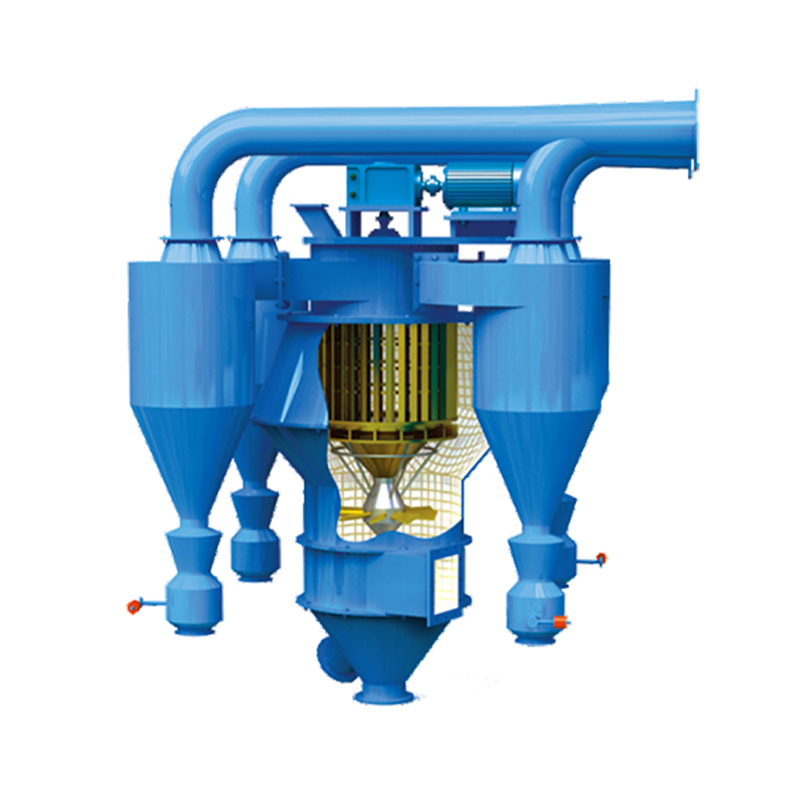
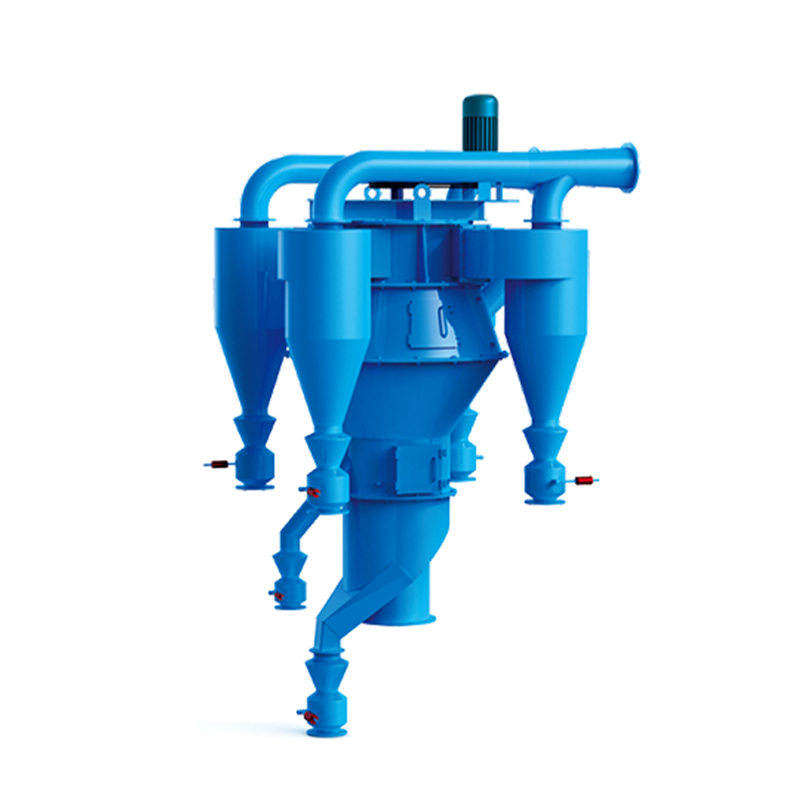
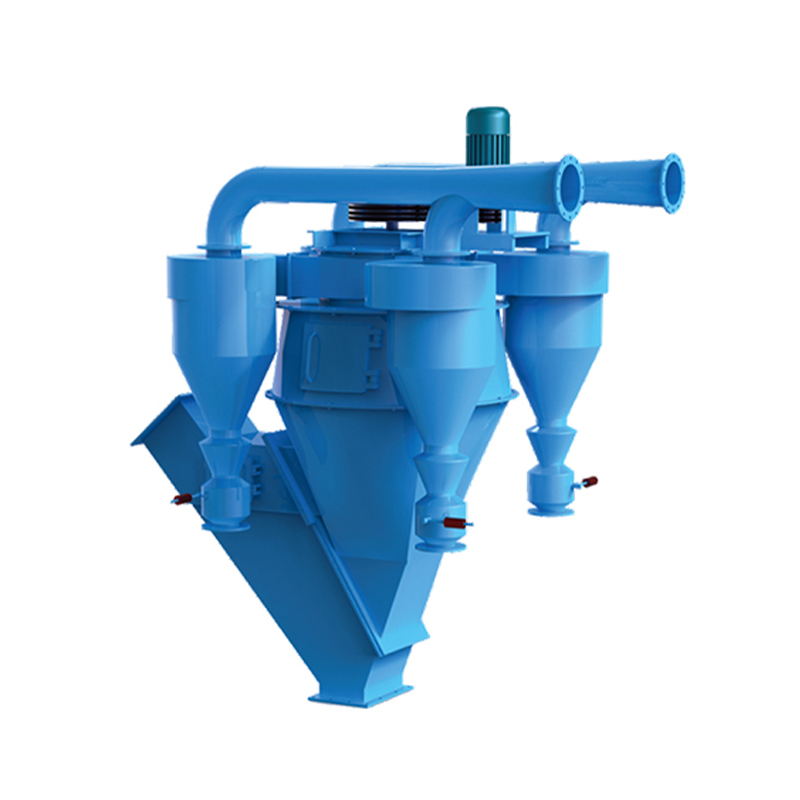
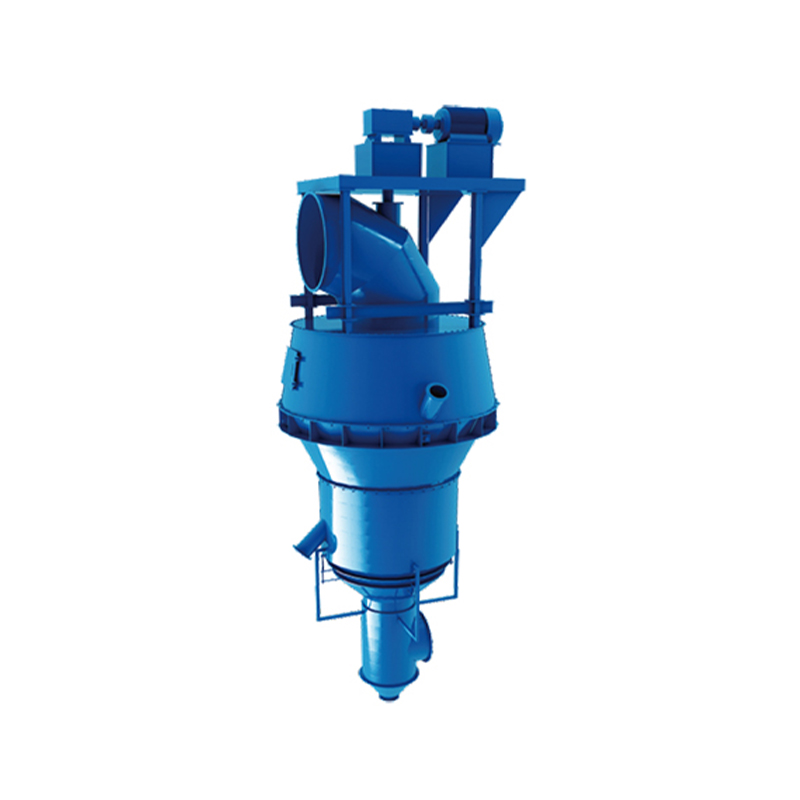
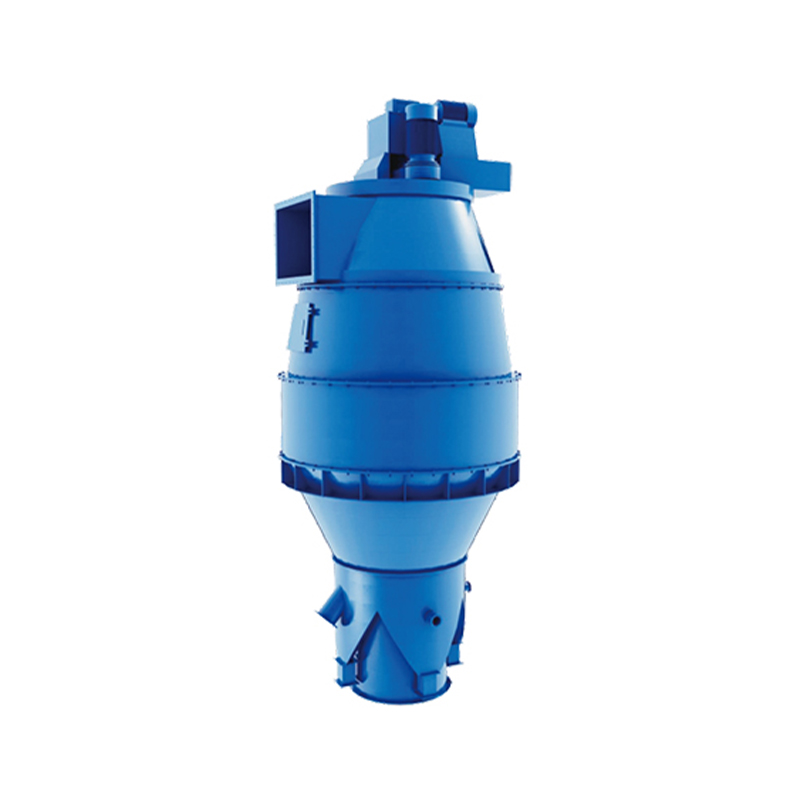
As industries such as chemical engineering, cement, power generation and iron & steel push toward higher material performance, demand for ultrafine powder with a controlled micron-level particle size continues to grow. Ultrafine Powder Equipment is engineered specifically for this purpose, reducing raw material far beyond what conventional grinding lines can achieve while keeping particle size distribution narrow and repeatable batch after batch.
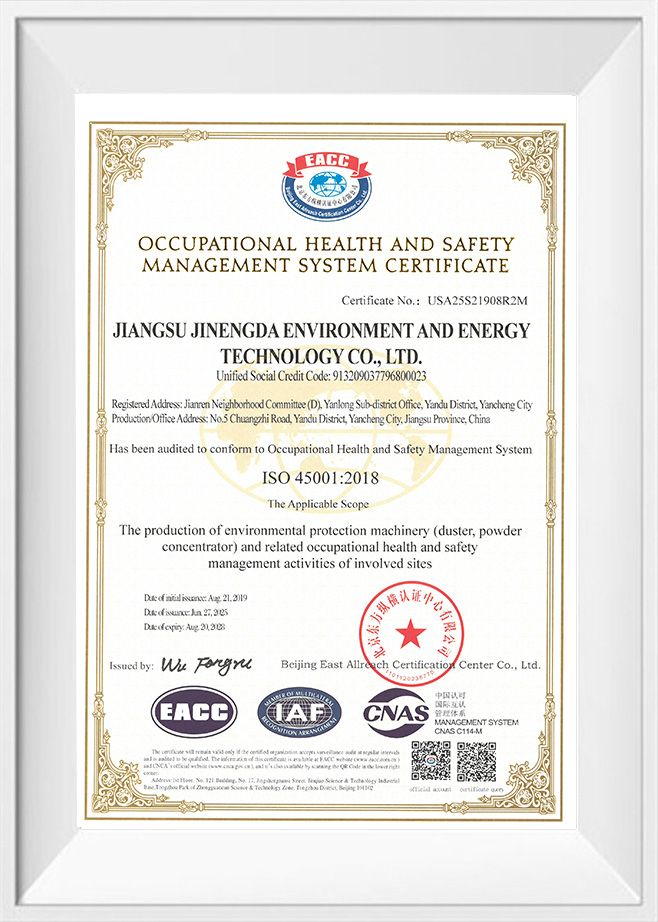
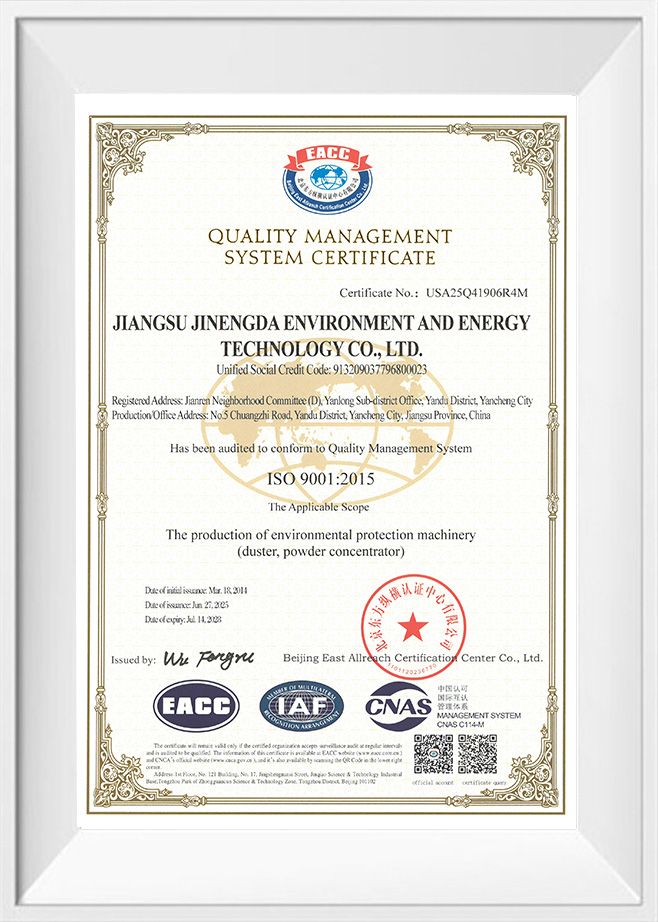
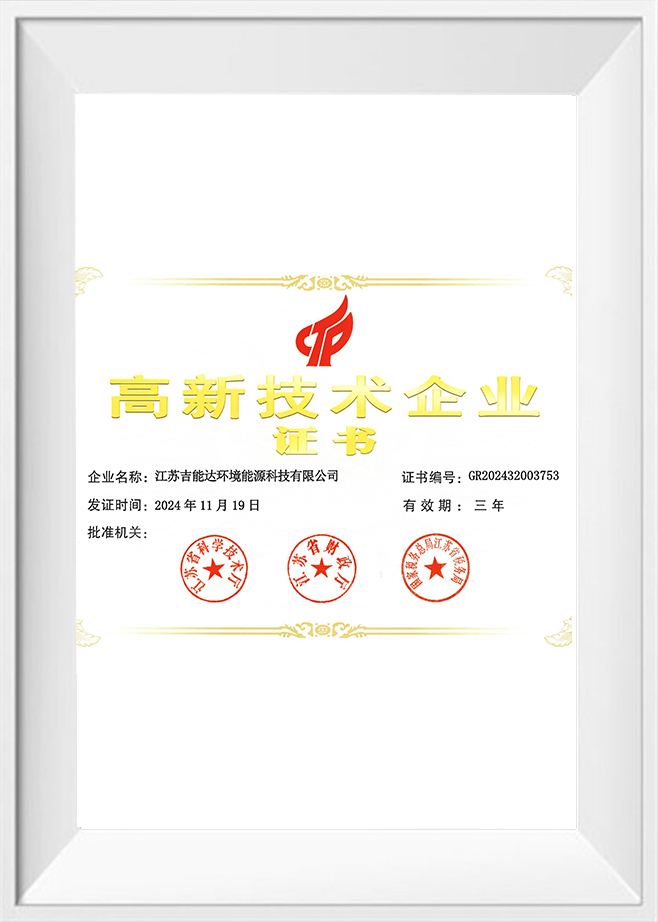
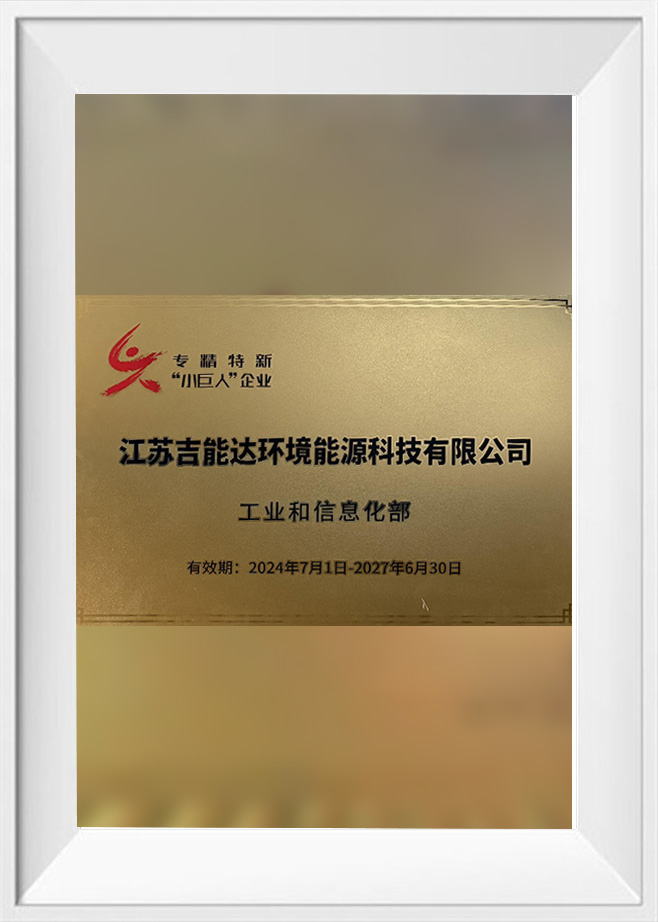
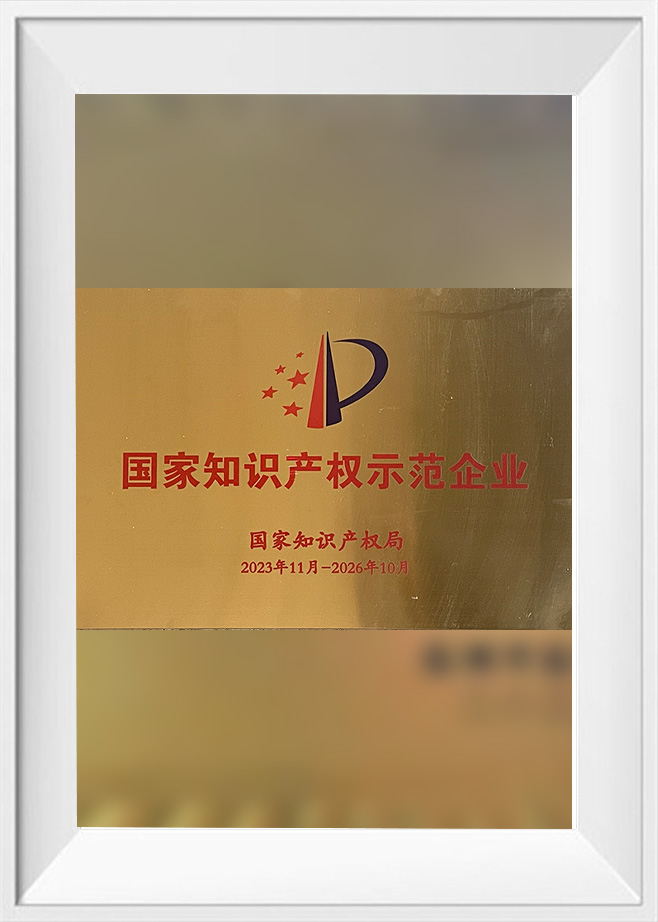
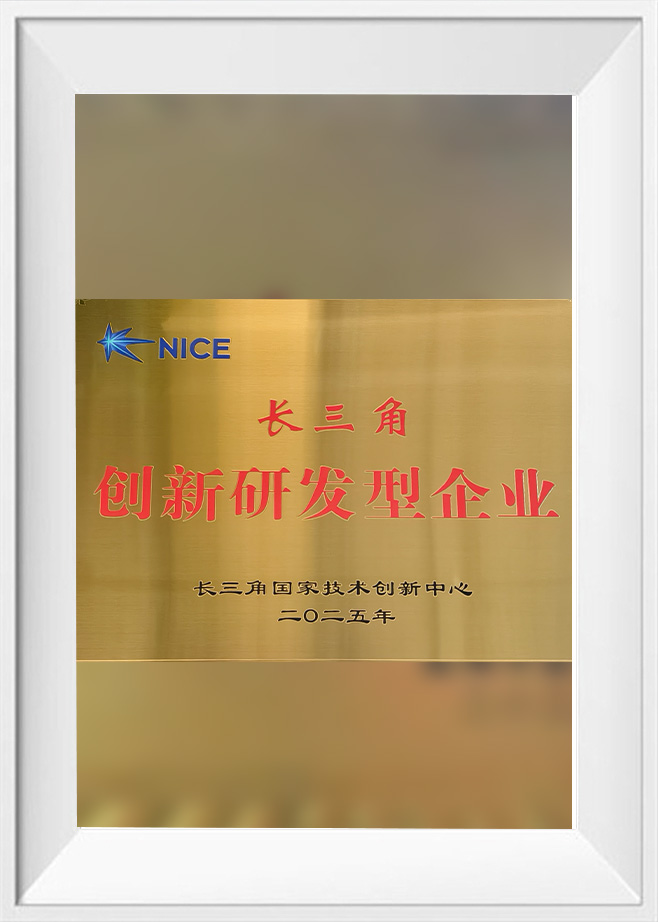
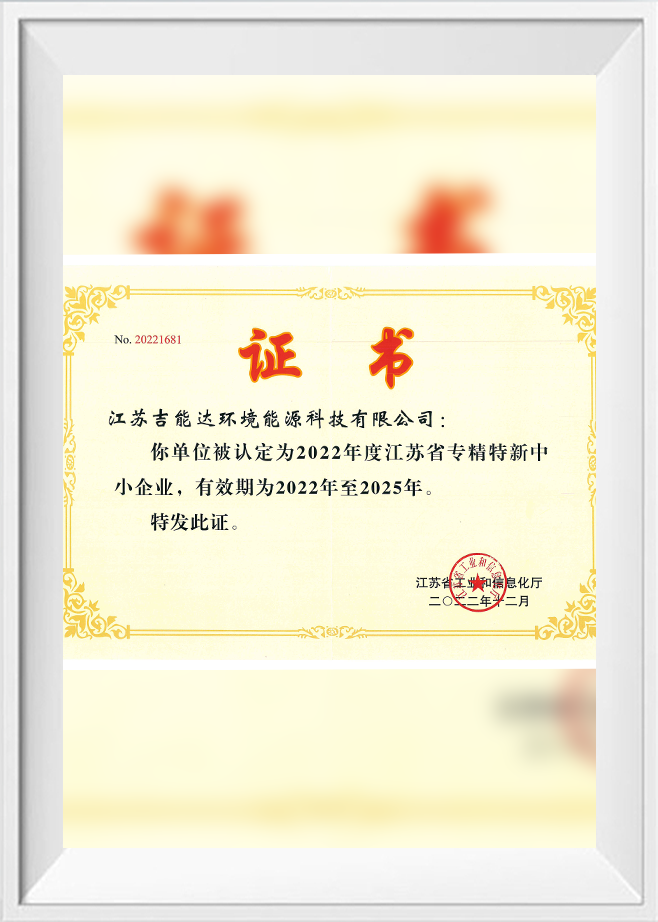
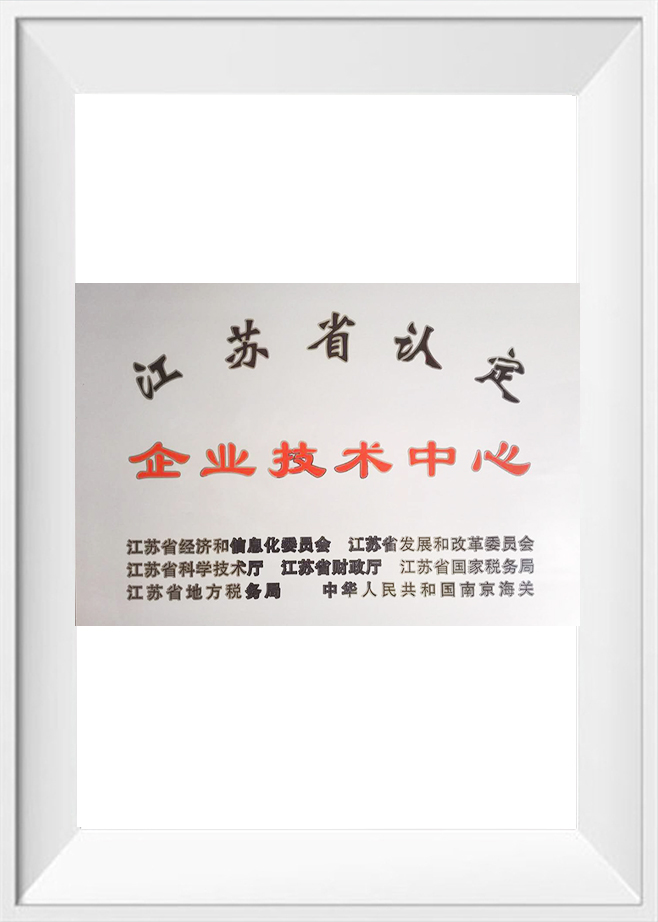
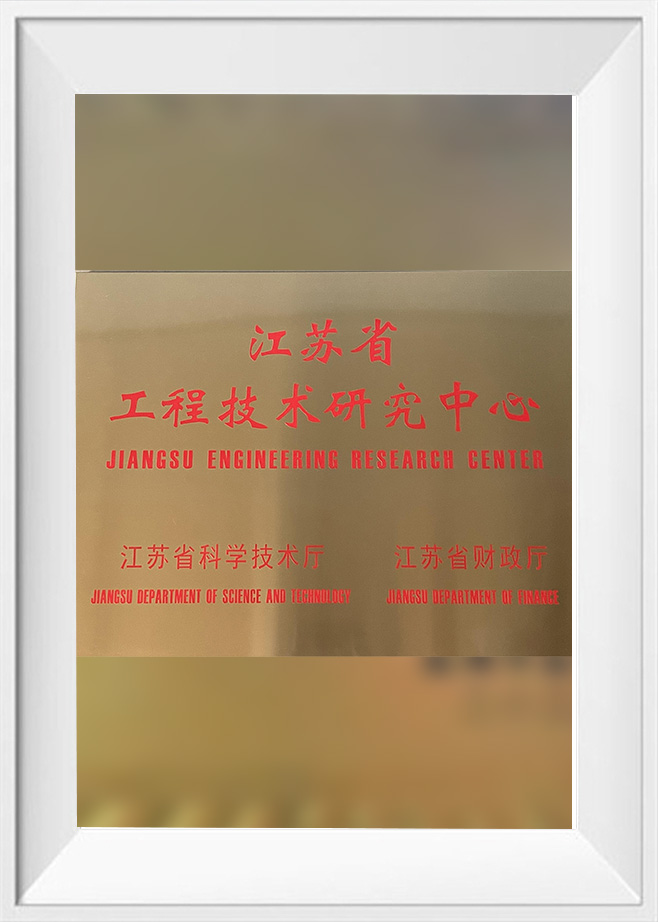
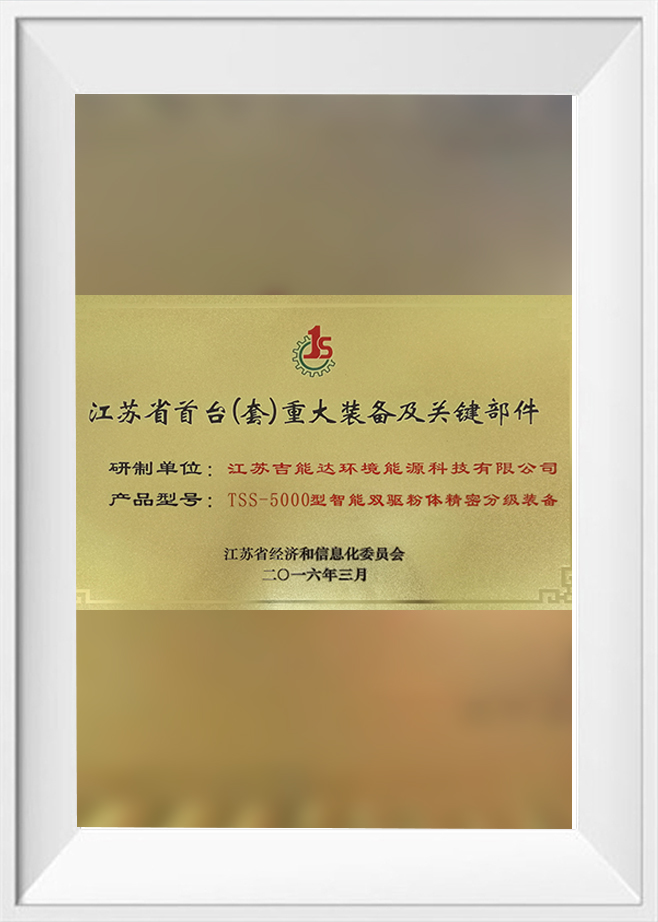
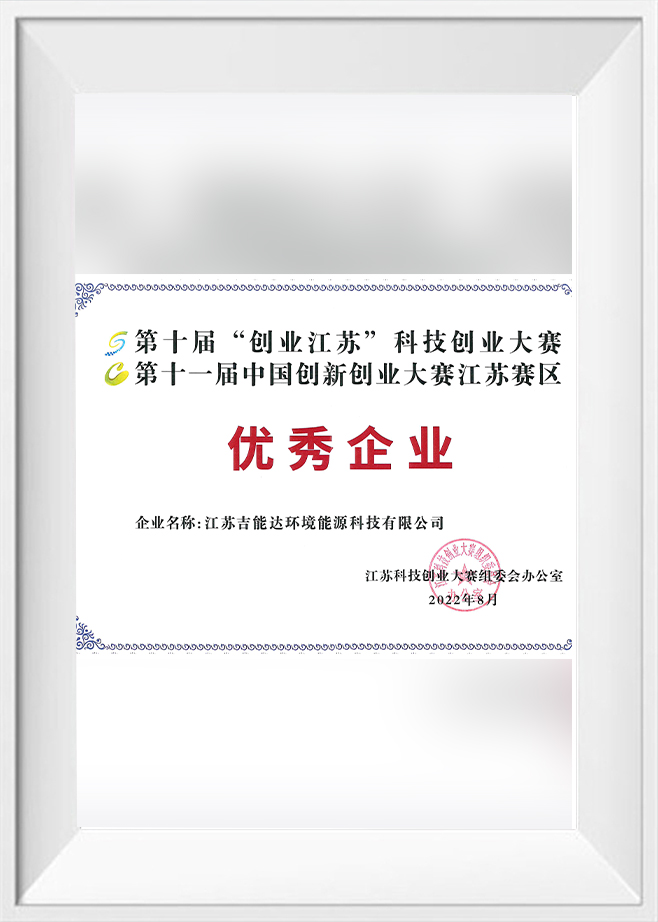
Jiangsu JND Environmental & Energy Technology Co., Ltd., founded in 2002 and based in the Yancheng National High-Tech Industrial Development Zone, is a national high-tech enterprise focused on integrating energy-saving and environmental protection technology R&D with equipment manufacturing and engineering contracting. Backed by cooperation with universities including Southeast University and Tongji University, the company holds a leading position in the field of grinding and powder-separating technology, an area of direct relevance to reliable ultrafine grinding performance.
From Coarse Feed to Fine Output
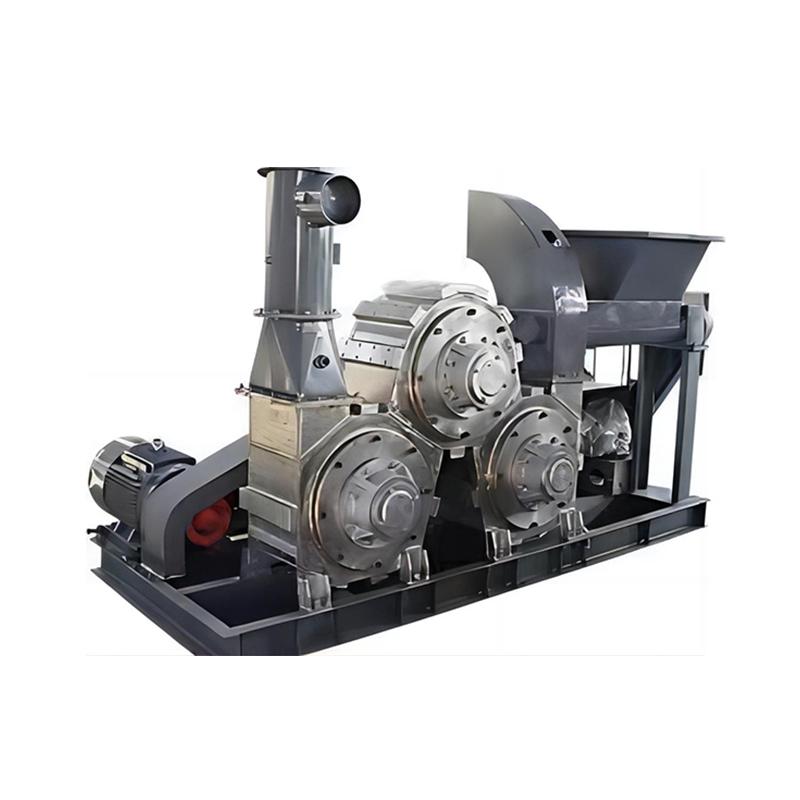
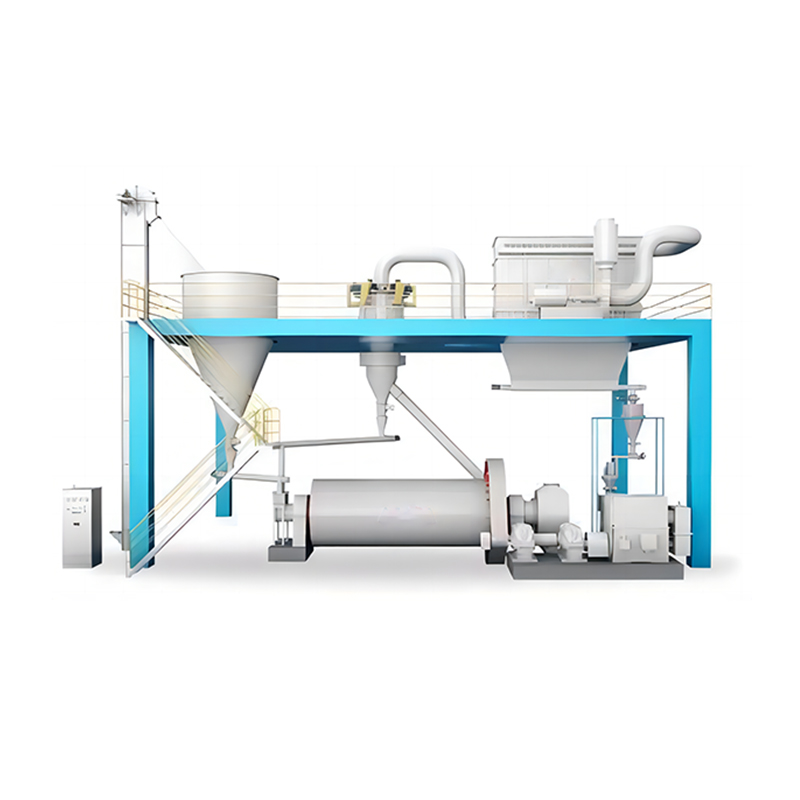
A conventional Powder Grinding Machine reduces material through repeated impact, crushing and friction between grinding media or grinding rings. Material passes through the mill, and an internal or external classifier separates particles that have reached target fineness from those that require further passes, forming a closed grinding loop.
What Sets an Ultra Fine Powder Grinding Machine Apart
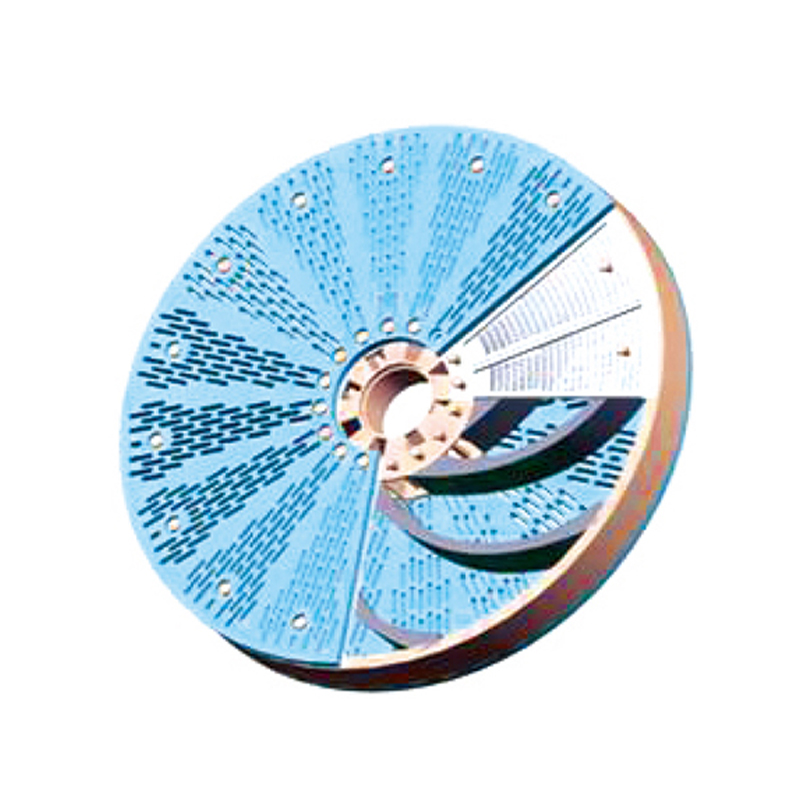
An Ultra Fine Powder Grinding Machine is designed with tighter grinding clearances, higher classifier rotor speeds, and reinforced wear-resistant components to withstand the extended grinding time needed to reach micron-level fineness. These design choices allow the mill to produce a consistently finer output without excessive wear-part replacement, which is one of the main challenges in ultrafine processing.
Advantages of Investing in Ultrafine Powder Equipment
Compared with standard grinding lines, equipment purpose-built for ultrafine output offers several practical advantages, summarized below.
Comparison of standard grinding lines and dedicated ultrafine powder equipment
| Aspect |
Standard Grinding Line |
Dedicated Ultrafine Powder Equipment |
| Achievable Fineness |
Limited to moderate particle sizes |
Micron-level, narrow distribution |
| Wear Component Design |
General-purpose materials |
Reinforced, wear-resistant materials |
| Classifier Precision |
Basic cut-point control |
High-speed rotor with fine cut-point tuning |
| Batch Consistency |
Moderate variation |
Tightly repeatable output |
For manufacturers whose end products depend on fine, uniform powder, this level of control can directly affect product performance downstream, making the equipment choice a quality decision, not only a throughput decision.
Key Factors When Choosing Ultrafine Grinding Equipment
- Confirm the target particle size range and whether the mill's classifier can reliably reach it.
- Check the hardness and abrasiveness of your feed material against the mill's wear-part specifications.
- Evaluate how easily the grinding chamber and classifier can be accessed for inspection and maintenance.
- Ask how the equipment performs over long continuous runs, not only in short test trials.
Frequently Asked Questions
Q1: What particle size range is generally considered ultrafine powder?
While definitions vary by industry, ultrafine powder typically refers to material ground down to the micron range, well below what standard grinding lines are designed to produce.
Q2: Can an existing Powder Grinding Machine be upgraded for ultrafine output?
In some cases, upgrading the classifier and wear-resistant internals can improve fineness, but reaching truly ultrafine output usually requires equipment specifically engineered for that purpose.
Q3: Does finer grinding always mean higher energy consumption?
Generally yes, since more grinding passes are needed to reach smaller particle sizes; well-matched classifier settings help limit unnecessary regrinding and control energy use.
Q4: How often do wear parts need replacement in ultrafine grinding?
This depends on material abrasiveness and operating hours; equipment with reinforced wear-resistant components is designed to extend replacement intervals compared with standard parts.
Building Ultrafine Capability as Part of a Long-Term Strategy
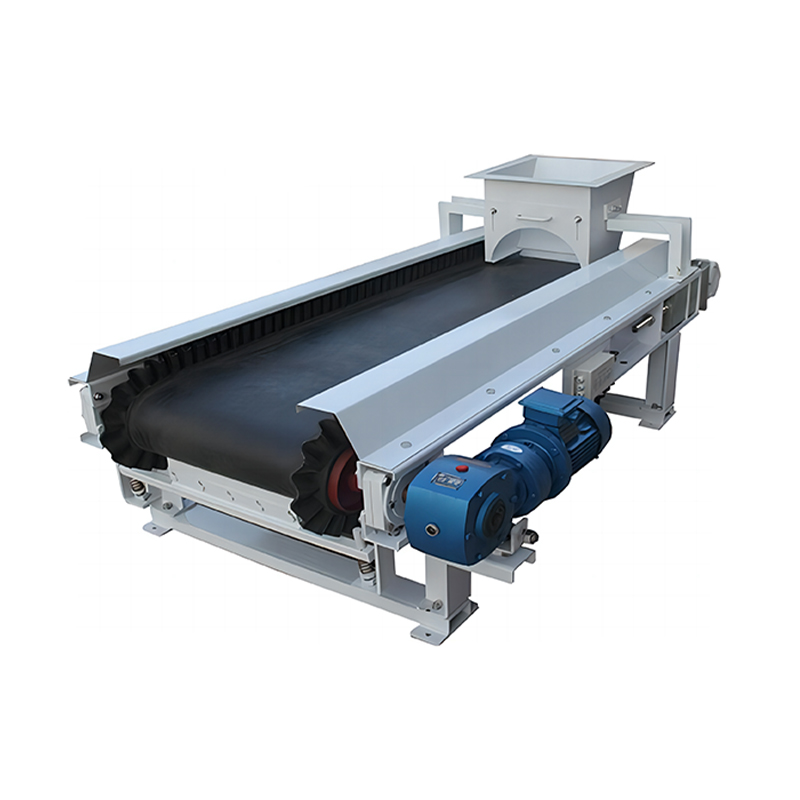
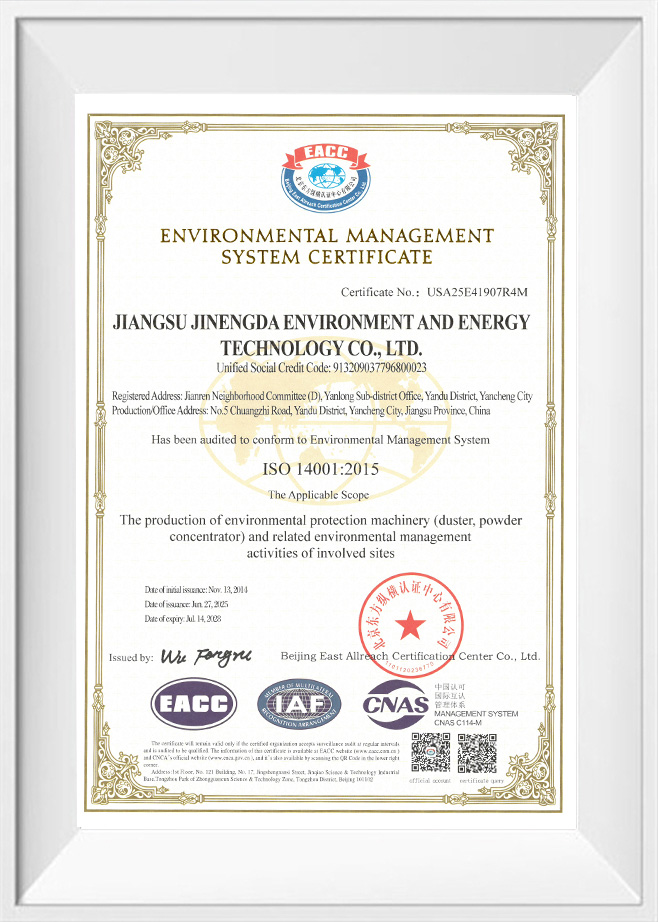
Reaching consistent ultrafine output is rarely a matter of a single machine; it depends on how grinding, classification and material handling work together as one system, refined through ongoing testing and adjustment. This mirrors how JND approaches its own development, stating that it is committed to practicing the concept of environmental protection and creating ecological value in all its business activities, and that it continuously optimizes its systems rather than settling for minimum standards. Applied to grinding technology, this outlook supports the kind of steady refinement that allows an Ultra Fine Powder Grinding Machine and its supporting Ultrafine Powder Equipment to keep pace with increasingly demanding product specifications over time.


 English
 中文简体
 русский
 Español
 عربى


 Email:ycjnd@163.com
 Telephone:+86-13770001111
 Phone:+86-515-88582588



