
 English
 中文简体
中文简体 русский
 Español
 عربى
عربى
Particle size reduction in pharmaceutics is not simply "making the powder finer". It is a unit operation - comminution - whose output, the particle size distribution (PSD), sets d...
READ MORE
Ultrafine Powder Equipment
Working Principle
- Modification Mechanism
Basic Principles of Modification: Achieve a high encapsulation rate or modification effect with less coating material and lower cost.
Main Functions of Surface Modification: Dispersion, Viscosity Reduction, Filling Enhancement, and Interfacial Mechanical Effects.
Modification Methods: Surface Chemical Modification, Coating Modification, and Mechanochemical Modification.
Modification Process Selection: Modification mechanism, modifier, modification process and equipment, process control, and product testing and evaluation.
Different modification objectives, methods, and modifiers require different process equipment. - Basic Process Requirements
The modifier is diluted with water. Measures such as dispersant, emulsifier, and spray addition are used to improve dispersion, and continuous spraying or dripping is linked to continuous powder feeding.
Precise metering of modifier and material is required for uniform addition and feeding, ensuring instantaneous accuracy of the ratio between the two, achieving uniform and firm coating of the modifier on the powder surface, good controllability of process parameters, and stable product quality.
System temperature and time control must meet the process conditions required by the modification mechanism or modifier to ensure sufficient modification reaction or coating.
Equipment operating conditions are convenient.
The use of auxiliary equipment (disintegrator or classifier) and environmental factors (temperature and humidity) are also considered. - Continuous Modification Production Process
Continuous surface modification processes involve continuous feeding of materials and the continuous addition of surface modifiers. Therefore, in addition to the main modification equipment, continuous powder surface modification processes also include continuous feeding and dosing (for adding surface modifiers). Because continuous modification processes utilize different production equipment than intermittent modification equipment, they can be modified continuously in large batches.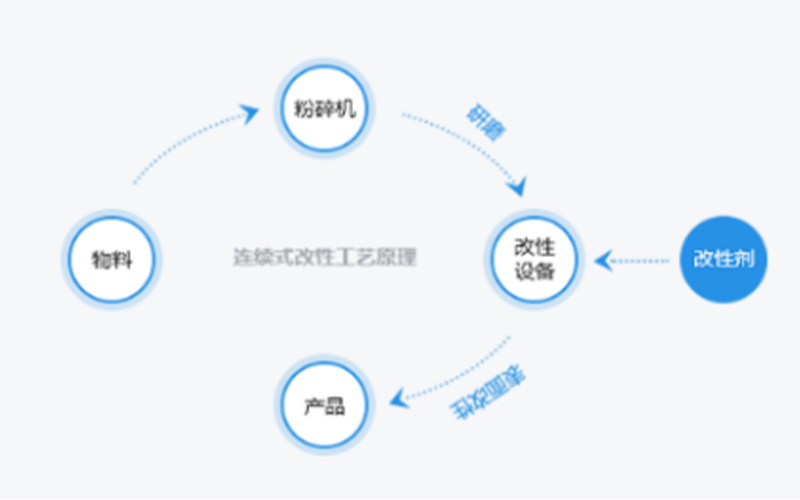
Continuous surface modification processes include: eddy current mills, eddy current mills, eddy current mills, and eddy current mills.
Batch surface modification processes
Batch surface modification processes involve simultaneously feeding a measured amount of powder material and a pre-mixed surface modifier into the surface modification equipment. The surface modification process is performed at a constant temperature for a specified period of time. The treated material is then discharged and refilled for the next batch of powder for surface modification. This process is typically combined with an air classifier to separate agglomerated particles during the modification process, improving product quality.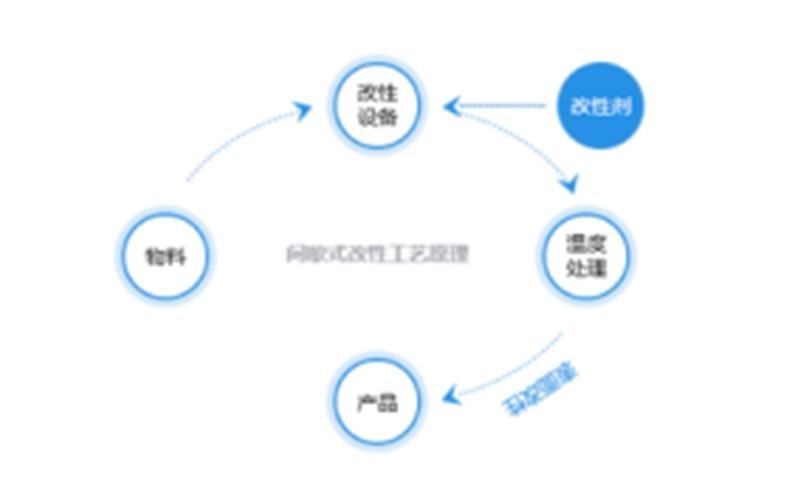
Batch surface modification processes include: high-speed mixing and modification machines.
- Composite surface modification processes
Surface modifiers are added during mechanical force application, fine grinding, or ultrafine grinding, reducing the powder particle size while chemically coating the surface of the particles.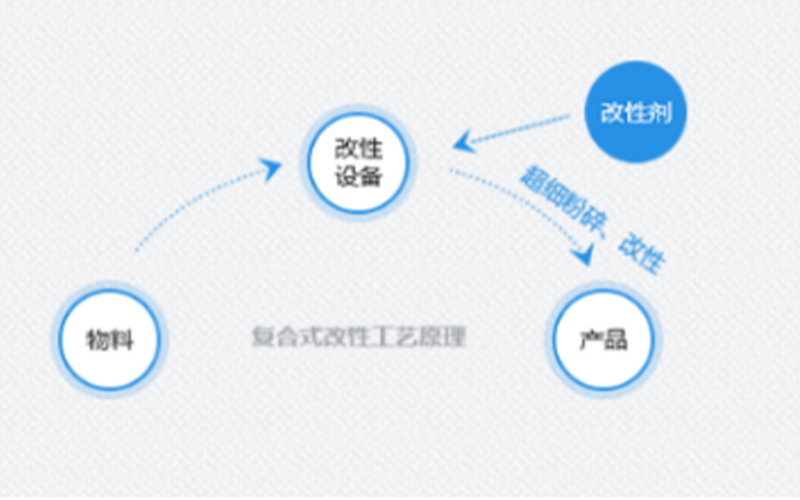
Relevant Cases
We have successfully operated in the professional industry field for more than 22 years.
Recommended Products
Excellent product with exquisite craftsmanship
-
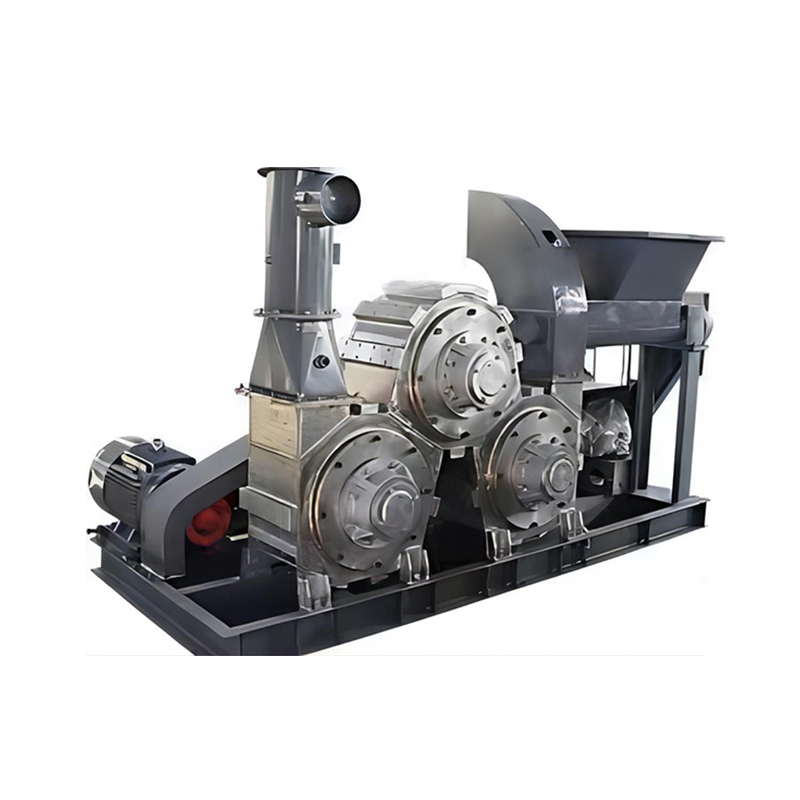
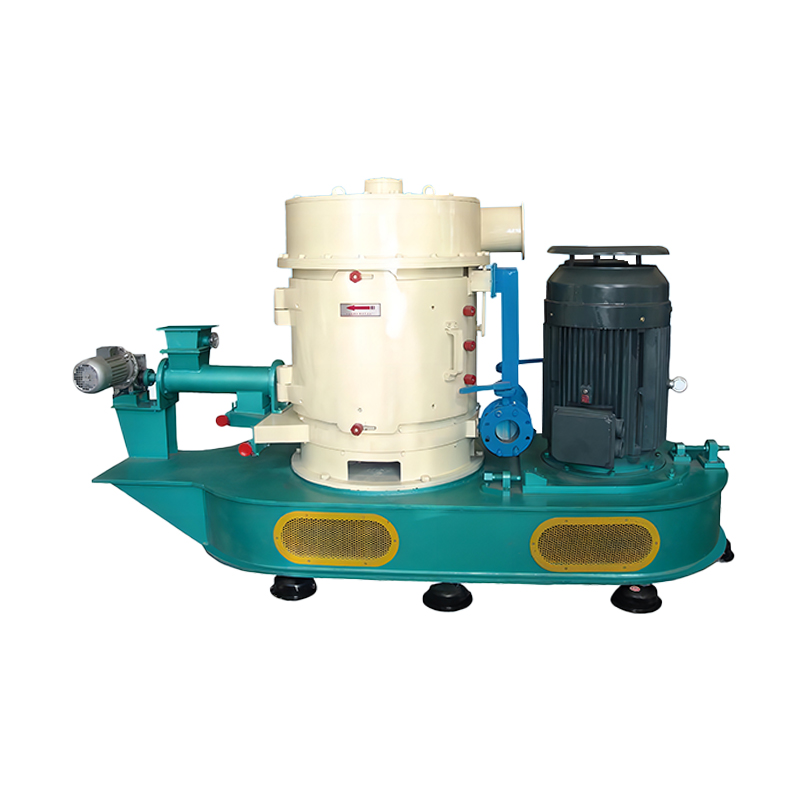 Rotor mill for drying, disintegration and modification
-
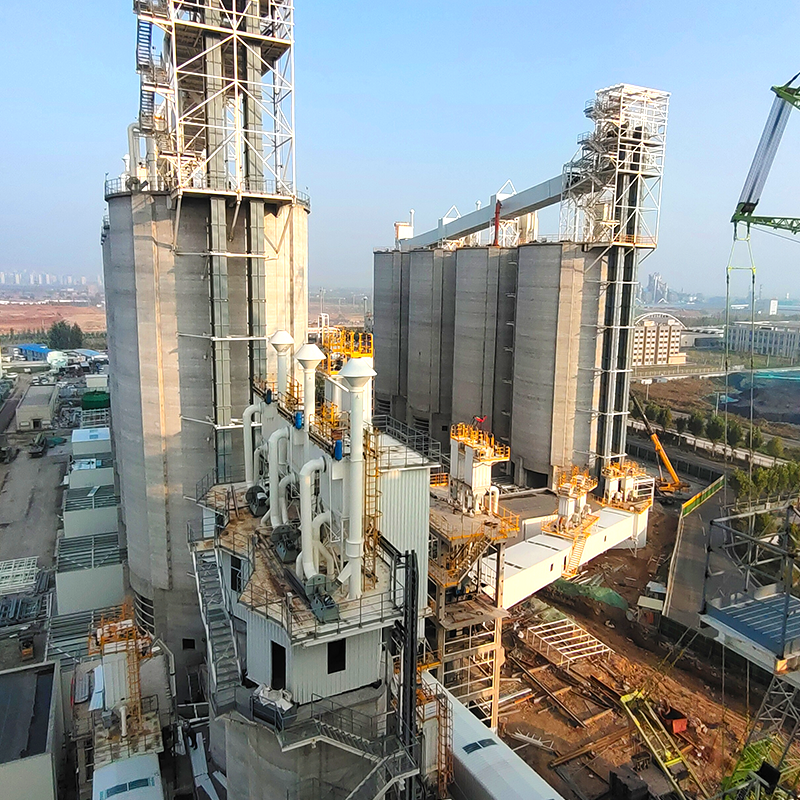 Ultrafine powder dry preparation technology and equipment
-
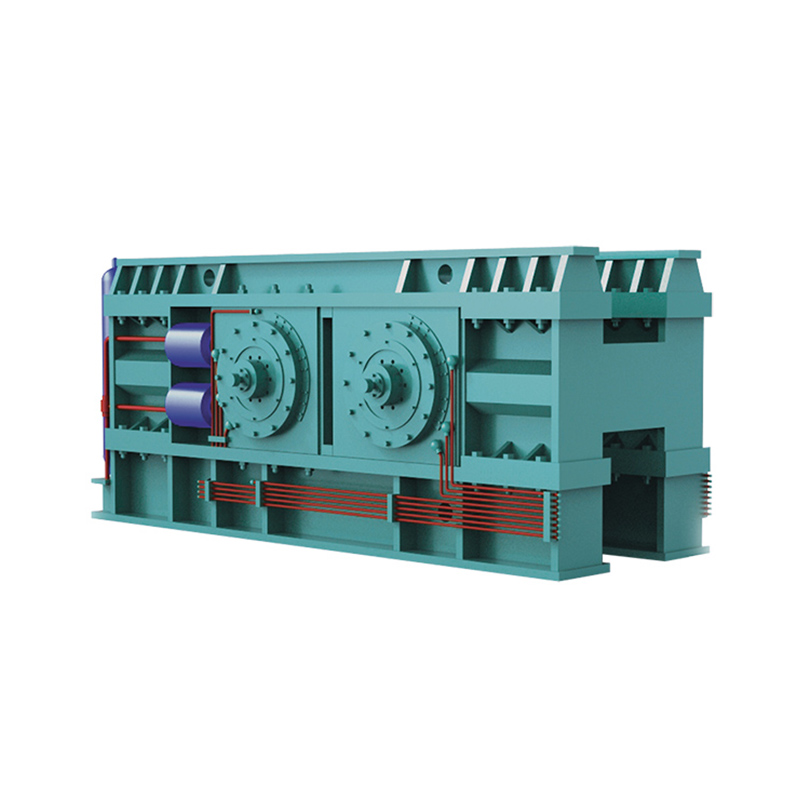 JRC and JRM Series Roller Presses
-
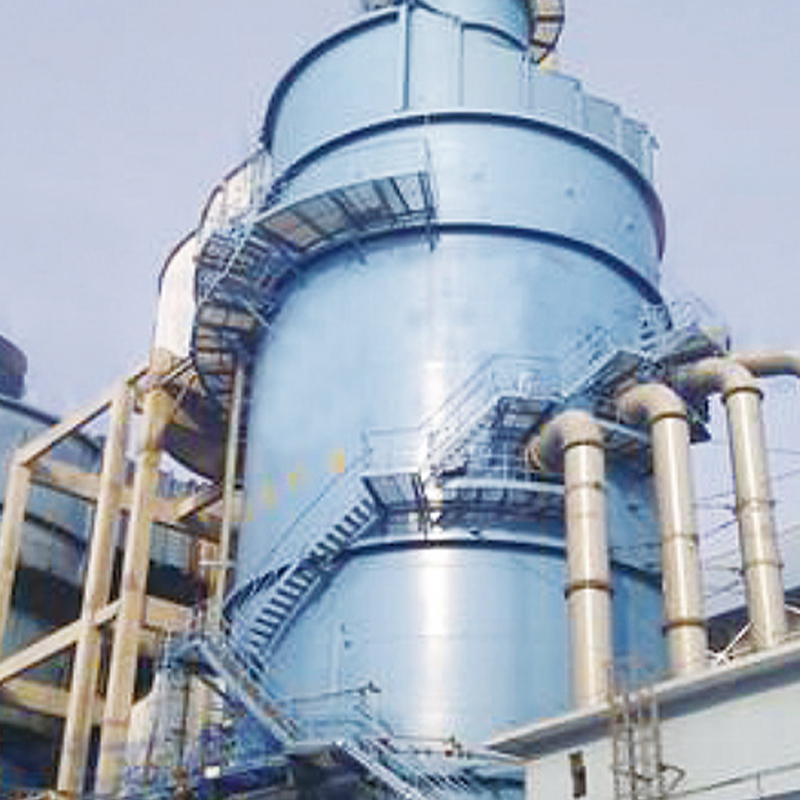 Limestone gypsum flue gas desulfurization technology and equipment
-
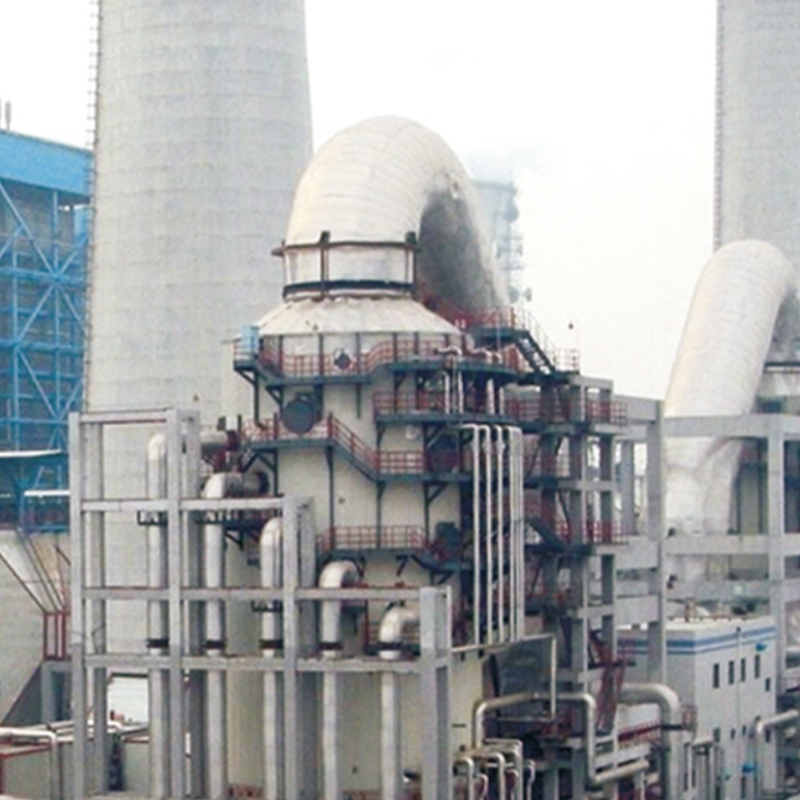 SCR flue gas denitrification technology and equipment
-
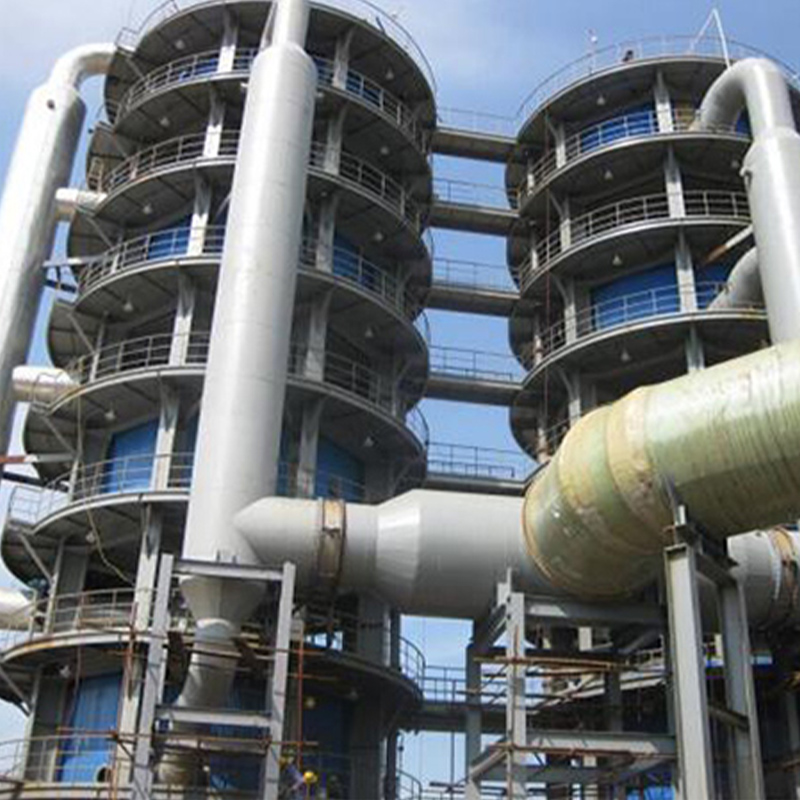 SNCR flue gas denitrification technology and equipment
About Us
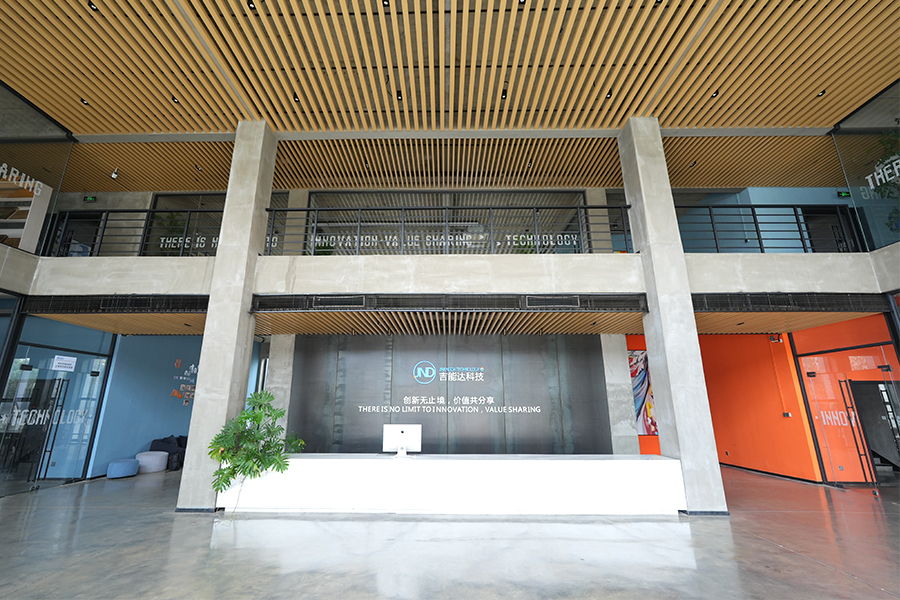
Jiangsu JND Environmental & Energy Technology Co., Ltd.
Jiangsu JND Environmental & Energy Technology Co., Ltd., founded in 2002 and located in Yancheng National High-Tech Industrial Development Zone, China, is a national high-tech enterprise specializing in the integration of energy-saving and environmental protection technology R&D, equipment manufacturing, engineering general contracting and related services for industries such as electric power, chemical engineering, cement and iron & steel.
As a professional Powder coating and modification machine supplier in China, We offer various types of custom-made industrial environmental protection equipment.
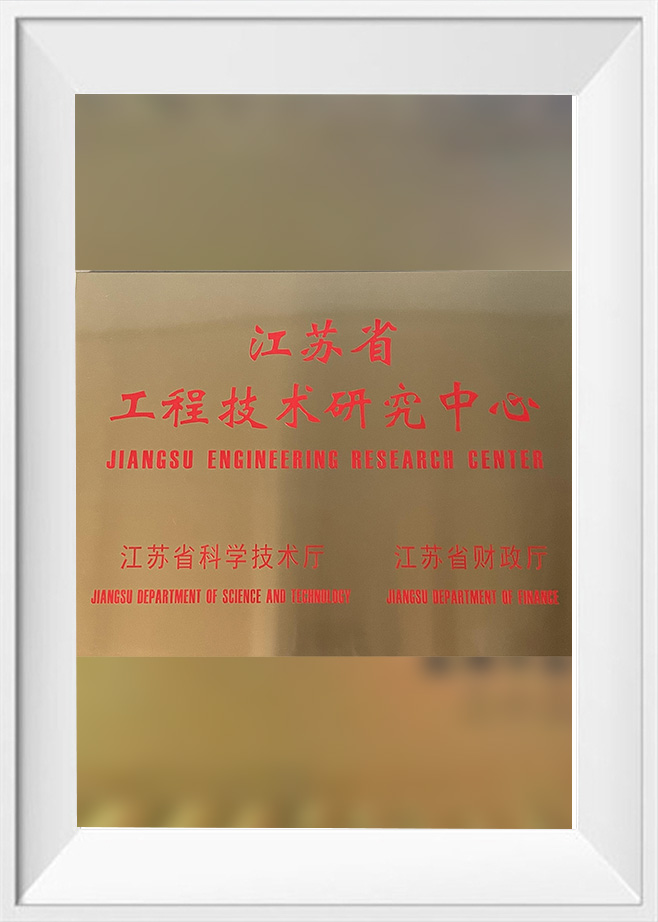
Adhering to the core corporate values of "Innovation Knows No Bounds, Value Is Shared by All", the company has established a provincial-level technology R&D center and a sound R&D system. It has also built long-term, friendly, open and win-win cooperative relationships with many universities including Southeast University and Tongji University (Shanghai), realizing the integration of industry, academia and research. The company takes a leading position in the field of grinding and powder-separating technology.
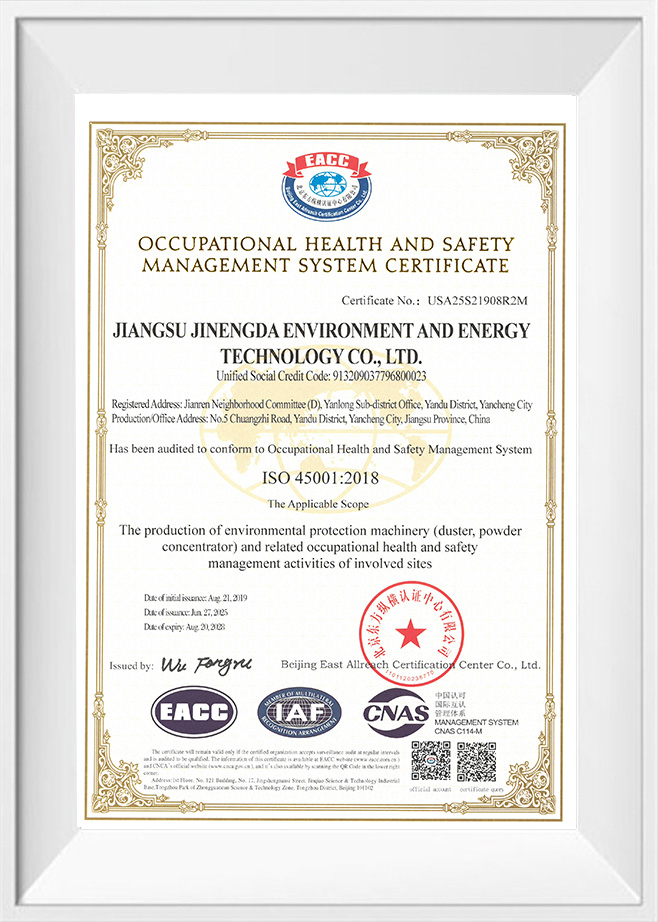
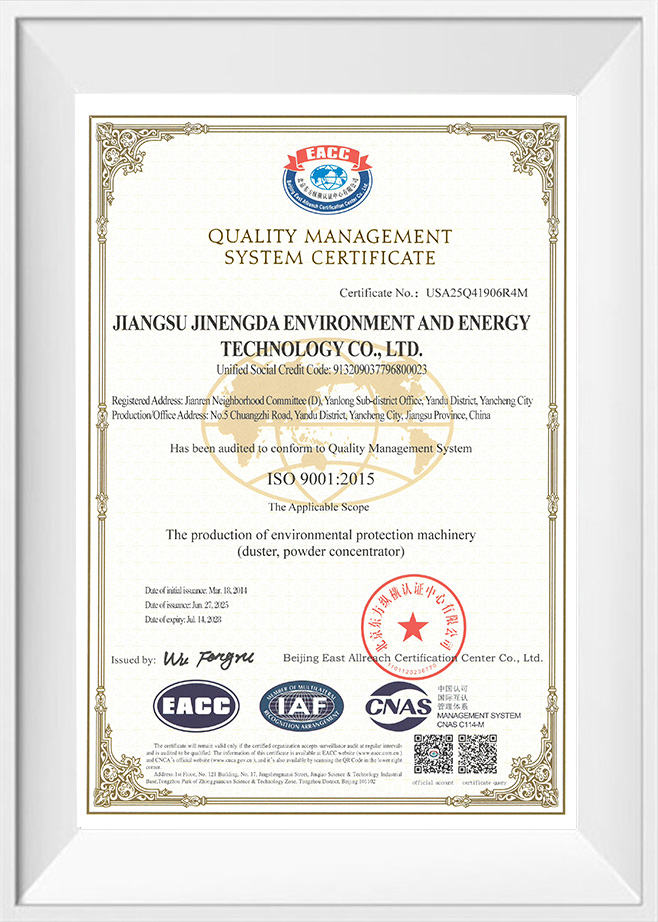
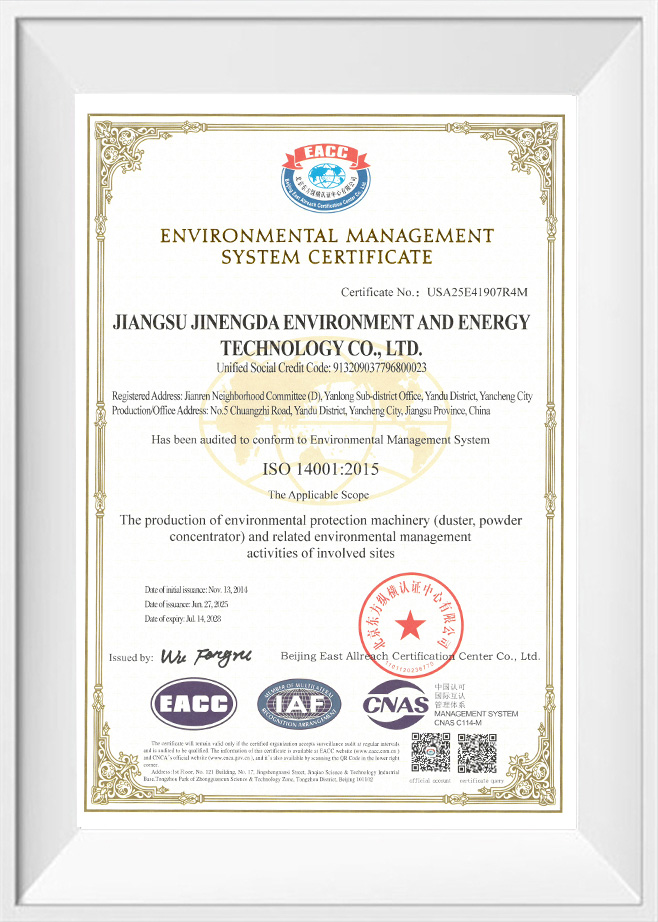
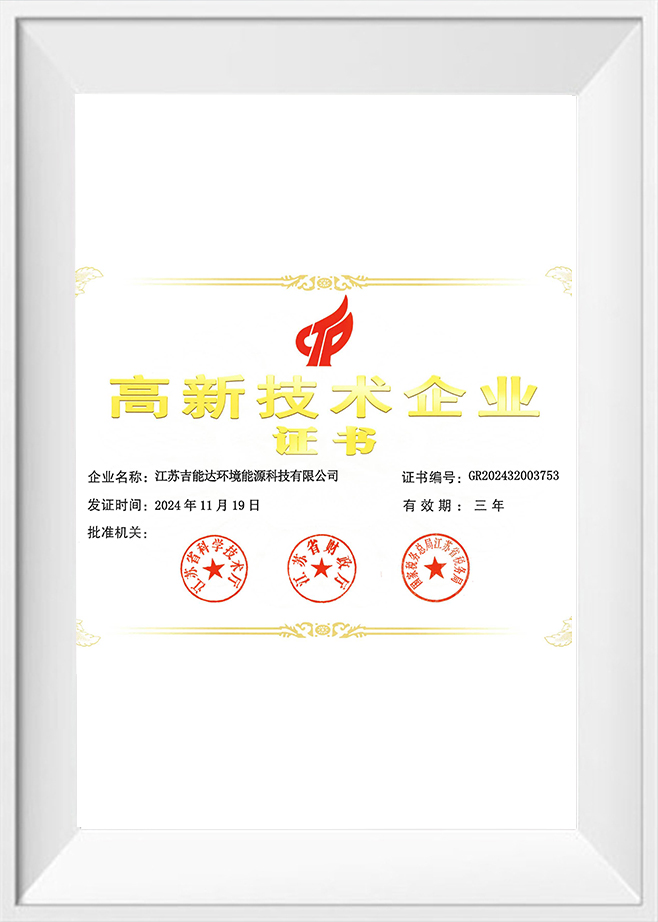
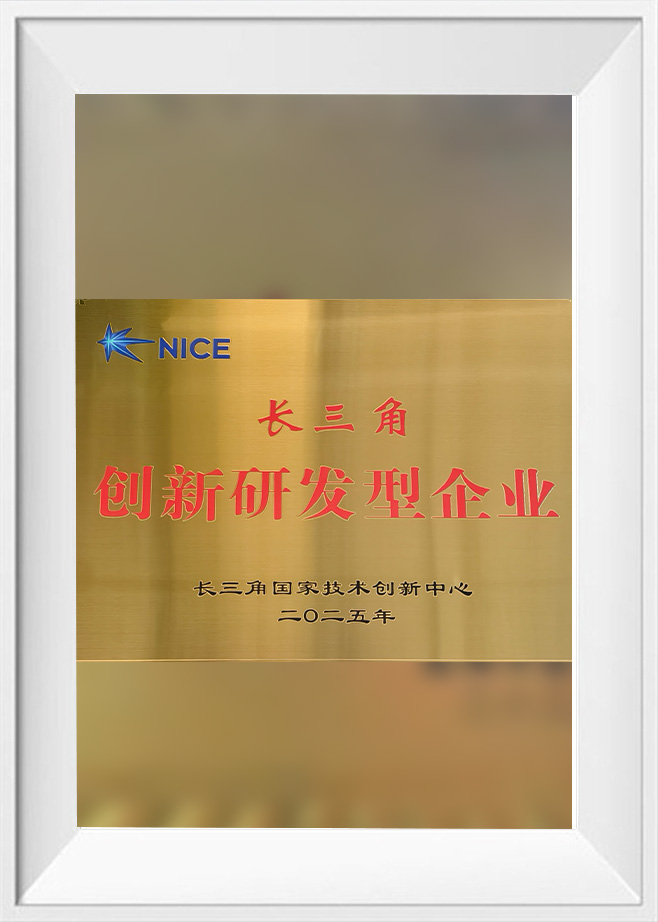
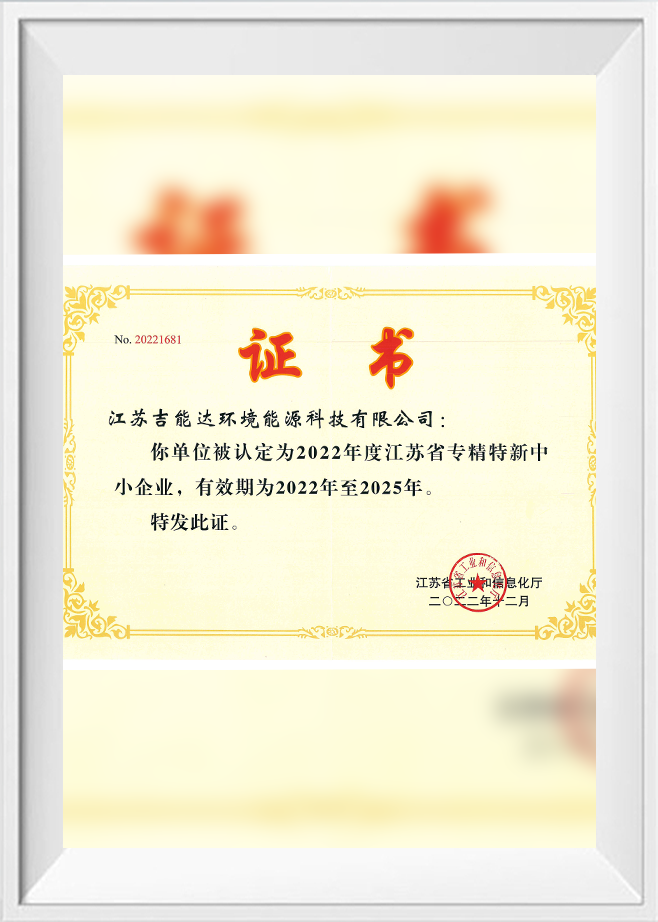
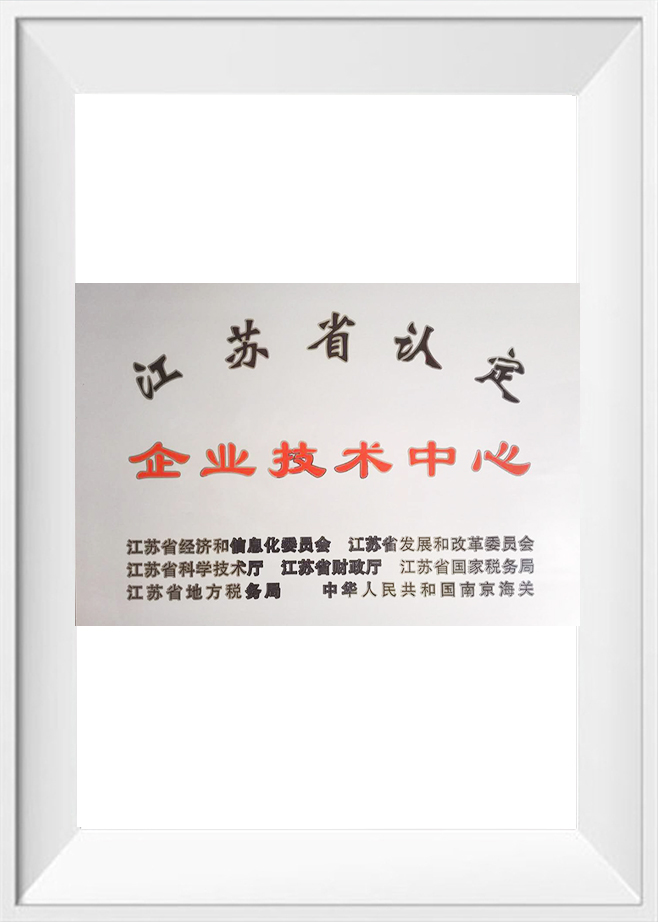
Always centered on its mission and vision, the company continuously strengthens technological innovation and management innovation to achieve sustainable corporate development. It has successively obtained three certifications, namely the ISO 9001 International Quality Management System, ISO 14001 Environmental Management System, and OHSAS 18001 Occupational Health and Safety Management System, and has been recognized as a "National High-Tech Enterprise". For consecutive years, it has been awarded qualifications and honors such as "Jiangsu Provincial AAA-Level Enterprise Observing Contracts and Valuing Credit", "Jiangsu Provincial Private Technology- Based Enterprise", "Top 10 Enterprises with Independent Innovation Capability in Jiangsu Province", and "Jiangsu Provincial Enterprise Technology Center". After 18 years of unremitting efforts, it has become a leading enterprise in the building materials and environmental protection equipment industry. In the future, Jinengda will continue to be committed to leading the development of the environmental protection industry and addressing the ever-evolving challenges in the environmental protection field.
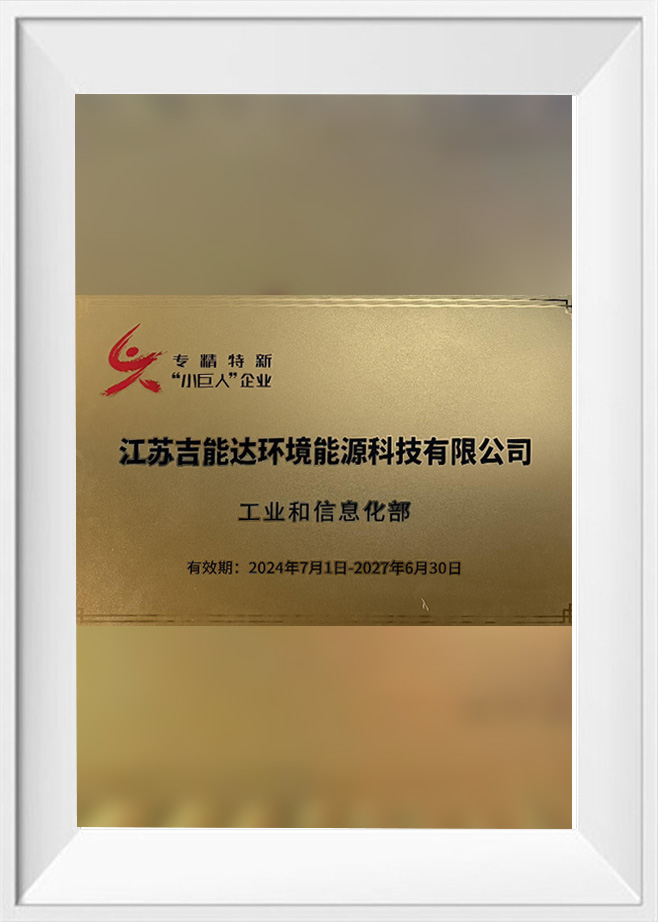
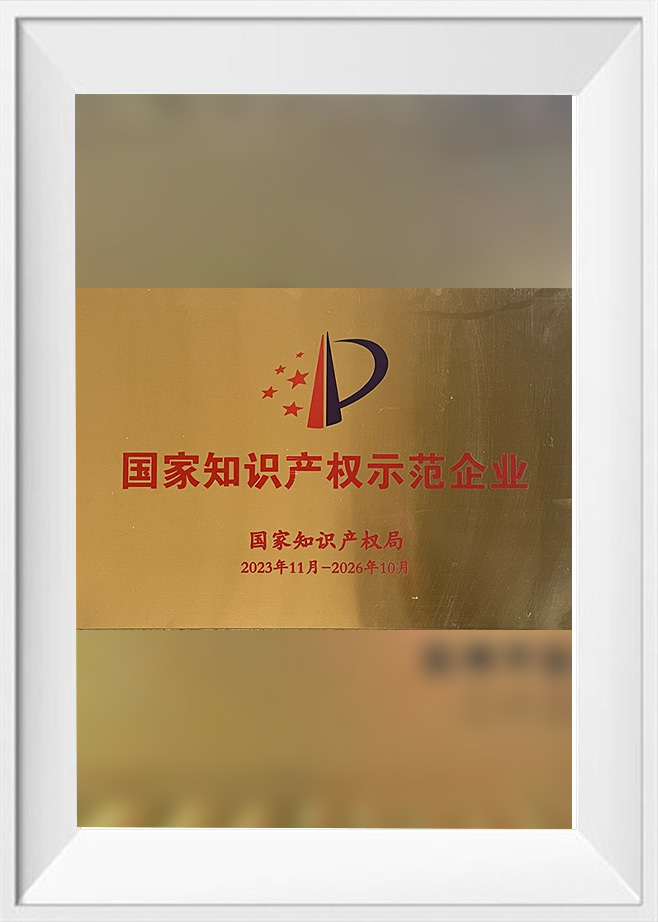
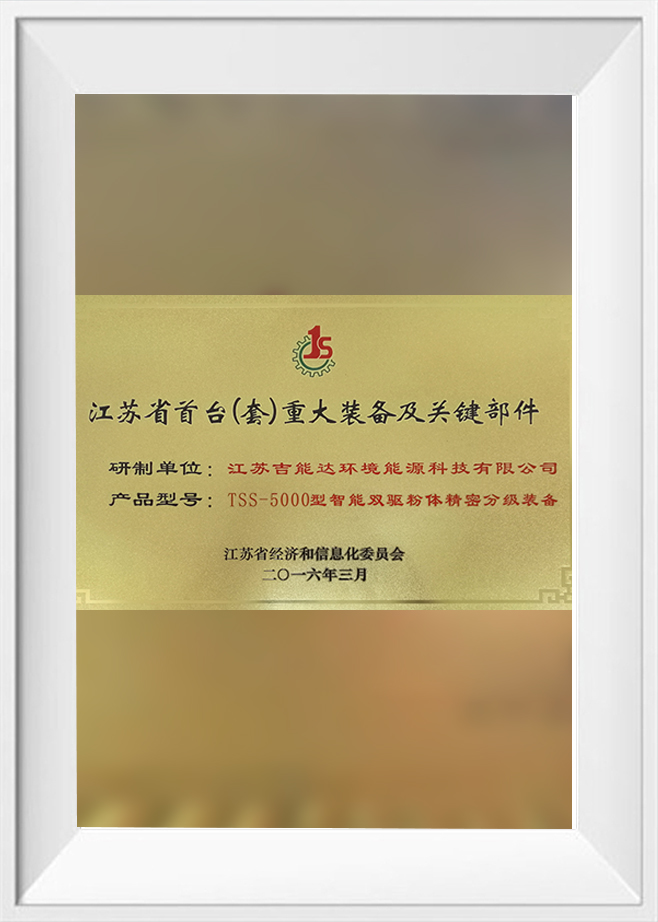
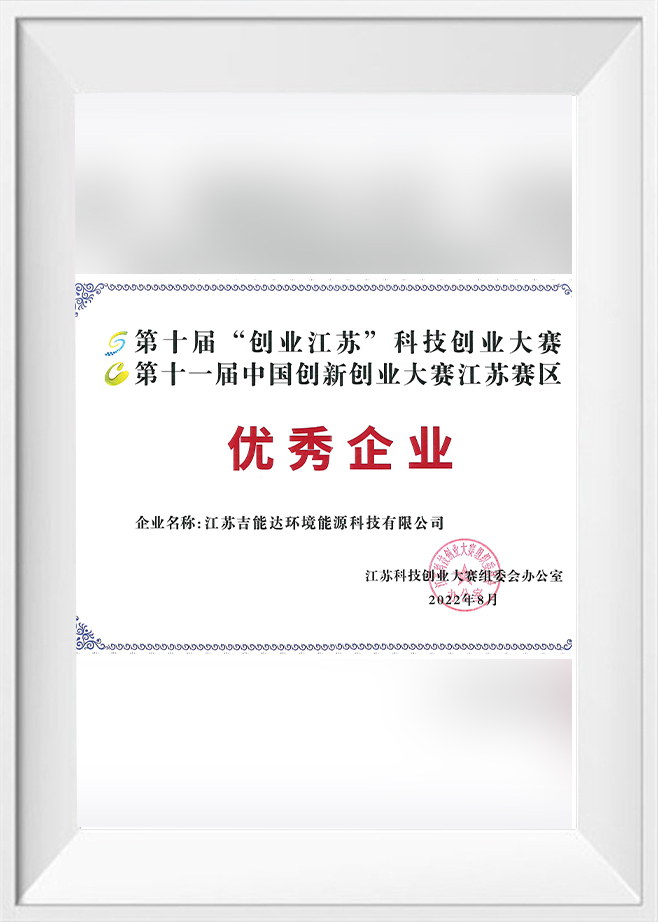
Certificate Of Honor
Message Feedback
Blogs
-
-
Particle size definition: the measured linear dimension of an individual particle, usually expressed as an equivalent diameter because real particles are rarely perfect spheres. I...
READ MORE -
Powder coating is a dry finishing process in which electrically charged particles of resin and pigment are sprayed onto a grounded part and then baked until those particles melt, ...
READ MORE -
Powder coating works by electrostatically charging dry polymer particles, spraying them onto a grounded part, and then heating that part until the particles melt, flow together an...
READ MORE

 Email:ycjnd@163.com
 Telephone:+86-13770001111
 Phone:+86-515-88582588
Founded in 2002, it is a national high-tech enterprise specializing in the integration of energy-saving and environmental protection technology R&D, equipment manufacturing, engineering general contracting and related services for industries such as electric power, chemical engineering, cement and iron & steel.
Copyright © Jiangsu JND Environmental & Energy Technology Co., Ltd. All rights reserved.
Powder coating and modification machine Supplier Powder coating and modification machine Custom Factory


