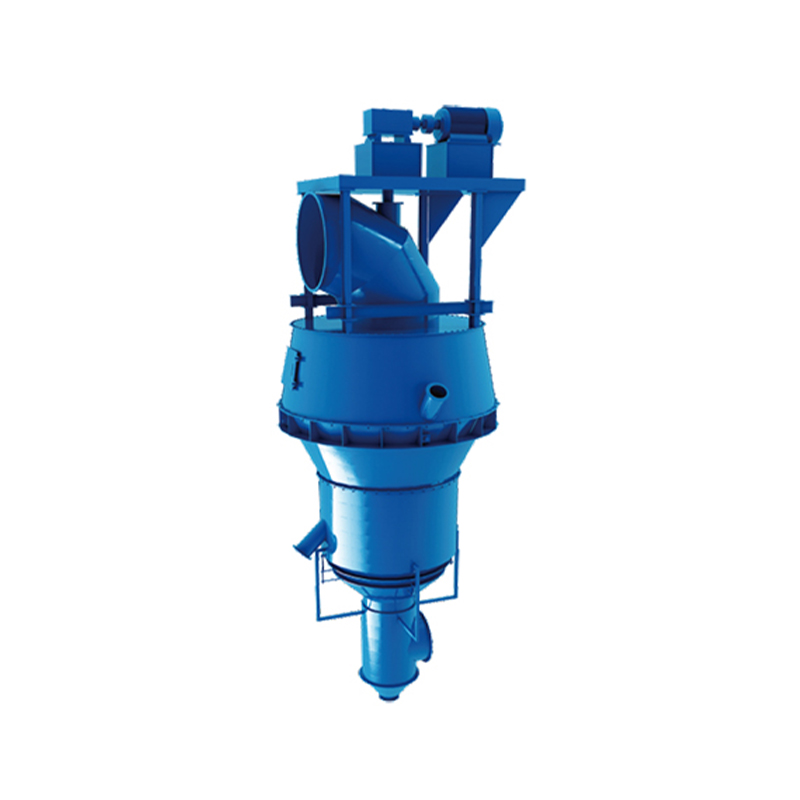
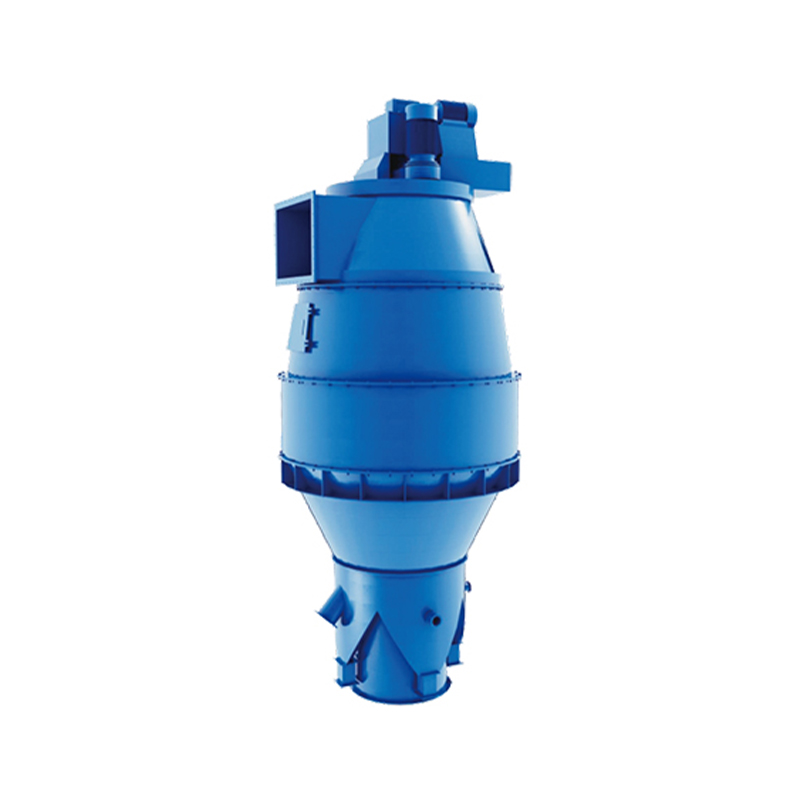
In industries such as power generation, chemical engineering, cement and iron & steel, achieving a precise particle size distribution is often as important as the grinding step itself. Powder Classification Equipment sits at this critical stage, sorting ground material by fineness so that only particles meeting the target specification move forward, while oversized fractions are returned for further grinding. Without this step, a plant risks inconsistent product quality and wasted energy from over-grinding material that is already fine enough.
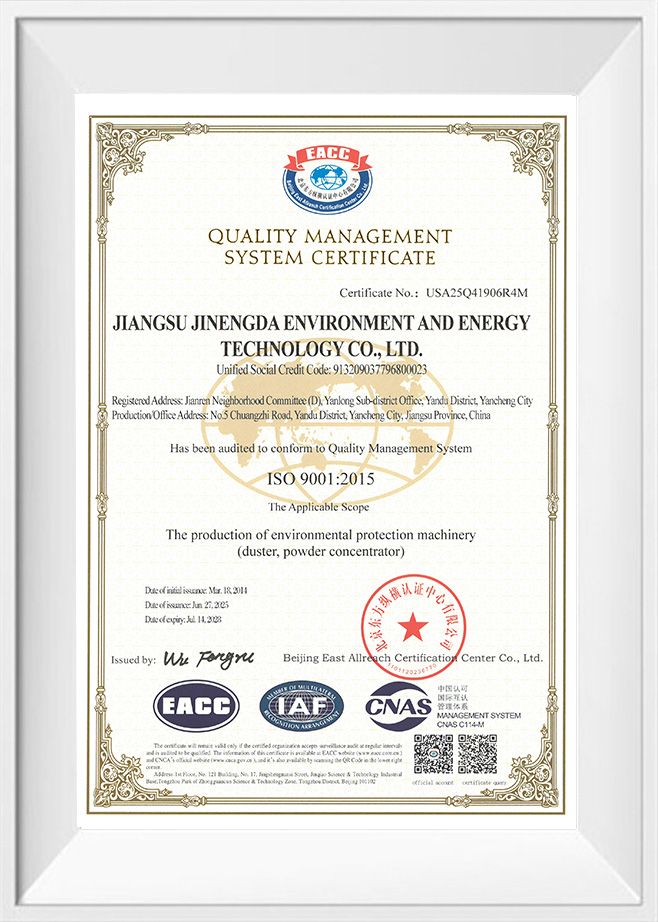
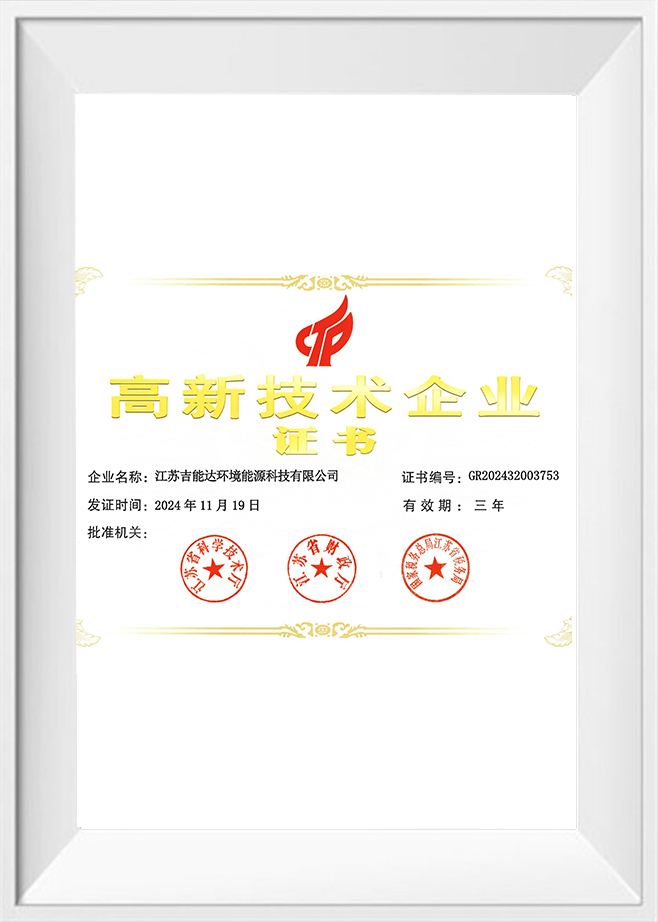
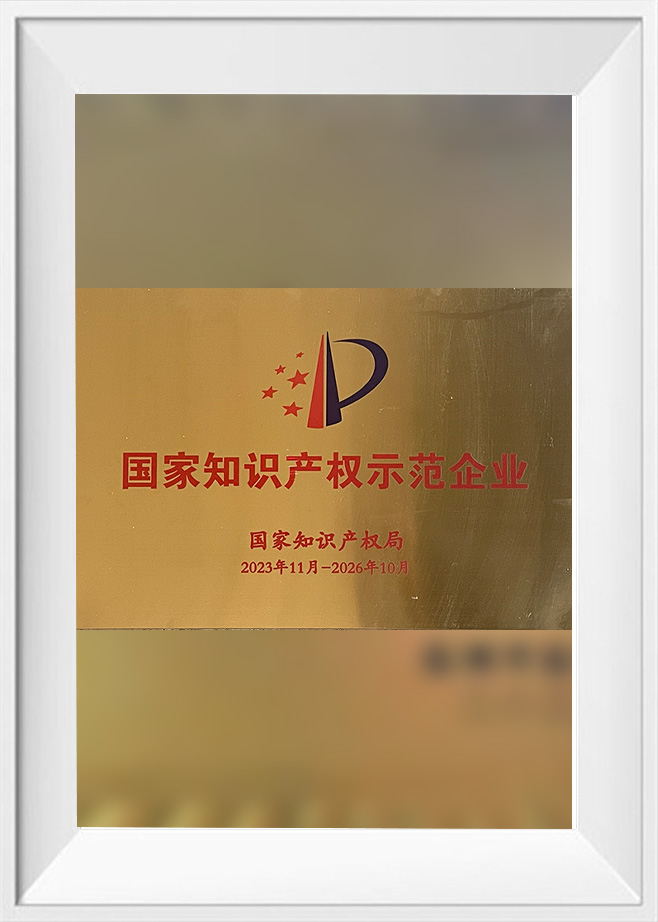
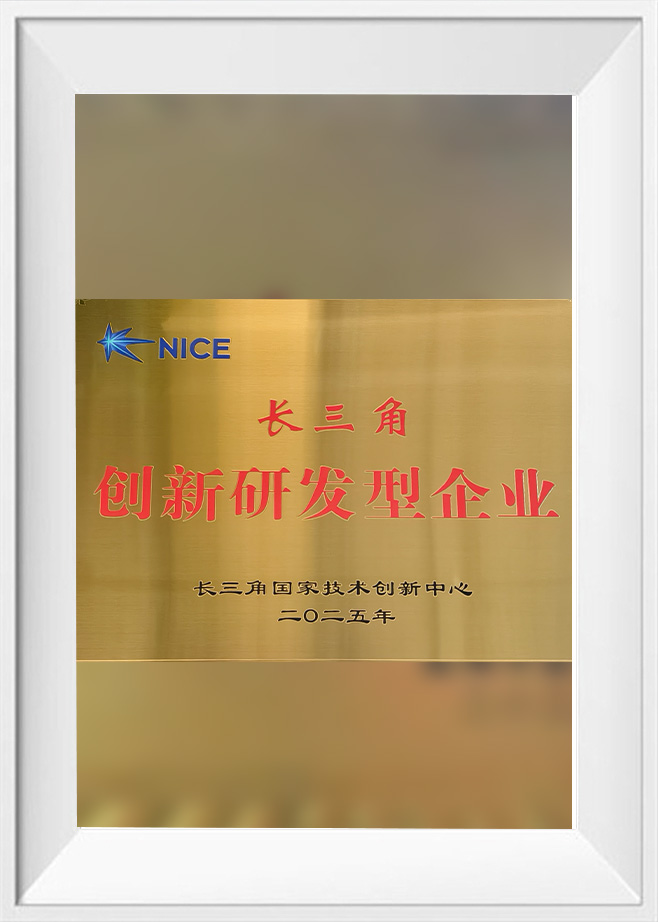
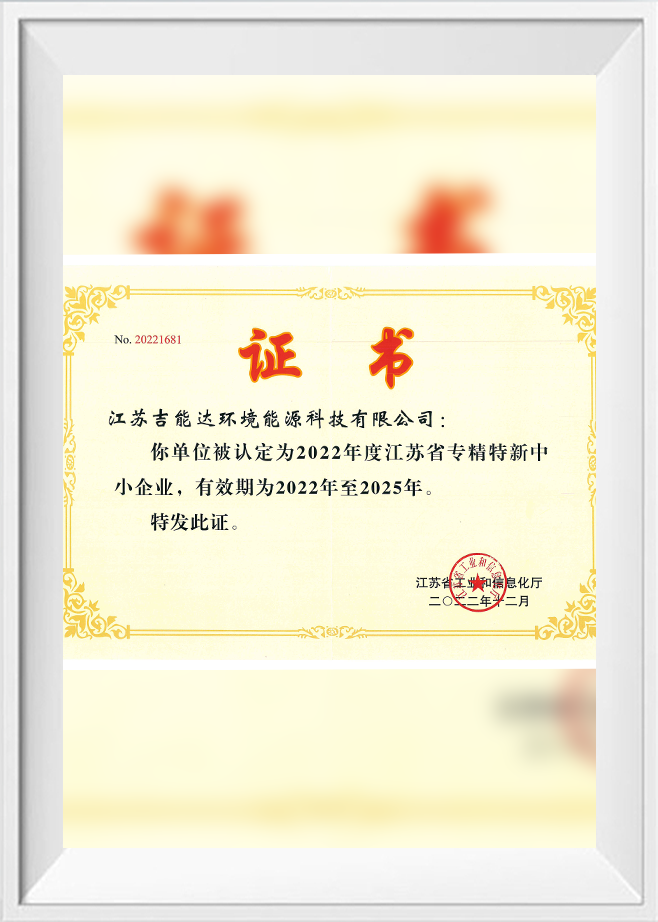
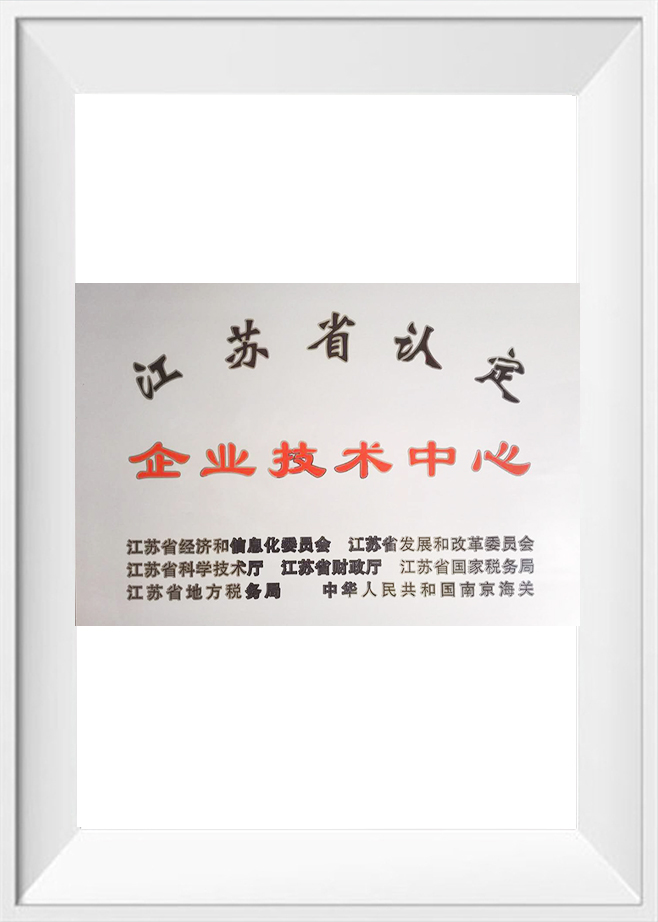
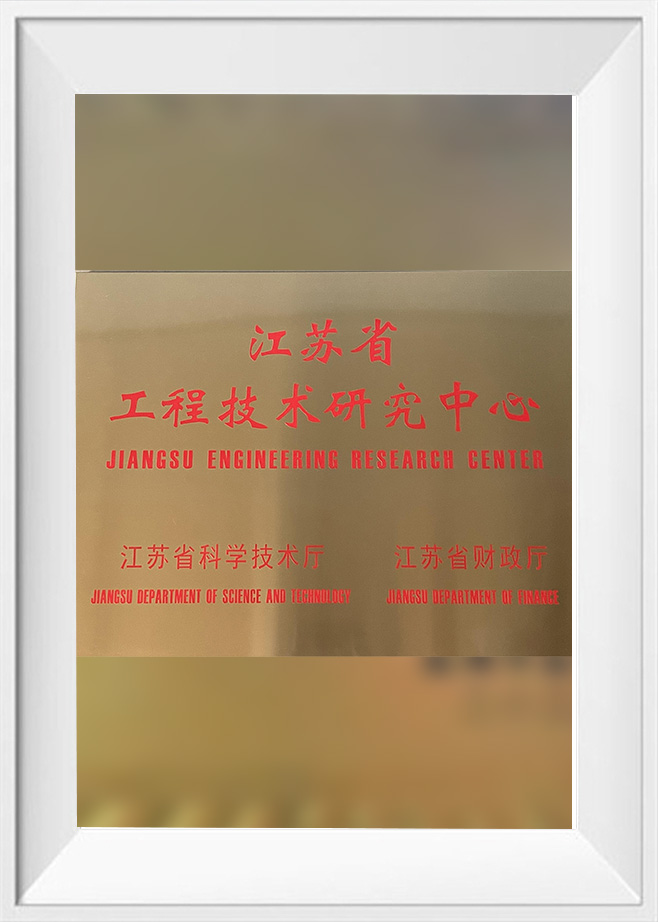
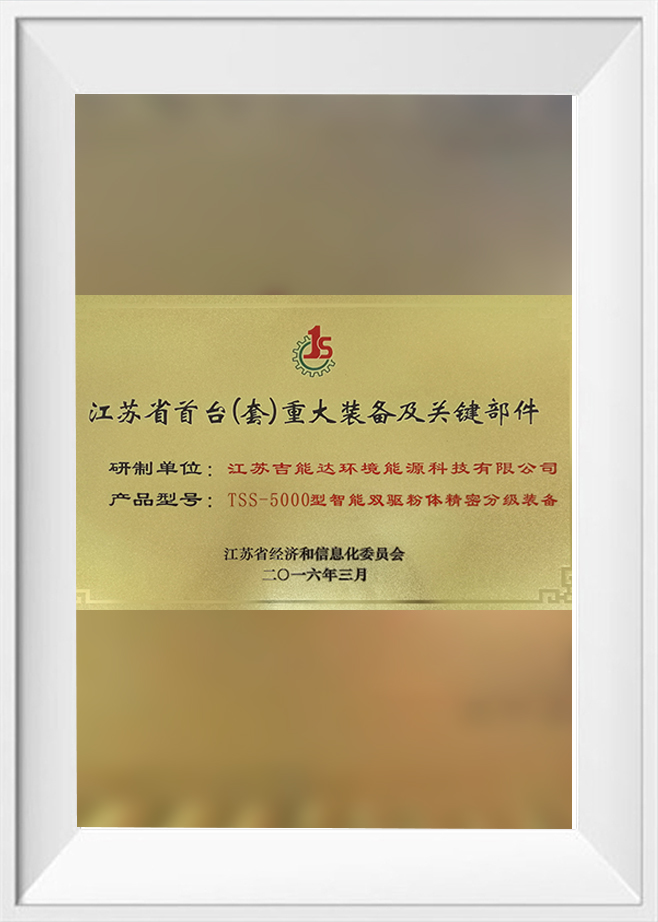
Jiangsu JND Environmental & Energy Technology Co., Ltd., founded in 2002 and based in the Yancheng National High-Tech Industrial Development Zone, is a national high-tech enterprise focused on energy-saving and environmental protection technology R&D, equipment manufacturing and engineering contracting. Through long-term cooperation with universities including Southeast University and Tongji University, the company holds a leading position in the field of grinding and powder-separating technology, an area directly tied to how well classification equipment performs in real production conditions.
How Powder Separators and Air Classifier Mills Work
The Separation Principle
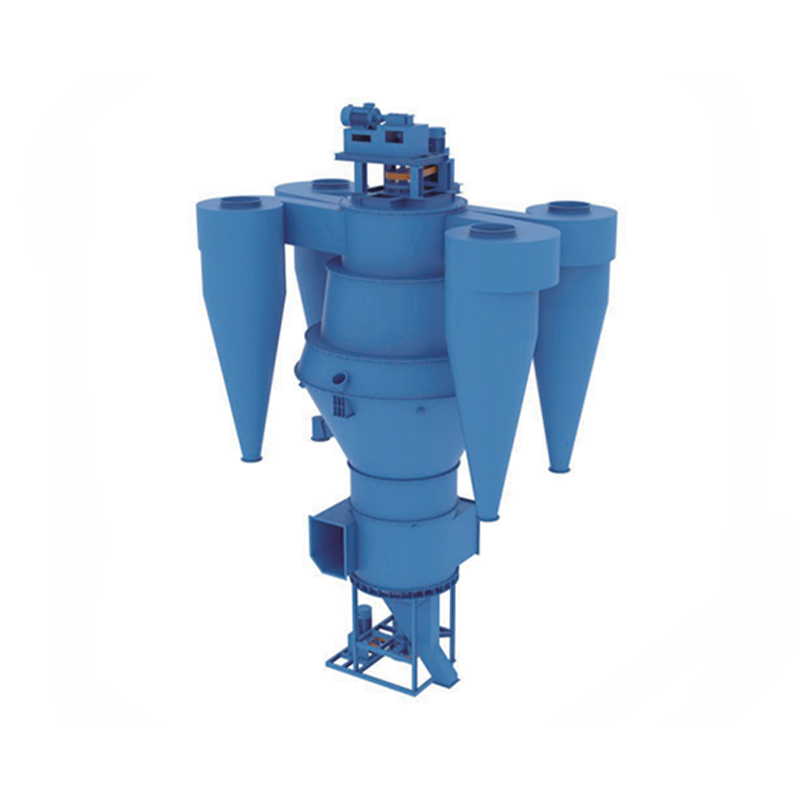
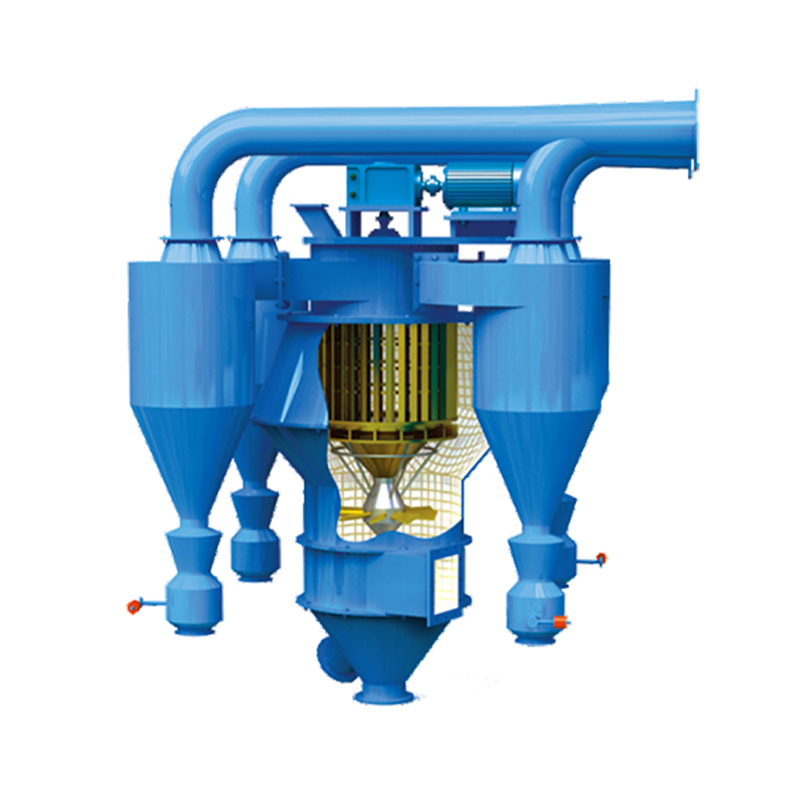
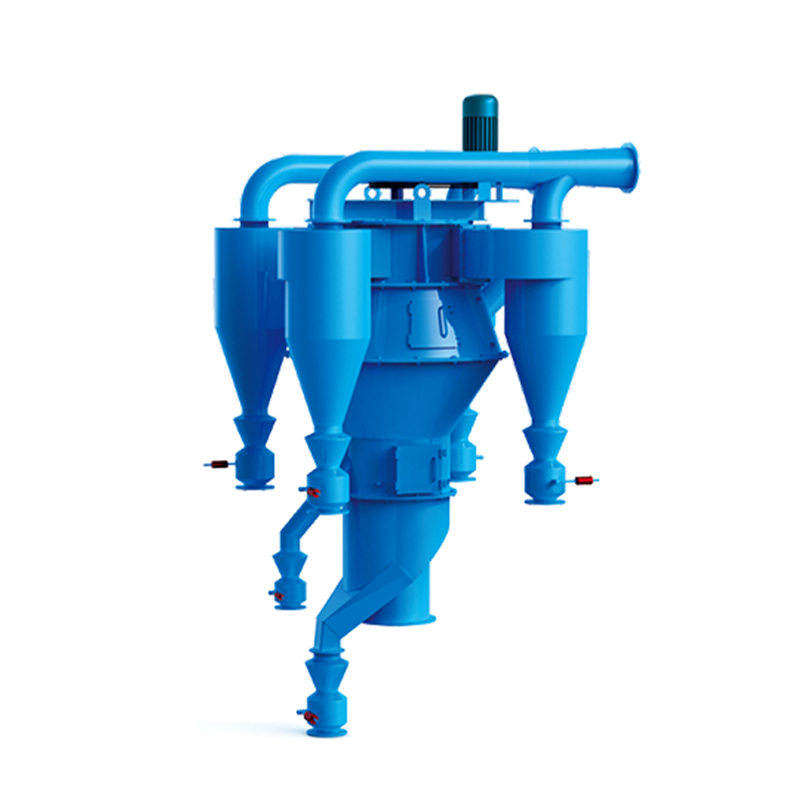
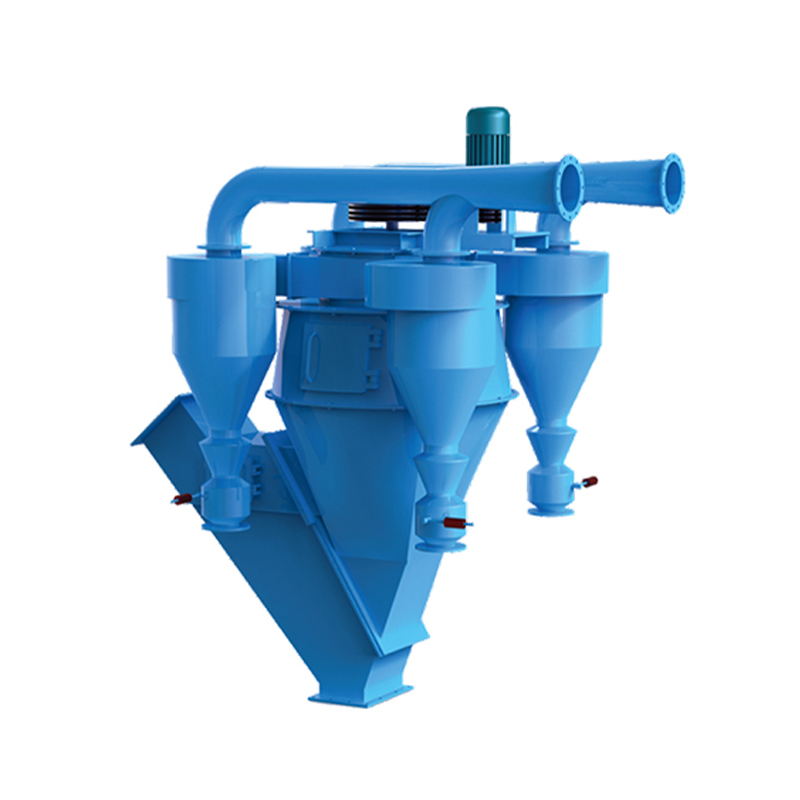
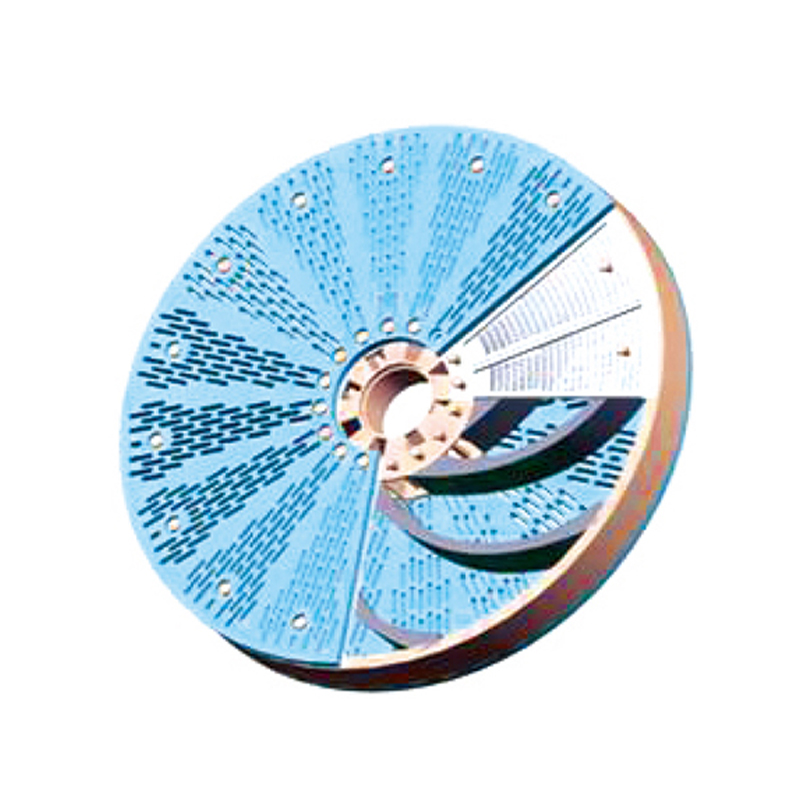
A powder separator uses a rotating cage or turbine inside a classification chamber. As airflow carries ground material through the chamber, centrifugal force pushes coarser particles outward while fine particles follow the air stream toward the outlet. Adjusting the rotor speed changes the cut point, allowing operators to fine-tune fineness without changing the grinding equipment upstream.
The Role of the Air Classifier Mill
An Air Classifier Mill combines grinding and classification in a single closed-loop unit. Material is ground by impact or attrition, then immediately passed through an internal classifier before leaving the mill. This integration shortens the process path, reduces material handling between stages, and keeps particle size distribution tight even when feed material varies in hardness or moisture.
Advantages of Modern Powder Separators
Choosing well-designed Powder Separators brings measurable operating benefits. The table below summarizes the practical difference between a basic mechanical separator and a modern rotor-driven unit.
Comparison of basic and modern rotor-driven powder separators
| Feature |
Basic Mechanical Separator |
Modern Rotor-Driven Separator |
| Cut Point Adjustment |
Fixed, requires mechanical changes |
Adjustable via rotor speed control |
| Particle Size Consistency |
Wider distribution range |
Narrow, repeatable distribution |
| Energy Use per Ton |
Higher due to over-grinding |
Lower through precise cut-point control |
| Maintenance Access |
Limited inspection points |
Modular design for easier servicing |
By minimizing over-grinding and returning only truly oversized particles for reprocessing, a modern separator lets the whole line run closer to its optimal energy point rather than compensating for imprecise classification with extra grinding time.
Selecting Classification Equipment for Your Process
- Match the separator's cut-point range to the fineness required by your end product.
- Consider whether a standalone powder separator or an integrated Air Classifier Mill better fits your available floor space.
- Check how easily wear parts inside the classification chamber can be inspected and replaced.
- Review how the equipment performs across varying feed moisture and hardness, not just under ideal test conditions.
Frequently Asked Questions
Q1: What is the main difference between Powder Classification Equipment and a simple sieve?
A sieve separates particles by physical size through a mesh, while classification equipment uses airflow and centrifugal force, allowing much finer and more precise separation without a physical screen that wears out.
Q2: Can an Air Classifier Mill replace a separate grinding mill and separator?
Yes, in many applications. Because grinding and classification happen within one closed loop, it can reduce the equipment footprint and simplify material handling compared with two separate machines.
Q3: How often does a powder separator need maintenance?
This depends on feed material abrasiveness and operating hours, but rotor blades and bearings should be inspected on a regular schedule to prevent drift in the cut point over time.
Q4: Does adjusting fineness affect energy consumption?
Yes. Finer cut points generally require more classification passes and airflow, so selecting the coarsest fineness that still meets product requirements helps control energy use.
Looking Beyond the Machine: Classification as Part of a Larger System
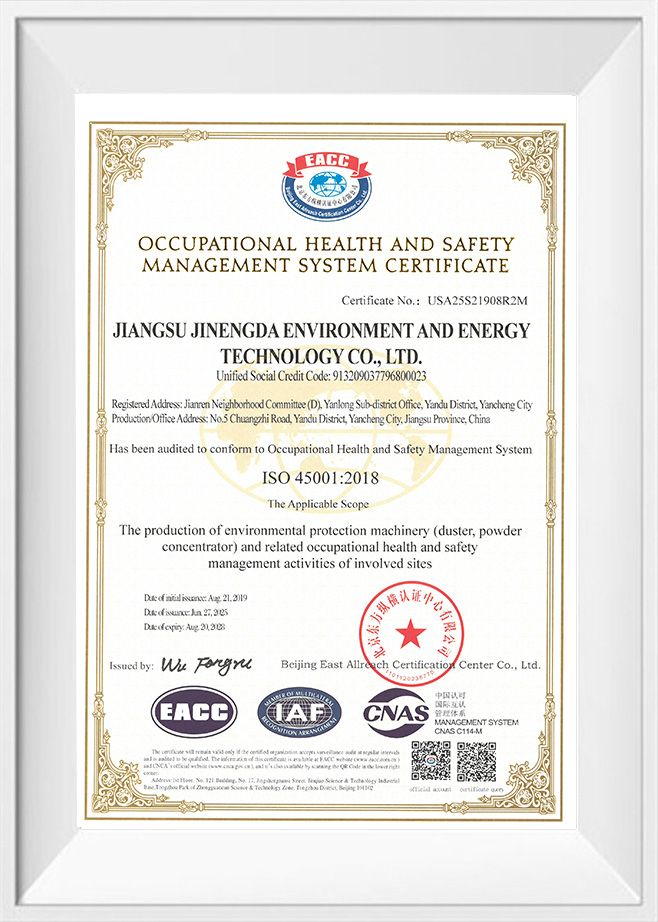
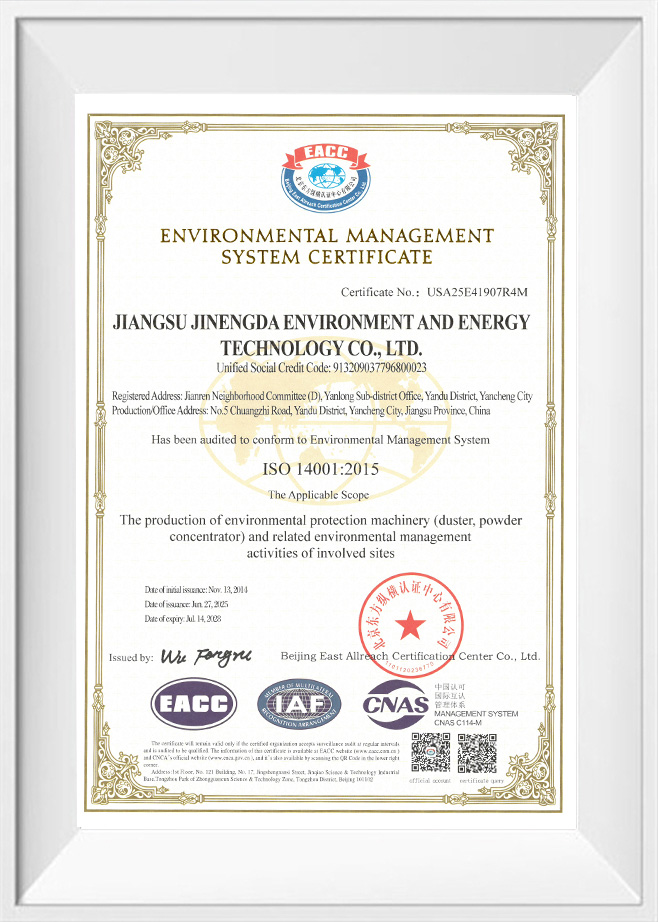
Classification equipment does not operate in isolation; it is one link in a chain that includes feeding, grinding, dust capture and material transport. Treating it as part of an integrated system, rather than an isolated purchase, tends to produce better long-term results. This is reflected in how JND approaches its own product development: the company states that it is committed to practicing the concept of environmental protection and creating ecological value in all its business activities, continuously optimizing its environmental management system rather than settling for minimum compliance. Applied to classification equipment, this systems-level thinking means Powder Classification Equipment, Powder Separators, and Air Classifier Mill designs are refined together with grinding and dust-control equipment, rather than developed as disconnected components.


 English
 中文简体
 русский
 Español
 عربى



 Email:ycjnd@163.com
 Telephone:+86-13770001111
 Phone:+86-515-88582588



